How to Transplant Common tarweed?
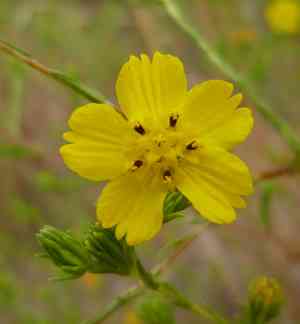
The ideal season for transplanting common tarweed is the revitalizing phase spanning from early to late spring, capitalizing on peak growth opportunities. Choose locations that receive ample sunlight and possess adequate humidity. A friendly tip: careful manipulation ensures common tarweed's prosperous establishment.
Essential Preparations Before Relocating Common Tarweed
Optimal Period for Moving Common Tarweed?
The best time to move common tarweed is from the start of spring until just before summer. This timeframe offers young common tarweed plants the finest beginning, as the mild weather and moderate soil temperatures promote root development without the intense summer heat. Transplanting during this phase enables common tarweed to maximize root growth, which is crucial for nutrient and water uptake throughout their lifespan. Additionally, increasing daylight hours stimulate vigorous above-ground development. Ensuring a gentle adjustment to the outdoor setting during this prime season will lay the groundwork for a flourishing common tarweed display.
Recommended Spacing Between Common Tarweed Plants?
Let's start by giving your common tarweed ample room to flourish! Position your transplanted common tarweed 12-18 inches (30-45 cm) apart. This ensures each plant receives sufficient nutrients and grows beautifully without excessive competition from its neighbors.
Ideal Soil Mixture for Common Tarweed Transplanting?
Your common tarweed will thrive in well-draining soil enriched with organic material. Before transplanting, incorporate a balanced, slow-release fertilizer to give your plants an excellent start. Remember, healthy soil leads to happy plants!
Where to Replant Your Common Tarweed?
Select a sunny location for your common tarweed, as they love to soak up full sunlight. This will guarantee they receive at least 6-8 hours of sunlight daily, fostering strong and vibrant growth throughout the seasons.
Tools Required Before Transplanting Common Tarweed?
Gardening Gloves
To safeguard your hands while handling soil and plants.
Hand Trowel
For digging small holes and precise root-area movements.
Watering Can or Hose
To hydrate the common tarweed before and after relocation.
Shovel or Spade
For excavating the plant with minimal root disturbance.
Garden Fork
To loosen the soil around the plant prior to extraction.
Pruning Shears
For trimming any dead or excess plant parts before transplanting.
Wheelbarrow or Planting Tray
For moving the common tarweed from its original spot to the new location.
Organic Mulch
To help maintain soil moisture and regulate temperature post-transplant.
How to Extract Common Tarweed from the Ground?
How to Extract Common Tarweed from the Ground?
From Ground: First, thoroughly water the common tarweed to moisten the soil, making it easier to manage. Use a garden fork to gently loosen the soil surrounding the plant, then carefully insert the shovel or spade to create a wide margin around the root ball. Gently pry the plant up, keeping the root ball as intact as possible.From Pot: Water the common tarweed in its container to facilitate easier root removal. Tilt the pot sideways and gently tap the bottom to loosen the root ball. Hold the plant at its base and slowly pull it out, supporting the root ball with your other hand.From Seedling Tray: Water the tray to prevent root damage during extraction. Use a hand trowel or your fingers to carefully lift each common tarweed from its compartment, ensuring the root and surrounding soil remain intact.
Detailed Steps for Transplanting Common Tarweed
Preparation
Ensure the new planting site has been prepared in advance. Adequately water the common tarweed before beginning the transplant to minimize shock.
Dig Hole
At the new location, dig a hole that is twice as wide and equally as deep as the common tarweed's root ball.
Root Pruning
Inspect the roots and trim any that are damaged or excessively long, which will encourage new growth.
Placement
Position the common tarweed in the center of the hole, spreading its roots outwards. Ensure the plant's base is level with the surrounding soil.
Backfilling Soil
Gradually fill the hole with soil, gently firming it down to eliminate air pockets and secure the plant.
Watering
Thoroughly water the common tarweed to settle the soil and hydrate the roots. Water slowly and deeply to promote downward root growth.
Applying Mulch
Apply a layer of organic mulch around the common tarweed, keeping a small distance from the stem to prevent rot.
Post-Transplant Care for Common Tarweed
Monitoring for Stress
Observe your common tarweed daily for signs of transplant shock, such as wilting or discolored leaves. Reduce stress by keeping the plant well-watered and protected.
Consistent Watering Schedule
Maintain even moisture for your common tarweed, especially during the initial weeks. Let the soil guide your watering frequency, keeping it consistently moist to the touch, but not waterlogged.
Pest Protection
Watch for any indications of pests or diseases and address them promptly with suitable measures. Remove any weakened or dead foliage to avoid attracting issues.
Staking if Necessary
If your common tarweed appears unable to support itself, provide external support with a small stake, being careful not to harm the root system during installation.
Resolving Common Issues with Common Tarweed Transplantation.
When is the best time to transplant common tarweed?
The optimal period for transplanting common tarweed is between early and late spring, ensuring peak growth.
Why is my common tarweed wilting after transplanting?
Wilting can be due to transplant shock. Ensure gentle handling, adequate watering, and avoid immediate full sun exposure after transplant.
What spacing should I use for common tarweed when transplanting?
For robust growth, space common tarweed approximately 12-18 inches (30-46 cm) apart. This allows for expansion and air circulation.
Can I transplant common tarweed on a hot day?
Transplant common tarweed during the cooler parts of the day to minimize stress. Overcast days or evenings are ideal conditions.
How deep should the hole be for common tarweed?
Dig a hole as deep as the root ball and twice its width. This encourages roots to spread easily.
What soil is best for transplanting common tarweed?
Utilize well-draining soil rich in organic matter to provide common tarweed with a nourishing environment for vigorous growth.
Should I water common tarweed immediately after transplanting?
Yes, thoroughly water common tarweed to settle the soil, reduce air pockets, and promote root contact with the soil.
How can I tell if common tarweed needs more water post-transplant?
If the soil feels dry an inch (2.5 cm) deep, it's time to water. Observe the foliage for signs of wilting.
What should I do if the leaves of common tarweed turn yellow?
Yellow leaves might indicate overwatering. Allow the soil to dry out more between waterings and ensure proper drainage.
Can I fertilize common tarweed after transplanting?
Wait a few weeks before fertilizing to avoid overwhelming the common tarweed. Let it establish itself first for optimal results.



