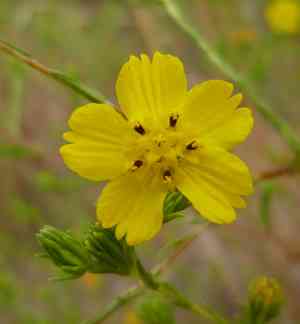
Common tarweed (Deinandra fasciculata)
Also known as: Clustered Tarweed
Common tarweed (*Deinandra fasciculata*) is a plant native to western North America, especially California. As a member of the daisy family (Asteraceae), it is known for its strong, tar-like scent, which serves as a defense mechanism against herbivores.
In This Article
Attributes of Common tarweed
Lifespan
Annual
Plant Type
Herb
Plant Height
1 m
Spread
60 cm
Leaf Color
Green
Flower Size
8 mm to 1.8 cm
Flower Color
Yellow
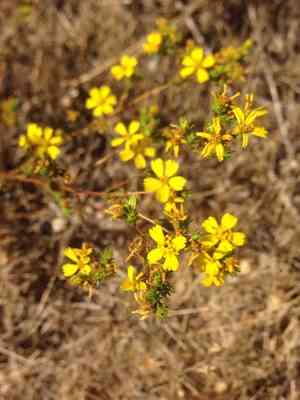
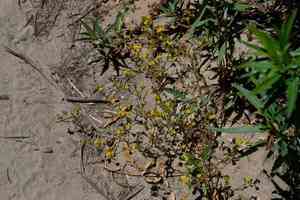
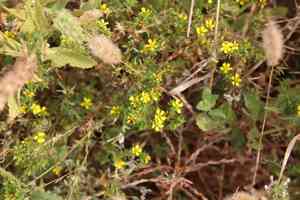
Images of Common tarweed
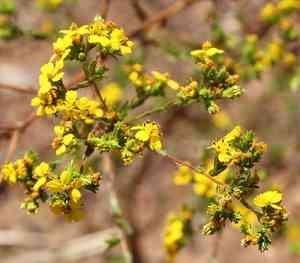
Quickly Identify Common tarweed
1
Deinandra fasciculata can be identified by its sticky glandular hairs covering the stems and leaves, yellow daisy-like flowers arranged in dense clusters, and its strong tar-like odor.
Scientific Classification of Common tarweed
Phylum
Vascular plants
Class
Dicotyledons
Order
Asterales
Family
Daisy
Genus
Otay tarplant
Species
Common tarweed
Planting and Growing of Common tarweed
Care Difficulty
Easy
Watering Schedule
Every 3 days
Sunlight Requirements
Full sun
Sunshine Duration
4-8 hours
Ideal Temperature
65-80℉
Soil Type
Potting Mix, Peat Mix
Soil pH
6.5-7.5
Fertilizer Type
Balanced
Pruning Season
Spring, Summer
Pruning Area
Branches, Leaves
Pruning Frequency
2 times a year
Repotting Season
Spring
Pot Type
Plastic, Ceramic
 How to Water Common tarweed?
Deinandra fasciculata requires moderate watering. Each watering session involves providing about 500 ml of water, ensuring the soil is evenly moist but not waterlogged. The plant prefers a watering approach where the top inch of soil is allowed to dry out slightly before the next watering session. This ensures a balance, preventing both drought stress and root rot.
What are the symptoms of an underwatered Common tarweed?
›
What should I do if my Common tarweed is not getting enough water?
›
What are the symptoms of an overwatered Common tarweed?
›
How to save an overwatered Common tarweed?
›
 What Are the Sunlight Requirements for Common tarweed?
Deinandra fasciculata thrives best in full sun to partial sun, ideally acquiring between 6 to 10 hours of sunlight daily. Proper lighting ensures robust growth, fuller foliage, and prolific flowering, enhancing its ornamental appeal.
More About Sunlight Requirements Techniques→
How much light does Deinandra fasciculata need?
›
How to achieve ideal light conditions for Deinandra fasciculata?
›
What are the benefits of the ideal light for Deinandra fasciculata?
›
 What Is the Ideal Temperature Range for Common tarweed?
Deinandra fasciculata thrives best in temperatures between 65°F and 80°F. This range ensures optimal growth and flowering as it simulates the plant's native Mediterranean climate. Consistent temperatures within this range promote healthy photosynthesis and nutrient uptake.
 What Soil is Best for Common tarweed?
Deinandra fasciculata thrives in well-drained soil, which helps prevent root rot by allowing excess water to flow away. This ensures that the roots breathe properly, promoting healthier plant growth. A nutrient-rich soil is vital for Deinandra fasciculata as it provides essential minerals that support vigorous growth and vibrant flowering. Soil amendments like compost can boost its nutrient profile, benefiting its overall health. Soil that maintains good aeration and has a light texture is crucial for this plant. It enables robust root development and prevents compaction, thereby increasing the plant's ability to absorb water and nutrients efficiently.
 How to Fertilize Common tarweed?
Deinandra fasciculata benefits from a balanced fertilizer. For liquid fertilizers, mix at half strength to avoid over-fertilization. For slow-release fertilizers, follow the package instructions, ensuring not to exceed the recommended amount for the plant size. This ensures a steady supply of nutrients without overwhelming the plant.
 How to Prune Common tarweed?
Look for branches that are crossing, damaged, or weak first. Remove these to improve the plant's structure and airflow. Focus on thinning and shaping for a compact appearance, making cuts just above buds facing outward. Prune in the morning or late afternoon when the plant is not under heat stress. Avoid the hottest part of the day as this can cause extra stress to plants, potentially hindering their recovery from pruning.
More About Pruning Techniques→
 How to Propagate Common tarweed plant?
1
Scatter the seeds thinly on the surface of the potting mix, and gently press them into the soil. Do not cover them with too much soil as they require light for germination. Ensure the soil stays moist.
2
Maintain a consistent temperature of around 65-75°F (18-24°C) for ideal germination. Using a heat mat can be beneficial in maintaining this temperature, especially in cooler climates.
3
Once the seedlings have developed a few true leaves, transplant them into larger pots or prepare for outdoor planting. Handle them gently to avoid damage to the roots and stem.
 How to Repot Common tarweed plant?
1
You'll know it's time to repot Deinandra fasciculata when you notice the roots growing out of the drainage holes, which indicates that the plant has outgrown its current container. Another signal could be slowed growth despite optimal conditions, pointing towards a root-bound situation where nutrients and space are limited.
2
Opt for a pot that is only slightly larger than the current one to provide enough room for growth without excessive soil that might retain too much moisture. Ensure the pot has adequate drainage holes to prevent waterlogging, which is critical for maintaining the plant's health by avoiding root rot.
3
Deinandra fasciculata thrives in a well-draining soil mix. Choose a sandy soil enhanced with perlite or pumice to promote aeration and prevent compacting. This type of soil mimics the plant's natural habitat, providing the ideal conditions for healthy root development and growth.



