The Common tarweed Plant Advantage: Maximizing Home and Office Appeal and Wellness
1
Common tarweed draws in helpful insects such as bees and butterflies.
2
It withstands dry conditions well, making it perfect for low-water landscaping.
3
This plant enhances ground health and stops soil loss.
Why Common Tarweed is a Great Addition to Your Garden
Attracts Beneficial Insects
Common tarweed is known for drawing in a variety of helpful insects, including bees and butterflies. These pollinators are vital for the health of many plants, assisting in the reproduction of flowers and crops. By planting Common tarweed, you can support the local insect population, which in turn fosters a more vibrant and productive garden.
Drought-Resistant Plant
Common tarweed is exceptionally resistant to drought, making it an ideal choice for xeriscaping or water-efficient gardening. This plant needs minimal water once established, which helps conserve water resources. Its deep root system allows it to access moisture well below the soil surface, ensuring resilience during extended dry periods.
Enhances Soil Quality
Common tarweed contributes significantly to improving the quality of soil. Its roots help prevent soil erosion by stabilizing the ground, and its presence can boost the organic matter content of the soil. As the plant breaks down, it returns valuable nutrients to the earth, promoting a healthier growing environment for other plants.
How Does Common Tarweed Support Local Wildlife?
Provides Shelter for Small Animals
The structure of Common tarweed offers excellent cover and habitat for small animals like birds and insects. Its dense foliage provides a safe haven and nesting material for various species, thus supporting biodiversity. By incorporating Common tarweed into your garden, you create a sanctuary for wildlife, encouraging ecological balance.
Serves as a Food Source
Common tarweed acts as a crucial food source for numerous animals. Its seeds and leaves are consumed by birds, insects, and other wildlife. This plant plays a vital role in the food web, sustaining a range of organisms and contributing to the overall health and stability of local ecosystems.
What Are the Landscape Uses and Benefits of Common Tarweed?
Boosts Aesthetic Appeal
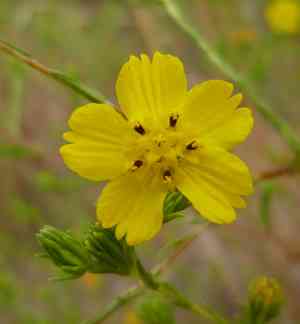
Beyond its ecological advantages, Common tarweed enhances the visual appeal of landscapes with its vibrant flowers and lush growth. Its charming appearance can be a striking addition to any garden, providing color and texture throughout the growing season. This makes Common tarweed an excellent choice for ornamental planting schemes.
Easy Upkeep
Common tarweed is relatively low-maintenance, which makes it an attractive option for gardeners of all experience levels. It requires minimal trimming and can thrive in poor soil conditions, reducing the need for fertilizers or soil amendments. Its resilience and low upkeep requirements make it a great option for sustainable gardening practices.
How to Integrate Common Tarweed into Your Garden?
Planting Advice
When planting Common tarweed, choose a location with full sun exposure and well-drained soil. While it can tolerate various soil types, ensuring good drainage will optimize its growth. Plant seeds or seedlings in the spring or fall for best results, and water them regularly until they are established.
Companion Planting
Common tarweed pairs well with other drought-tolerant plants such as lavender, sage, and other native species. This combination not only enhances the visual appeal of your garden but also creates a robust ecosystem that supports a variety of pollinators and beneficial insects.
Why Choose Common Tarweed for Sustainable Gardening?
Environmental Impact
Incorporating Common tarweed into your garden supports sustainable gardening practices by reducing water usage, minimizing soil erosion, and enhancing biodiversity. Its ability to thrive in challenging conditions and contribute to soil health makes it a valuable addition to any environmentally conscious garden.
Promoting Native Plant Species
Using native plants like Common tarweed in your garden promotes local flora and fauna, helping to preserve the natural ecosystem. Native plants are better adapted to the local climate and require fewer resources to maintain, making them an excellent choice for sustainable and eco-friendly gardening.



