How to Transplant Rattlesnake weed?
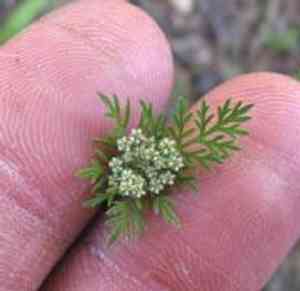
Optimal transplantation occurs from late spring's warmth through early summer, facilitating robust establishment for rattlesnake weed. Choose a location offering full to partial sun exposure and sufficient room. Careful handling is crucial to protect fragile root systems.
What Preparations are Needed Before Transplanting Rattlesnake Weed?
What is the Ideal Time for Transplanting Rattlesnake Weed?
The best period for moving rattlesnake weed is during the transition from spring's peak bloom to the start of early summer. Performing this task then allows rattlesnake weed to establish its delicate root system, benefiting from mild temperatures and the season's nurturing conditions. This timing is vital for rattlesnake weed to adjust to its new spot with consistent weather, ensuring a strong future growth cycle. Transplanting at this time leads to a more robust, resilient rattlesnake weed, setting the stage for a flourishing plant with potential abundant beauty. Remember this straightforward advice: relocating rattlesnake weed now guarantees a smooth adjustment, promoting healthier development and an elegant presence in your garden.
How Much Space Should You Leave Between Rattlesnake Weed Plants?
For your rattlesnake weed, aim for a separation of approximately 4-6 inches (10-15 cm). This will provide your plants sufficient room to develop and prevent them from competing for nutrients and sunlight.
What is the Best Soil Mix for Rattlesnake Weed Transplanting?
The perfect soil for your rattlesnake weed should drain well and be rich in organic material. Prepare the soil by mixing in compost or a balanced, slow-release fertilizer. This will offer a nourishing base for your plants to flourish.
Where Should You Relocate Your Rattlesnake Weed?
Select a sunny location for your rattlesnake weed where they can receive at least 6 to 8 hours of direct sunlight daily. If your garden has partial shade, don't worry; rattlesnake weed can also adapt to these conditions, but full sun is most favorable.
What Equipments Should You Prepare Before Transplantation Rattlesnake Weed?
Gardening Gloves
To safeguard your hands while handling soil and plants.
Shovel or Spade
For excavating the plant from its current spot and for digging the new hole.
Watering Can
To hydrate the plant before and after relocation, ensuring a smooth transition.
Garden Trowel
For precise movements and adjustments of soil around the root ball.
Pruning Shears
To trim any damaged or excessively long roots.
Garden Hose or Bucket
To supply adequate water to the newly transplanted plant.
Mulch
To help retain soil moisture and regulate soil temperature around the new plant.
Wheelbarrow or Plant Dolly
To transport the plant if it's large or if moving multiple plants.
Soil Knife or Weeder
To assist in removing weeds around the planting site.
How Do You Remove Rattlesnake Weed from the Soil?
How Do You Remove Rattlesnake Weed from the Soil?
From Ground: First, water the rattlesnake weed to moisten the soil, making extraction easier. Carefully dig a wide circle around the plant with a shovel or spade. Be cautious not to harm the root system and gently lift the plant from the ground.From Pot: If the rattlesnake weed is in a pot, water the soil first. Turn the pot on its side and tap or gently press on its edges to loosen the soil. Grasp the base of the plant and carefully slide it out, ensuring the root ball remains intact.From Seedling Tray: Begin by watering the rattlesnake weed seedlings to lessen transplant shock. Use a garden trowel or soil knife to carefully separate individual seedlings, making sure each one has a secure root ball attached before lifting out of the tray.
Step-by-Step Guide for Transplanting Rattlesnake Weed
Preparation
Ensure all necessary tools and equipment are ready. Water the rattlesnake weed before starting the transplant to minimize shock.
Digging Out
Use a shovel or spade to slowly dig around the rattlesnake weed, creating a wide area to protect the root ball. Lift the plant carefully from the soil with minimal root disturbance.
Preparing the New Site
Dig a hole in the new location that is twice as wide as the root ball and equally deep. Loosen surrounding soil to help root expansion.
Planting
Place the rattlesnake weed in the center of the new hole. Gently spread the roots outward and ensure the plant is at the same soil depth as it was before.
Backfilling
Carefully replace the soil around the roots, pressing down lightly to remove air pockets, and water the plant to settle the soil.
Mulching
Apply a layer of mulch around the base of the rattlesnake weed, avoiding direct contact with the stem to prevent rot while retaining moisture.
How Do You Care For Rattlesnake Weed After Transplanting?
Watering
Immediately after transplanting, thoroughly water the rattlesnake weed to help settle the soil and provide hydration. Continue to water regularly as the roots establish.
Protecting
Use a support stake if the rattlesnake weed is tall or top-heavy, to prevent it from bending or breaking.
Monitoring
Keep an eye on the rattlesnake weed for signs of transplant shock, such as wilting or leaf loss, and address them promptly.
Adjusting
Shield the rattlesnake weed from harsh conditions, such as strong winds or intense heat, in the initial weeks after transplanting.
Troubleshooting Common Issues with Rattlesnake Weed Transplantation.
Why is my rattlesnake weed wilting after transplant?
Wilting after transplant can result from shock or insufficient watering. Ensure soil stays moist but not waterlogged.
What is the best time to transplant rattlesnake weed?
Transplant rattlesnake weed when temperatures are cooler, ideally from late spring to early summer, to encourage root establishment before the heat.
How deeply should I plant rattlesnake weed seedlings?
Plant rattlesnake weed at the same depth they were in their previous pot to prevent stem rot.
How much space should I leave between rattlesnake weed plants?
Space rattlesnake weed seedlings about 4-6 inches (10-15 cm) apart to allow ample room for growth and air circulation.
What type of light does rattlesnake weed need after transplanting?
Provide rattlesnake weed with a location that receives full to partial sunlight to thrive after transplanting.
Is it normal for rattlesnake weed leaves to turn yellow after transplanting?
Yellow leaves might indicate stress or overwatering. Ensure your rattlesnake weed isn't sitting in water and gets enough light.
How do I protect rattlesnake weed from transplant shock?
Acclimate rattlesnake weed by gradually introducing it to outdoor conditions over a week before transplanting and water well afterward.
Should I fertilize rattlesnake weed right after transplanting?
Wait to fertilize rattlesnake weed until it's established, about 2-4 weeks post-transplant, to avoid burning delicate roots.
How often should I water rattlesnake weed post-transplant?
Water rattlesnake weed regularly to keep the soil consistently moist, especially during the first few weeks post-transplant.
Why isn't rattlesnake weed growing after transplantation?
Slow growth after transplanting can be normal; give rattlesnake weed time to acclimate. Ensure proper care conditions are met.



