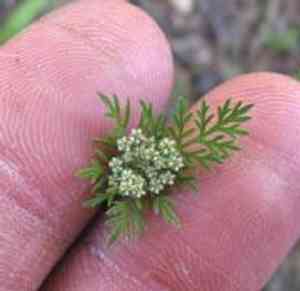
Rattlesnake weed (Daucus pusillus)
Also known as: American carrot
Rattlesnake weed, a perennial herb found in the U.S., is likely native to Florida. Often seen as invasive, it is classified as a noxious weed in North Carolina. The name "rattlesnake weed" comes from its segmented pale underground stem, which resembles a rattlesnake’s rattle.
In This Article
Attributes of Rattlesnake weed
Lifespan
Annual, Biennial
Plant Type
Herb
Plant Height
46 cm to 91 cm
Spread
30 cm to 60 cm
Leaf Color
Green
Flower Size
2.5 cm
Flower Color
White Green
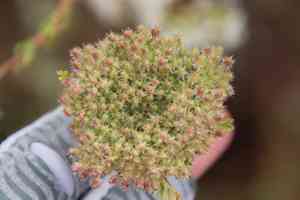
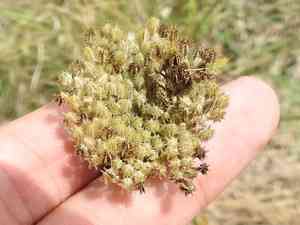
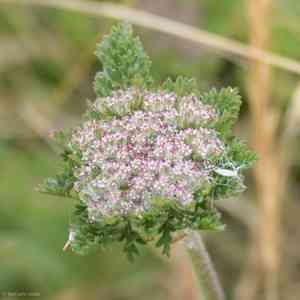
Images of Rattlesnake weed
Quickly Identify Rattlesnake weed
1
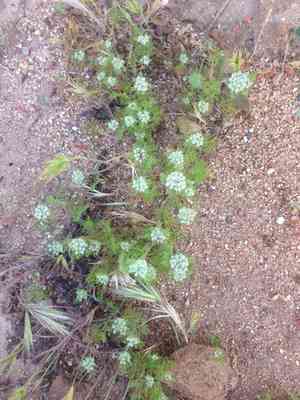
Daucus pusillus can be identified by its finely dissected, fern-like leaves and small, white, umbrella-shaped flower clusters (umbels). The flowers often have a reddish or purple central floret, and the plant has a hairy stem. The root is thin and not usually edible.
Scientific Classification of Rattlesnake weed
Phylum
Vascular plants
Class
Dicotyledons
Order
Apiales
Family
Umbellifers
Genus
Daucus
Species
Rattlesnake weed
Planting and Growing of Rattlesnake weed
Care Difficulty
Easy
Watering Schedule
Every 2 days
Sunlight Requirements
Full sun
Sunshine Duration
6-12 hours
Ideal Temperature
60-75℉
Soil Type
Potting Mix, Peat Mix
Soil pH
6.5-7.5
Fertilizer Type
Balanced
Pruning Season
Spring, Summer
Pruning Area
Branches, Leaves
Pruning Frequency
2 times a year
Repotting Season
Spring
Pot Type
Plastic, Ceramic
 How to Water Rattlesnake weed?
Daucus pusillus, commonly known as American wild carrot, requires a moderate amount of water. Each watering session should suffice with about 250 milliliters. The soil should feel evenly moist but not waterlogged; aim for a damp consistency similar to a wrung-out sponge. Water thoroughly, ensuring the water reaches the root zone, but avoid letting the plant sit in excess water. This helps to maintain the proper moisture balance while preventing rot.
What are the symptoms of an underwatered Rattlesnake weed?
›
What should I do if my Rattlesnake weed is not getting enough water?
›
What are the symptoms of an overwatered Rattlesnake weed?
›
How to save an overwatered Rattlesnake weed?
›
 What Are the Sunlight Requirements for Rattlesnake weed?
For Daucus pusillus, the ideal light range is between full sun to partial sun. This range ensures adequate photosynthetic activity, resulting in healthy growth and vibrant blooms while minimizing stress.
More About Sunlight Requirements Techniques→
How much sunlight does Daucus pusillus need?
›
What are some solutions to achieve ideal sunlight?
›
What are the benefits of ideal lighting conditions?
›
 What Is the Ideal Temperature Range for Rattlesnake weed?
The ideal temperature range for Daucus pusillus, commonly known as American Wild Carrot, lies between 60°F and 75°F. This ensures optimal growth and sustains the physiological processes required for its development. Temperatures within this range provide the right balance of warmth and humidity, fostering robust photosynthetic activity.
 What Soil is Best for Rattlesnake weed?
Daucus pusillus thrives in well-drained soil that allows excess water to escape easily. This preference helps prevent root rot, ensuring the plant's root system remains healthy and promotes robust growth. This plant benefits from soils rich in organic matter, as it provides necessary nutrients for its development. Rich soil supports healthy foliage and flower production, enhancing the plant's overall vitality. Daucus pusillus prefers soil that retains some moisture but is not overly wet. Maintaining moderate moisture levels supports constant nutrient uptake, which is vital for growth and flowering.
 How to Fertilize Rattlesnake weed?
For Daucus pusillus, a moderate amount of fertilizer is ideal. Use a balanced liquid fertilizer, diluted to half strength, applying no more than 20 ml per plant during each session to avoid nutrient overload.
 How to Prune Rattlesnake weed?
Begin by inspecting the plant for any dead or diseased stems and leaves. Carefully remove these using a clean pair of pruning shears. Cut just above a healthy node to promote new growth. After removing unhealthy parts, focus on shaping the plant. Trim excessively tall or sprawling branches to encourage a more bushy and compact shape. This ensures better air circulation and sunlight exposure.
More About Pruning Techniques→
 How to Propagate Rattlesnake weed plant?
1
Fill the seed starting tray with your prepared potting mix. Make sure to lightly firm it down to remove air pockets and create a level surface where seeds can be evenly distributed.
2
Scatter the Daucus pusillus seeds evenly across the surface of the potting mix. It's important not to bury them too deep; a light sprinkling of soil over them is sufficient as they require some light for germination.
3
After sowing the seeds, gently water them using a fine spray to avoid displacing them. Cover the tray with a transparent lid or plastic wrap to maintain humidity and warmth until germination occurs.
 How to Repot Rattlesnake weed plant?
1
Daucus pusillus should be repotted when you notice its roots crowding at the pot's base or when the plant has outgrown its current container and is showing reduced growth or wilting. These signs indicate the perfect timing for repotting.
2
Choose a pot with ample drainage holes to prevent waterlogging, which can lead to root rot. The pot should be slightly larger than the current one, allowing room for growth while maintaining stability for the plant.
3
Select well-draining sandy soil to mimic its natural habitat and prevent root rot. This type of soil encourages healthy root growth and offers sufficient drainage, enhancing the plant’s overall vitality.
Learn More About Rattlesnake weed Diseases
Anthracnose
Bacterial Leaf Spot
Bacterial Soft Rot
Bacterial Wilt
Chemical Injury
Cyst Nematode
Damping-off
Downy Mildew
Drought Stress
Fusarium Wilt
Gray Mold
Leaf Spot
Mosaic
Nutrient Deficiency
Nutrient Toxicity
Powdery Mildew
Root Rot
Root-knot Nematode
Sooty Mold
Spider Mites
Temperature Stress
Thrips Damage
White Mold



