How to Prune Rattlesnake weed?
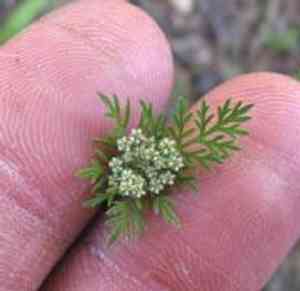
This yearly herb is recognized for its fine leaves and deep root structure. Rattlesnake weed flourishes with very little trimming, mainly for shaping or managing its expansion. Perform light pruning in spring to foster a more compact habit. Remove faded blossoms in summer and autumn to deter self-propagation and encourage ongoing flowering. Always employ sanitized, keen implements to lessen strain and avert illness spread. Trimming also facilitates improved air circulation, lowering the chance of fungal ailments. Prune thoughtfully to preserve the plant's inherent shape.
What Are the Benefits of Pruning Rattlesnake Weed?
What Are the Benefits of Pruning Rattlesnake Weed?
Regular trimming of rattlesnake weed encourages more robust development, ensuring its vitality. It also aids in maintaining its desired shape, preventing excessive growth and preserving its visual appeal.
What Is the Best Time for Pruning Rattlesnake Weed?
What Is the Best Time for Pruning Rattlesnake Weed?
Trimming rattlesnake weed in late Spring is optimal as it coincides with its post-winter recovery when active growth begins, allowing rattlesnake weed to mend from cuts and redirect energy to new growth. Early Fall trimming is also advantageous, following the peak growing season; it helps prepare rattlesnake weed for dormancy and prevents fresh cuts from being vulnerable during harsh winter conditions. Avoid pruning in late Fall as it can stimulate new growth that won't have time to harden before frost.
What Tools Do I Need to Prune Rattlesnake Weed?
Bypass hand pruners
Rattlesnake weed often has relatively slender stems that can be easily severed with sharp bypass pruners. These tools create clean cuts that help prevent harm to the plant's tissues.
Gardening scissors or snips
For more precise control when thinning or shaping the foliage of rattlesnake weed, gardening scissors or snips are perfect. They allow accuracy in removing unwanted stems without disturbing adjacent plant parts.
Thinning shears
If rattlesnake weed is grown in a dense cluster, thinning shears can assist in removing selected stems to reduce congestion, thereby improving air circulation and lowering the risk of disease.
How to Prune Rattlesnake Weed
Sanitize tools
Before trimming rattlesnake weed, sterilize pruning implements with a solution of one part bleach to nine parts water to prevent the spread of diseases.
Identify withered leaves
Examine rattlesnake weed thoroughly to locate all shriveled leaves that may be brown, dry, or discolored, indicating they are dead or dying.
Cut withered leaves
Using sharp, sanitized scissors or secateurs, carefully snip off the withered leaves at their base where they meet the stem or the healthy part of the leaf, taking care not to damage new growth.
Dispose withered leaves
Remove and discard the withered leaves from the area around rattlesnake weed to prevent potential pest infestations or diseases. Do not compost diseased material.
Clean up
After trimming rattlesnake weed, clean the tools again with the bleach solution and wash hands to ensure no pathogens are transferred to other plants.
Common Pruning Mistakes with Rattlesnake Weed
Over-pruning
Removing too much foliage from rattlesnake weed can weaken the plant and make it more susceptible to pests and illnesses.
Improper Cuts
Making jagged or torn cuts on the rattlesnake weed can lead to poor wound healing and expose the plant to disease.
Pruning Without Disinfecting Tools
Failing to disinfect tools before trimming rattlesnake weed can spread diseases from one plant to another.
Pruning Healthy Growth
Cutting away healthy growth instead of just dead or diseased stems can limit the plant's potential for robust development.
Common Pruning Tips for Rattlesnake Weed
Selective Pruning
Focus on removing only dead or diseased tissue to prevent stress on rattlesnake weed and encourage revitalization.
Angle Cuts
Make clean, angled cuts just above a leaf node or bud to promote healthy regrowth in rattlesnake weed.
Tool Selection
Use sharp, clean pruning shears or scissors to make precise cuts on rattlesnake weed, minimizing damage to the plant tissue.
Observation Before Pruning
Carefully inspect rattlesnake weed to identify which areas require trimming, helping to maintain its natural shape and avoid excessive pruning.



