How to Transplant Bearded prairie clover?
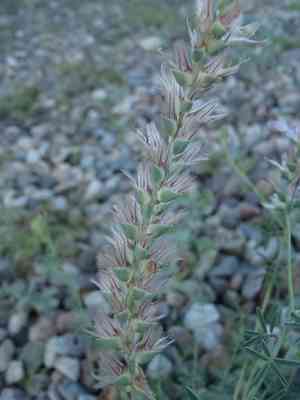
For bearded prairie clover, the most suitable period for relocation is the lively interval spanning from early to late spring. This timeframe guarantees vigorous development and reduced stress. Optimal sites feature porous soil and ample sunlight. Steer clear of saturated ground to safeguard the plant's well-being.
Essential Preparations Before Relocating Bearded Prairie Clover?
Optimal Period for Moving Bearded Prairie Clover?
Relocating bearded prairie clover during early to late spring is perfect due to mild temperatures and ample soil moisture, aiding root establishment. This timing promotes robust growth and resilience, ensuring the plant thrives. Avoiding extreme conditions prevents transplant shock and encourages successful adaptation in its new setting.
Recommended Spacing Between Bearded Prairie Clover Plants?
When moving bearded prairie clover, ensure a spacing of approximately 18-24 inches (46-61 cm) between them. This provides ample room for growth and guarantees good air circulation, vital for healthy development.
Best Soil Blend for Bearded Prairie Clover Relocation?
Prepare soil that drains well for bearded prairie clover. Incorporate compost or a balanced base fertilizer to enrich the soil and enhance its structure. Bearded prairie clover prefers slightly sandy or loamy soil types for optimal development.
Where to Replant Your Bearded Prairie Clover?
Select a sunny location for your bearded prairie clover. This plant flourishes in full sunlight, so aim for an area that receives at least 6-8 hours of direct sun daily.
Equipment Needed Before Relocating Bearded Prairie Clover?
Gardening Gloves
To safeguard your hands while handling soil and the plant.
Shovel or Spade
For excavating the planting hole and lifting the plant from the ground.
Trowel
For more precise digging and extracting the plant from containers or seedling trays.
Watering Can
To hydrate the soil before and after the relocation.
Mulch
To help maintain soil moisture post-transplanting.
Pruner
To trim any damaged roots or stems prior to relocation.
Wheelbarrow
For moving the plant if it is large and difficult to carry by hand.
How to Extract Bearded Prairie Clover from the Ground?
How to Extract Bearded Prairie Clover from the Ground?
From Ground: First, water the bearded prairie clover to moisten the soil. Then, dig a wide trench around the plant using a shovel or spade, ensuring the root ball remains intact. Carefully work the spade beneath the root ball to lift the plant from its original spot.From Pot: Water the bearded prairie clover in its pot to help the soil cohere. Turn the pot on its side, gently tapping the edges to loosen the soil. Carefully slide the plant out, keeping as much soil around the roots as possible.From Seedling Tray: Water the seedlings to facilitate removal. Use a trowel to gently lift the seedlings from the tray, being careful not to harm the roots. Handle by the leaves to avoid crushing the stems.
Detailed Guide for Relocating Bearded Prairie Clover
Site Preparation
Ensure the site is thoroughly prepared before relocation. Clear any weeds or debris, and confirm the location receives adequate sunlight for bearded prairie clover.
Hole Excavation
Dig a hole that is twice as wide and as deep as the root ball of the bearded prairie clover. This allows the roots to spread easily in the new location.
Plant Positioning
Carefully place the bearded prairie clover in the center of the hole, ensuring it sits at the same depth as it was in its original spot.
Backfilling
Fill the hole with soil, gently pressing down to remove air pockets. Avoid over-compacting the soil to allow for root growth.
Watering
Water the bearded prairie clover thoroughly after relocation. This helps settle the soil around the roots and minimizes transplant shock.
Mulching
Apply a layer of mulch around the plant's base to help retain moisture and regulate soil temperature.
Post-Relocation Care for Bearded Prairie Clover?
Watering
Keep the soil around the bearded prairie clover consistently moist, but not waterlogged, for the initial weeks after relocation to aid in strong root establishment.
Monitoring
Regularly inspect your bearded prairie clover for signs of stress, such as wilting or yellowing foliage. Address any issues promptly to ensure successful establishment.
Pruning
Remove any dead or damaged leaves or stems to encourage healthy new growth.
Support
If necessary, provide stakes or other supports to help stabilize larger bearded prairie clover plants against wind or heavy rain.
Addressing Common Issues with Bearded Prairie Clover Relocation.
When is the best time to move bearded prairie clover?
Relocate bearded prairie clover from early spring to late spring, late fall, early winter, or mid-winter.
What is the ideal spacing for bearded prairie clover?
Space bearded prairie clover plants 18-24 inches (45-60 cm) apart for optimal growth.
How should I prepare the soil before moving bearded prairie clover?
Ensure well-drained soil and mix in compost to enrich the planting area.
Can I move bearded prairie clover in the summer?
Avoid summer relocation due to heat stress; early spring, late spring, or winter is ideal.
How deep should I plant bearded prairie clover?
Plant bearded prairie clover at the same depth it was growing in its original container.
How do I handle bearded prairie clover roots during relocation?
Handle roots gently to avoid damaging them; try to keep the root ball intact.
Should I water bearded prairie clover immediately after relocation?
Water bearded prairie clover thoroughly after relocation to help settle the soil and reduce transplant shock.
How can I reduce transplant shock for bearded prairie clover?
Water well, provide temporary shade, and minimize root disturbance as much as possible.
What kind of mulch is best for bearded prairie clover after relocation?
Use organic mulch such as straw, wood chips, or compost to retain moisture and regulate temperature.
How often should I water bearded prairie clover after relocation?
Water regularly, keeping the soil consistently moist but not waterlogged, especially for the first few weeks.



