How to Propagate Bearded prairie clover?
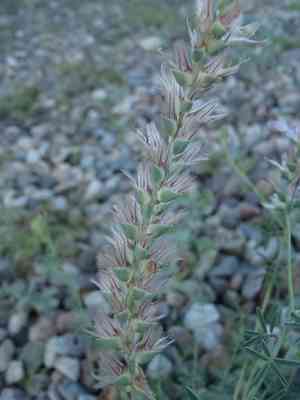
Dalea villosa, a perennial blooming species, is recognized for its vivid groupings of violet blossoms, generally flourishing in soils that drain effectively. For propagation, select robust stem sections, verifying their freedom from ailments. Employing rooting stimulant can boost success rates, and placing them in a rooting substrate aids in establishing new specimens. Maintaining the cuttings in a damp, yet not saturated, state is vital for root formation. Once settled, Dalea villosa thrives with ample sunlight and infrequent irrigation.
Optimal Period for Bearded Prairie Clover Propagation
Propagation Type
Cutting
Propagation Season
Spring,Summer
Tools Required for Bearded Prairie Clover Propagation
Pruning Shears
Utilized for obtaining cuttings from robust parent plants. For bearded prairie clover, ensure the shears are sharp and clean to make precise cuts that minimize damage to the plant tissue.
Rooting Hormone
Assists in the rooting process by encouraging root development in cuttings. For bearded prairie clover, a rooting hormone can increase the success rate of cuttings forming strong root systems.
Sterilized Pots or Trays
Essential for planting the cuttings. Sterilization prevents disease and pests from infecting the vulnerable cuttings of bearded prairie clover.
Well-Draining Potting Mix
Provides the ideal soil conditions for the cuttings to promote root growth and prevent waterlogging, which could harm the cuttings of bearded prairie clover.
Humidity Dome or Plastic Bag
Maintains a high-humidity environment around the cuttings, essential for reducing water loss and stress. Bearded prairie clover cuttings thrive under consistent humidity for initial root establishment.
Spray Bottle
Used for gently misting the cuttings to keep them moist without overwatering. This is crucial for bearded prairie clover as it prevents desiccation while avoiding fungal issues caused by excessive water.
Heating Mat (Optional)
Provides bottom heat, which can accelerate root growth. While not always necessary, a heating mat can be beneficial for bearded prairie clover in cooler environments.
Sharp Knife or Scalpel
Useful for making precise cuts when taking cuttings. A clean, sharp blade is particularly important for bearded prairie clover to reduce the risk of infection and ensure clean cuts for better rooting success.
Method for Propagating Bearded Prairie Clover
Propagation Type
Moderately Difficult
Post-Propagation Care for Bearded Prairie Clover
Post-Propagation Care for Bearded Prairie Clover
After propagation, gradually introduce newly rooted bearded prairie clover plants to outdoor conditions if they were grown indoors. Water regularly, ensuring the soil stays moist but not saturated. Provide full sun exposure, as bearded prairie clover thrives in bright conditions. Fertilize sparingly with a balanced fertilizer during the growing season to support healthy growth. Regularly check for pests and diseases, and prune any damaged or dead parts to encourage vigorous growth.
Common Errors to Avoid When Propagating Bearded Prairie Clover
Overwatering
Excessive watering can lead to root rot and fungal diseases. Bearded prairie clover prefers well-drained soil, and too much moisture can prevent roots from getting the oxygen they need.
Poor Soil Preparation
Using soil that lacks proper drainage or is too rich in organic matter can hinder bearded prairie clover's growth. This plant thrives in less nutrient-dense soils similar to its native prairie habitat.
Incorrect Seed Handling
Failure to properly stratify seeds or plant them at the correct depth can result in low germination rates. Bearded prairie clover's seeds need specific conditions to sprout effectively.
Inadequate Sunlight
Placing bearded prairie clover in shaded areas inhibits its growth, as it requires full sunlight to thrive. Without sufficient light, the plant becomes leggy and weak.
Skipping Seed Scarification
Neglecting to scarify seeds can affect germination rates. Bearded prairie clover has a hard seed coat that benefits from scarification to improve water absorption.
Advice for Propagating Bearded Prairie Clover
Well-Drained Soil
Ensure that the soil is well-draining to prevent water accumulation around the roots. Amend heavy soils with sand or gravel to improve drainage.
Proper Seed Stratification
Stratify seeds by exposing them to cold, moist conditions for several weeks before planting. This mimics natural seasonal changes and improves germination rates.
Seed Scarification
Scarify seeds before planting by lightly sanding them or using a nail file. This helps break the hard seed coat, allowing better water penetration.
Full Sun Exposure
Plant in areas where bearded prairie clover will receive at least 6 to 8 hours of direct sunlight daily, which is essential for healthy growth and flowering.
Consistent Monitoring
Regularly monitor the moisture levels in the soil. Water sparingly and only when the top inch of soil feels dry. This prevents overwatering and related issues.



