How to Transplant Soft prairie clover?
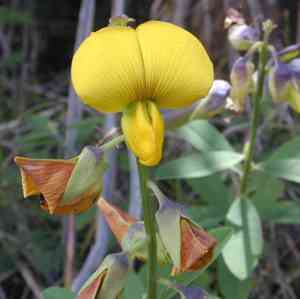
For soft prairie clover, the ideal period for relocation spans from early spring to the commencement of summer, allowing roots to settle prior to warm weather. Select locations bathed in sunlight with soil that drains effectively. A helpful suggestion: introduce soft prairie clover carefully to its new environment to lessen the impact of transplant stress.
What Preparations are Needed Before Transplanting Soft Prairie Clover?
What is the Ideal Time for Transplanting Soft Prairie Clover?
The best period for relocating soft prairie clover is after winter's cold subsides but before summer's intense heat. This timeframe, typically from late March to early June, offers mild conditions conducive to root development without extreme temperatures. Moving soft prairie clover during this season takes advantage of moist soil and cooler days, fostering strong root growth to absorb essential nutrients. Selecting this period ensures soft prairie clover establishes successfully, allowing it to flourish in your garden.
How Much Space Should You Leave Between Soft Prairie Clover Plants?
When moving your soft prairie clover, aim for a distance of 12-18 inches (30-45 cm) between individual plants to allow ample room for growth. This spacing promotes good air circulation and reduces competition for vital nutrients!
What is the Best Soil Mix for Soft Prairie Clover Transplanting?
Your soft prairie clover will thrive in soil that drains well and contains a good amount of organic material. Before moving, enrich the site with a balanced, slow-release fertilizer to give your plants an excellent start. Strive for a pH near neutral, unless your soft prairie clover has specific preferences.
Where Should You Relocate Your Soft Prairie Clover?
Choose a location for your soft prairie clover where it will receive direct sunlight for most of the day. This generally means at least 6-8 hours of full sun. The correct amount of light will help your soft prairie clover grow robust and healthy!
What Equipments Should You Prepare Before Transplantation Soft Prairie Clover?
Gardening Gloves
To safeguard your hands while handling soil and plants.
Shovel or Spade
To excavate around and lift the soft prairie clover plant from the ground.
Hand Trowel
For managing smaller plants or digging precise holes.
Watering Can or Hose
To hydrate the plant before and after relocation.
Pruning Shears
To trim any damaged roots or foliage.
Wheelbarrow
To move the soft prairie clover plant and soil.
Garden Fork
To loosen the soil at the new planting site.
How Do You Remove Soft Prairie Clover from the Soil?
How Do You Remove Soft Prairie Clover from the Soil?
From Ground: First, water the soft prairie clover plant to moisten the soil. Then select a cool or overcast day to minimize transplant shock. Use a shovel or spade to dig a wide trench around the plant, ensuring the root ball remains intact. Carefully work the shovel beneath the root ball to lift the soft prairie clover from its spot.From Pot: Start by watering the soft prairie clover plant to make the soil damp. Turn the pot on its side, grasp the plant by its base, and gently tap the bottom to help it slide out. Use your hands to support the root ball and avoid harsh pulling, which can harm the roots.From Seedling Tray: Water the seedling tray beforehand. Gently press the soil from below the seedling cell to loosen the root ball. If necessary, use a small tool or stick to assist in lifting the plant out without damaging the delicate roots or stems.
Step-by-Step Guide for Transplanting Soft Prairie Clover
Prepare the Plant
Water the soft prairie clover thoroughly before moving it to reduce stress and make the root ball easier to handle.
Remove the Plant
Follow the appropriate removal method based on whether the soft prairie clover is from the ground, a pot, or a seedling tray. Handle the plant gently to prevent root damage.
Prepare the New Site
Loosen the soil at the new location with a garden fork. Dig a hole that is as deep as the root ball and twice its width.
Position the Plant
Place the soft prairie clover in the center of the hole. The top of the root ball should be even with the surrounding soil surface.
Backfill the Hole
Carefully refill the hole with soil, gently pressing down to remove air pockets without compacting the soil too firmly around the roots.
Water After Planting
Water the soft prairie clover generously immediately after transplanting to settle the soil and provide moisture for the roots.
How Do You Care For Soft Prairie Clover After Transplanting?
Monitoring
Observe the soft prairie clover closely during the initial weeks, looking for indications of transplant shock such as wilting or yellowing leaves.
Watering
Continue to provide water to maintain consistent soil moisture, especially on dry days, to ensure the soft prairie clover establishes itself properly.
Mulching
Apply mulch around the base of the soft prairie clover to conserve soil moisture and regulate temperature, being careful not to pile it against the stem or foliage.
Support
If the soft prairie clover is tall or top-heavy, stake it to prevent wind damage until its roots are strong enough to hold it upright independently.
Pruning
Trim any damaged or dead foliage to encourage the growth of new, healthy shoots.
Weeding
Keep the area around soft prairie clover free of weeds to reduce competition for nutrients and water.
Troubleshooting Common Issues with Soft Prairie Clover Transplantation.
Why is my soft prairie clover not thriving after transplanting?
Ensure you transplanted during the ideal window from early to late spring when temperatures are mild. Also, confirm the soft prairie clover receives sufficient sunlight and isn't waterlogged.
How big should the hole be when transplanting soft prairie clover?
Dig a hole twice as wide as the root ball and of similar depth. Proper hole size promotes root expansion and plant stability.
How often should I water soft prairie clover after transplanting?
Water thoroughly after planting, then maintain moderate moisture, especially during dry spells. Over-watering can harm soft prairie clover, so allow the soil surface to dry between waterings.
What spacing is best for soft prairie clover when transplanting?
Space soft prairie clover evenly, about 12-18 inches (30-45 cm) apart. This spacing helps ensure adequate air circulation and sunlight exposure for healthy growth.
Why are the leaves of soft prairie clover yellowing after transplant?
Yellow leaves can indicate overwatering or poor drainage. Check soil moisture; it should be damp but not soggy. Adjust watering practices accordingly.
How deep should I plant soft prairie clover?
Plant soft prairie clover so the top of the root ball is level with the soil line. Planting too deep or too shallow can stress the plant.
Can I fertilize soft prairie clover right after transplanting?
Wait 4-6 weeks before fertilizing to let soft prairie clover establish. Use a balanced, slow-release fertilizer to support healthy growth without overwhelming the plant.
What kind of light does soft prairie clover need after transplanting?
Site soft prairie clover in a location that receives full sunlight to partial shade. Adequate light is crucial for proper development and flowering.
How can I tell if soft prairie clover has transplant shock?
Signs of transplant shock include wilting, leaf drop, or stunted growth. Keep the plant well-watered and give it time to recover.
Is it normal for soft prairie clover to wilt after transplanting?
Some wilting is normal as soft prairie clover adjusts to its new location. Keep the soil consistently moist and provide shade if necessary until the plant is established.



