How to Prune Soft prairie clover?
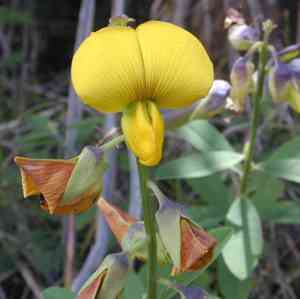
This enduring herb flourishes in bright areas and needs little trimming to preserve its form and stimulate development. Trimming soft prairie clover should be performed in late winter or early spring prior to the emergence of new shoots. Removing faded blossoms in summer can encourage further flowering. Periodic trimming in spring or autumn aids in eliminating lifeless or frail stalks, boosting the plant's vitality and look. These trimming methods not only enhance visual appeal but also foster more vigorous, sturdier growth.
What Are the Benefits of Pruning Soft Prairie Clover?
What Are the Benefits of Pruning Soft Prairie Clover?
Trimming soft prairie clover promotes vigorous development and helps maintain its desired form. By selectively removing plant sections, gardeners can stimulate new growth while shaping the clover to suit their landscape design.
What Is the Best Time for Pruning Soft Prairie Clover?
What Is the Best Time for Pruning Soft Prairie Clover?
Pruning in Late Spring benefits soft prairie clover by eliminating any dead or damaged branches from winter, preparing it for strong growth during its active period. Early Summer pruning is ideal for shaping soft prairie clover, encouraging bushier growth by pinching back new shoots. Pruning in Early Fall is advantageous for removing spent flowers and unproductive growth, ensuring soft prairie clover's energy is conserved for the dormant winter without risking new growth susceptible to cold damage.
What Tools Do I Need to Prune Soft Prairie Clover?
Hand Pruners
Perfect for making clean cuts on soft prairie clover's thinner, more delicate stems, ensuring minimal plant damage. Recommended for stems up to 3/4 inch in diameter.
Pruning Shears
Useful for shaping soft prairie clover and precisely trimming away any unwanted or dead growth. They offer a comfortable grip and controlled cutting action for smaller stems.
Gloves
Crucial for protecting hands from thorns and rough plant material while pruning soft prairie clover. This helps prevent injury and ensures a safe gardening experience.
How to Prune Soft Prairie Clover
Disinfect tools
Before beginning, clean and sanitize your pruning shears to prevent disease spread. Use a diluted bleach solution or rubbing alcohol to thoroughly wipe down the blades. This ensures a clean cut and maintains soft prairie clover's health.
Identify
Examine soft prairie clover to locate withered leaves that require removal. These are typically dry, brown, or yellow and no longer contribute to the plant's growth or appearance.
Cut
Using your disinfected pruning shears, carefully snip the withered leaves at their base where they meet the stem or branch. Be careful not to harm nearby healthy tissue. For soft prairie clover, clean cuts help prevent disease and promote faster healing.
Clean
Once all withered leaves are removed, clear the ground around soft prairie clover to eliminate any potential source of pests or diseases.
Inspect
After pruning, take a moment to check soft prairie clover for any other health issues that might need attention. Addressing these promptly can help maintain soft prairie clover's vigor.
Common Pruning Mistakes with Soft Prairie Clover
Overpruning
Removing too much foliage at once can stress soft prairie clover, as it relies on its leaves for photosynthesis and sustaining its growth.
Improper cut location
Cutting too close to or too far from the bud can hinder healing and cause soft prairie clover to grow in an undesirable direction or become vulnerable to disease.
Using dull or dirty tools
Dull pruning tools can damage stems, making soft prairie clover more susceptible to pests and diseases, while dirty tools can transmit diseases between plants.
Ignoring dead or diseased branches
Neglecting to remove dead or diseased growth can allow problems to spread throughout soft prairie clover, weakening the plant's overall health.
Shaping without knowledge
Attempting to shape soft prairie clover without understanding its natural growth pattern can result in a less appealing appearance and potentially harm the plant's health.
Pruning at random
Random cuts without a clear purpose can lead to disproportionate growth or the removal of buds that would have flowered, negatively impacting soft prairie clover's appearance and vitality.
Common Pruning Tips for Soft Prairie Clover
Sanitize tools
Clean all pruning tools with alcohol or a bleach solution before and after trimming soft prairie clover to prevent disease spread.
Follow natural shape
Prune according to soft prairie clover's natural form to maintain its aesthetic and health. Avoid imposing an unnatural shape unless absolutely necessary for spatial reasons.
Thinning over topping
Thin out crowded areas to improve airflow and light penetration rather than simply shearing off the top portion of soft prairie clover, which can result in stubby growth and reduced flowering.
Prune to outward facing buds
Making cuts just above a bud facing the outside of the plant encourages soft prairie clover to grow outwards, leading to a fuller shape and better air circulation.
Remove dead or diseased wood
Carefully cut away dead or diseased branches to promote soft prairie clover's health and longevity.
Cut at angle
Make pruning cuts at a 45-degree angle about 1/4 inch above buds, which encourages water runoff and minimizes the chances of disease in soft prairie clover.
Assess before cutting
Before making any cuts, evaluate soft prairie clover's overall structure and health, to prioritize which branches need removal for overall plant vitality.



