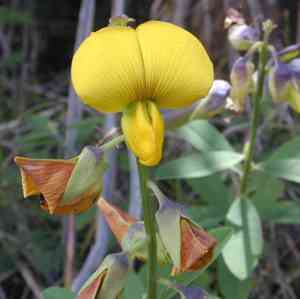
Soft prairie clover (Dalea mollissima)
Also known as: Hairy dalea
Soft prairie clover thrives in prairie landscapes, open woodland areas, and rocky terrains. This plant favors well-drained soils, typically sandy or loamy, and flourishes in locations with ample sunlight. Its name, "soft prairie clover," is derived from the dense, downy fuzz covering its leaves and flowers. The seeds develop in legume pods, each containing a single seed.
In This Article
Attributes of Soft prairie clover
Lifespan
Annual, Perennial
Plant Type
Herb
Plant Height
10 cm to 30 cm
Spread
20-40 cm
Leaf Color
Green
Flower Size
0.5-1 cm
Flower Color
White Pink Purple
Images of Soft prairie clover
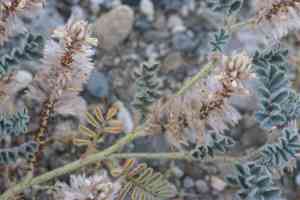
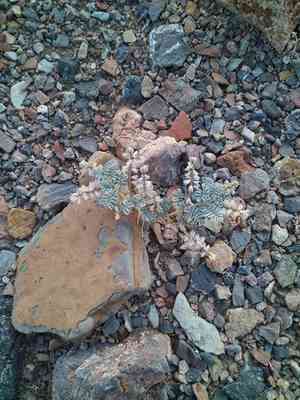
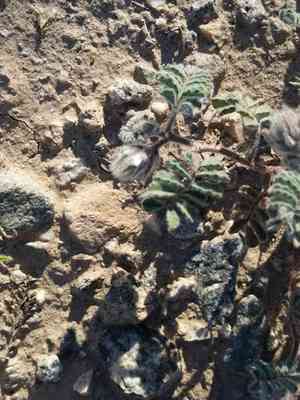
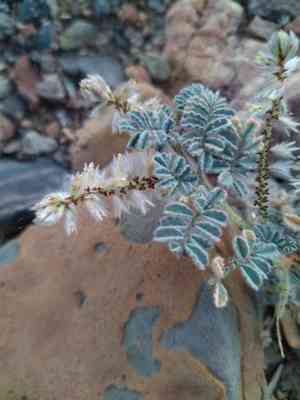
Quickly Identify Soft prairie clover
1
To identify Dalea mollissima, look for soft, silky leaves that are typically pinnately compound with numerous small leaflets. The plant produces small, purplish-blue flowers arranged in dense clusters. It is often found in dry, sandy soils in its native range.
Scientific Classification of Soft prairie clover
Phylum
Vascular plants
Class
Dicotyledons
Order
Fabales
Family
Legume
Genus
Prairie clover
Species
Soft prairie clover
Planting and Growing of Soft prairie clover
Care Difficulty
Easy
Watering Schedule
Every 2 days
Sunlight Requirements
Full sun
Sunshine Duration
4-8 hours
Ideal Temperature
68-77℉
Soil Type
Potting Mix, Peat Mix
Soil pH
6.5-7.5
Fertilizer Type
Balanced
Pruning Season
Spring, Summer
Pruning Area
Branches, Leaves
Pruning Frequency
2 times a year
Repotting Season
Spring
Pot Type
Plastic, Ceramic
 How to Water Soft prairie clover?
Dalea mollissima prefers dry conditions, so care must be taken not to overwater. When watering, ensure the soil is moistened thoroughly but not drenched. The general rule of thumb is to provide about 250 ml of water per session, allowing it to soak into the soil completely before determining if more is needed. Always ensure the excess water can drain out to prevent root rot.
What are the symptoms of an underwatered Soft prairie clover?
›
What should I do if my Soft prairie clover is not getting enough water?
›
What are the symptoms of an overwatered Soft prairie clover?
›
How to save an overwatered Soft prairie clover?
›
 What Are the Sunlight Requirements for Soft prairie clover?
Dalea mollissima's ideal light range includes full sun to partial sun. Optimal light exposure enhances its growth, promotes vibrant foliage, and ensures robust physiological functions, contributing significantly to its health.
What is the recommended light exposure?
›
How can I achieve ideal light conditions?
›
What are the benefits of ideal lighting for this plant?
›
 What Is the Ideal Temperature Range for Soft prairie clover?
The ideal temperature range for growing Dalea mollissima is between 68°F to 77°F. This range provides optimal conditions for photosynthesis and growth, ensuring the plant can flourish. Maintaining a consistent temperature within this range can support healthy foliage and robust flowering.
 What Soil is Best for Soft prairie clover?
Dalea mollissima thrives in well-drained soils that prevent root rot. This ensures the roots breathe easily, accessing necessary oxygen for optimal growth and flowering. This plant requires soil with low nutrient levels, which prevents over-fertilization that can cause excessive foliage growth at the expense of blooms. Preferring warm, sun-soaked soils allows Dalea mollissima to utilize the sun's energy effectively, promoting healthy metabolic processes and vibrant blooms.
 How to Fertilize Soft prairie clover?
For Dalea mollissima, it's important not to over-fertilize. A general recommendation is to use a dilute balanced liquid fertilizer. Apply about a quarter of the strength recommended by the manufacturer monthly during the growing season.
 How to Prune Soft prairie clover?
Begin by identifying the older, less productive stems that are dark and woody in appearance. Use sharp, sterilized pruning shears to cut these stems back to their base, ensuring a clean cut. This removal redirects the plant's energy to producing new, vibrant growth. Carefully shape the plant by trimming overgrown or unruly branches. This should be done in small increments to maintain the plant’s natural shape. Avoid cutting too much at once to prevent stress and shock to the plant, maintaining overall balance.
More About Pruning Techniques→
 How to Propagate Soft prairie clover plant?
1
Begin by preparing seeds through a process of scarification, which involves lightly scoring the seed coat to enhance water absorption. This step is crucial as it helps break dormancy and increase germination rates.
2
Select a healthy parent plant and cut 4-6 inch lengths of new growth using sterilized pruning shears. Strip the leaves from the bottom half to reduce moisture loss and plant them in a growing medium.
3
Once seedlings or cuttings have established roots, they should be gradually acclimated to outdoor conditions. Transplant them to their final location in the garden after acclimatization.
 How to Repot Soft prairie clover plant?
1
Dalea mollissima shows signs of needing repotting when its roots start circling the pot or emerging through drainage holes. Additionally, if the plant's growth appears stunted or its potting mix dries out quickly after watering, it's time to consider repotting. Ideal repotting occurs during warm, active growing seasons to ensure the plant adjusts efficiently.
2
Choose a pot that is 1-2 inches larger in diameter than the current pot to prevent excessive soil retention, which could lead to root rot. The pot should have drainage holes to allow excess water to escape, ensuring optimal moisture levels for this hardy plant and aiding in healthy root growth.
3
Select a well-draining sandy mix to simulate Dalea mollissima's native arid environment. Such soil prevents waterlogging, mitigates the risk of root rot, and provides the plant with sufficient aeration, essential for thriving in its new pot once repotted.
Toxicity
Ingestion
WARNING
The judgment on toxicity and danger is for reference only. We DO NOT GUARANTEE any accuracy of such judgment. Therefore, you SHALL NOT rely on such judgment. It is IMPORTANT TO SEEK PROFESSIONAL ADVICE in advance when necessary.
Learn More About Soft prairie clover Diseases
Anthracnose
Bacterial Leaf Spot
Bacterial Wilt
Crown Gall
Cyst Nematode
Damping-off
Downy Mildew
Drought Stress
Fusarium Wilt
Gray Mold
Leaf Spot
Mosaic
Nutrient Deficiency
Nutrient Toxicity
Powdery Mildew
Root Rot
Root-knot Nematode
Rusts
Sooty Mold
Spider Mites
Temperature Stress
Thrips Damage
White Mold



