How to Transplant Leafy prairie clover?
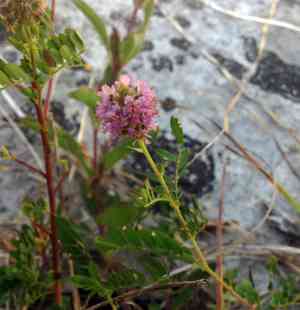
Leafy prairie clover thrives when transplanted in mid-spring or at the onset of autumn. These periods guarantee optimal rooting. Select locations bathed in sunlight with soil that drains effectively. When relocating leafy prairie clover, reduce root disruption to facilitate a smooth adaptation.
Essential Preparations Before Relocating Leafy Prairie Clover
Optimal Period for Relocating Leafy Prairie Clover?
The best time to move leafy prairie clover is during mid to late spring or mid to late autumn. These periods offer mild temperatures and sufficient soil moisture, aiding root development and growth. Transplanting at these times allows the plant to adapt better before extreme weather, ensuring strong growth and survival.
Recommended Spacing Between Leafy Prairie Clover Plants?
Allocate 12-18 inches (30-45 cm) between leafy prairie clover plants to provide ample room for development and flourishing. This also enhances air circulation and lowers the risk of disease.
Ideal Soil Mixture for Leafy Prairie Clover Relocation?
For leafy prairie clover, prepare soil that drains well, incorporating sand, loam, and a small amount of organic material. Add a balanced base fertilizer to support initial growth.
Selecting a New Location for Your Leafy Prairie Clover?
Choose a sunny spot for leafy prairie clover where it can receive at least 6-8 hours of direct sunlight daily. Sufficient sunlight is vital for healthy growth and blooming.
Tools Required Before Relocating Leafy Prairie Clover?
Gardening Gloves
To safeguard your hands while handling soil and the plant.
Shovel or Spade
For excavating around the plant and its new planting site.
Hand Trowel
Useful for minor adjustments and lifting the plant.
Watering Can or Hose
To hydrate the plant before and after relocation.
Wheelbarrow
For moving the plant, especially if it's large or the original spot is far from the new one.
Mulch
To help retain moisture and prevent weeds after relocation.
Stakes and Garden Ties
To provide support for the plant in its new location if needed.
How to Extract Leafy Prairie Clover from the Ground?
How to Extract Leafy Prairie Clover from the Ground?
From Ground: First, moisten the soil around the leafy prairie clover plant. Then, dig a wide trench around the plant using a shovel or spade, ensuring the root ball remains intact. Carefully work the spade beneath the root ball to lift the plant from its original spot.From Pot: Thoroughly water the leafy prairie clover plant. Turn the pot on its side and gently tap the edges to loosen the soil. Carefully slide the plant out, supporting the root ball to prevent damage.From Seedling Tray: Water the leafy prairie clover seedlings in the tray. Use a hand trowel or spoon to lift each seedling by its root ball, taking care not to harm the roots or stem.
Detailed Steps for Relocating Leafy Prairie Clover
Prepare the Planting Site
Dig a hole in the new location that is twice as wide and equally deep as the leafy prairie clover's root ball.
Improve the Soil
If necessary, mix compost or other organic matter into the soil to enhance nutrients and drainage.
Position the Plant
Place the leafy prairie clover into the hole, ensuring it sits at the same depth as it was in its previous location. Fill in around the root ball with soil, gently pressing it down to remove air pockets.
Water Thoroughly
Water the leafy prairie clover plant thoroughly after planting to help settle the soil around the roots.
Apply Mulch
Add a layer of mulch around the base of the leafy prairie clover, keeping it a few inches away from the stem to prevent rot.
Post-Relocation Care for Leafy Prairie Clover?
Watering
Maintain consistent moisture in the soil around the leafy prairie clover, avoiding sogginess, for the initial weeks after relocation to encourage strong root development.
Monitoring
Observe for signs of transplant shock, such as wilting or yellowing leaves. If these occur, ensure the plant receives adequate water and protection from harsh environmental conditions.
Supporting
If the leafy prairie clover plant is tall or leggy, consider using stakes and garden ties to provide support as it establishes itself in the new location.
Feeding
After a few weeks, once the leafy prairie clover plant has begun to grow, you can start feeding it with a balanced fertilizer to promote vigorous growth.
Pruning
Remove any damaged or dead leaves to help the plant direct its energy towards new growth and recovery after relocation.
Addressing Common Issues During Leafy Prairie Clover Relocation.
When is the ideal time to transplant leafy prairie clover?
The optimal times are mid to late spring or mid to late fall for transplanting leafy prairie clover.
How much space should I leave between plants?
Ensure to leave 12-18 inches (30-45 cm) between each leafy prairie clover for healthy growth.
What type of soil is best for leafy prairie clover?
Leafy prairie clover thrives in well-draining soil, preferably sandy or rocky, with a neutral to slightly acidic pH.
How can I prepare the soil before transplanting?
Loosen the soil to a depth of 10 inches (25 cm) and mix in organic matter to improve drainage.
Why is my leafy prairie clover wilting after transplant?
Wilting can be due to transplant shock. Ensure consistent watering and shading until it settles.
How deep should I plant leafy prairie clover?
Plant leafy prairie clover at the same depth it was growing previously to prevent stress and ensure stability.
What kind of watering schedule should I follow post-transplant?
Water leafy prairie clover deeply twice a week for the first few weeks, then reduce frequency as it establishes.
Should I fertilize after transplanting leafy prairie clover?
Avoid fertilizing immediately after transplanting. Wait until leafy prairie clover is established before applying a balanced fertilizer.
How can I minimize transplant shock for leafy prairie clover?
Transplant during cooler parts of the day, water immediately after planting, and provide some shade.
What should I do if pests attack my leafy prairie clover post-transplant?
Inspect regularly, remove visible pests by hand, and consider natural pest control methods if infestation occurs.



