How to Prune Leafy prairie clover?
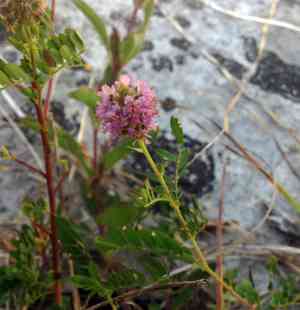
Recognized for its abundant greenery and vivid blossoms, leafy prairie clover benefits from trimming in early spring or late winter to foster robust development. Essential methods involve eliminating deceased or compromised limbs and gently shaping the plant. Performing this maintenance during these seasons promotes prolific flowering and deters ailments. Advantages encompass better air movement and refined plant architecture, resulting in a sturdier and more attractive look. Verify that implements are sanitized to prevent contagions.
What Are the Benefits of Pruning Leafy Prairie Clover?
What Are the Benefits of Pruning Leafy Prairie Clover?
Pruning leafy prairie clover helps maintain its form, encourages robust development, and boosts its resistance to pests and illnesses. Regular trimming fosters healthy growth, resulting in a more attractive and resilient plant overall.
What Is the Best Time for Pruning Leafy Prairie Clover?
What Is the Best Time for Pruning Leafy Prairie Clover?
Trimming or cutting leafy prairie clover in early spring or late winter is considered ideal due to several reasons. Firstly, leafy prairie clover is still dormant during these periods, which reduces stress and potential harm to the plant. Pruning during dormancy allows leafy prairie clover to direct its energy towards strong growth in the upcoming season. Additionally, pruning before new growth begins ensures the plant has a full season to recover and thrive. This timing also helps remove any dead or damaged branches before the active growing period, promoting overall health and vigorous development.
What Tools Do I Need to Prune Leafy Prairie Clover?
Hand Pruners
Perfect for removing dead or damaged stems and minor shaping of leafy prairie clover. Hand pruners provide precision and control, reducing plant damage during pruning.
Bypass Pruners
Effective for making clean cuts on live stems and branches of leafy prairie clover. They ensure a smooth cut that heals quickly, which is crucial for the plant's health.
Pruning Shears
Useful for trimming smaller branches and foliage of leafy prairie clover. Pruning shears help maintain the desired shape and encourage healthy growth.
Pruning Saw
Essential for cutting through thicker, woody stems that hand pruners cannot handle. Useful when dealing with mature leafy prairie clover plants requiring significant pruning.
Lopping Shears
Designed for reaching into the denser parts of leafy prairie clover and cutting thicker stems. These provide the leverage and reach needed for effective pruning without much effort.
How to Prune Leafy Prairie Clover
Identify
Inspect leafy prairie clover closely to pinpoint diseased or withered leaves. Look for discoloration, spots, or other signs of decay.
Prepare
Sanitize your pruning shears or scissors with isopropyl alcohol to prevent the spread of disease.
Trim diseased
Carefully cut away diseased leaves at the stem's base, ensuring the entire affected area is removed to prevent further infection.
Trim withered
Remove any withered leaves by cutting them off where they meet the healthy stem. Make clean, angled cuts to promote healing.
Dispose
Collect all trimmed parts and dispose of them properly, away from the garden area to prevent disease spread.
Common Pruning Mistakes with Leafy Prairie Clover
Over-pruning
Removing too much foliage at once can stress leafy prairie clover and hinder its growth and flowering.
Improper technique
Using dull or dirty pruning tools can cause jagged cuts, making plants susceptible to disease.
Pruning during active growth periods
Trimming leafy prairie clover when it's actively growing can impede its development and reduce bloom quality.
Common Pruning Tips for Leafy Prairie Clover
Use sharp, clean tools
Always ensure your pruning shears are sharp and sterile to make clean cuts, minimizing the risk of disease.
Target dead or damaged branches
Prioritize removing dead or damaged stems to encourage healthy growth and improve air circulation.
Prune minimally
Only trim back a small portion of leafy prairie clover at a time, focusing on maintaining its natural shape and structure.
Cut at the right angle
Make your cuts at a 45-degree angle to facilitate proper healing and reduce water retention on the cuts, which can lead to rot.



