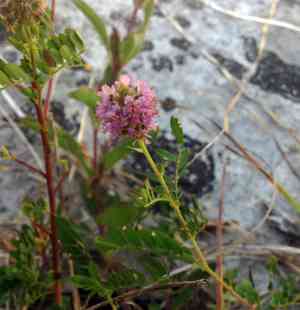
Leafy prairie clover (Dalea foliosa)
Also known as: Leafy Prairie Clover
Leafy prairie clover (Dalea foliosa) is a rare perennial herb known for its slender, upright stems and finely divided compound leaves. It typically thrives in well-drained, calcareous soils such as those found in limestone prairies, glades, and open woodlands. Adapted to dry and rocky environments, this resilient plant features dense clusters of pink to purple flowers that bloom in mid-summer, contrasting beautifully with its green foliage. Its habitat preference includes areas with full sun exposure and ecosystems maintained by periodic fires, which help reduce competition from woody vegetation.
In This Article
Attributes of Leafy prairie clover
Lifespan
Perennial
Plant Type
Herb
Plant Height
30-60 cm
Spread
10-20 cm
Leaf Color
Green
Flower Size
1-2 cm
Flower Color
Purple
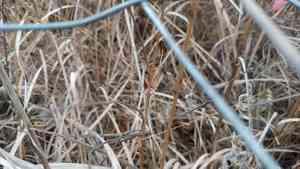
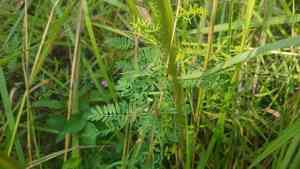
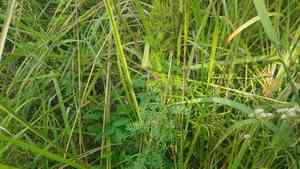
Images of Leafy prairie clover
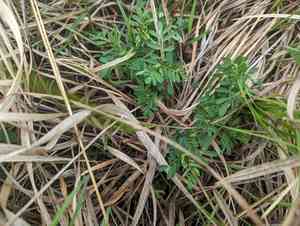
Quickly Identify Leafy prairie clover
1
Dalea foliosa can be identified by its slender stems and narrow leaves that are arranged alternately. It produces dense, cylindrical flower spikes that are typically purple in color. The small, pea-like flowers have five petals and are arranged closely together on the spike.
Scientific Classification of Leafy prairie clover
Phylum
Vascular plants
Class
Dicotyledons
Order
Fabales
Family
Legume
Genus
Prairie clover
Species
Leafy prairie clover
Planting and Growing of Leafy prairie clover
Care Difficulty
Moderate
Watering Schedule
Every 3 days
Sunlight Requirements
Full sun
Sunshine Duration
4-8 hours
Ideal Temperature
60-75℉
Soil Type
Potting Mix, Peat Mix
Soil pH
6.5-7.5
Fertilizer Type
Balanced
Pruning Season
Spring, Summer
Pruning Area
Branches, Leaves
Pruning Frequency
2 times a year
Repotting Season
Spring
Pot Type
Plastic, Ceramic
 How to Water Leafy prairie clover?
Dalea foliosa requires a moderate watering approach. Ensure the soil is consistently moist but not soggy. Aim for around 250 milliliters each watering session to sustain its growth without waterlogging. Always feel the top inch of soil; it should feel moderately moist before the next watering.
What are the symptoms of an underwatered Leafy prairie clover?
›
What should I do if my Leafy prairie clover is not getting enough water?
›
What are the symptoms of an overwatered Leafy prairie clover?
›
How to save an overwatered Leafy prairie clover?
›
 What Are the Sunlight Requirements for Leafy prairie clover?
Partial sun to full sun exposure is ideal for Dalea foliosa, promoting healthy blooms and robust growth. Proper exposure to sunlight enhances its natural coloration and flowering capabilities.
Best Time for Sunlight
›
Sunlight Distribution
›
Sunlight Exposure Solutions
›
 What Is the Ideal Temperature Range for Leafy prairie clover?
The ideal temperature range for Dalea foliosa is between 60°F and 75°F. This range provides the optimal environment for growth and development, ensuring that the plant can perform vital physiological functions efficiently. Within this temperature band, photosynthesis rates are maximized and metabolic processes occur smoothly, contributing to healthy growth and blooming.
 What Soil is Best for Leafy prairie clover?
Dalea foliosa thrives in soils that provide excellent drainage. Well-drained soil prevents waterlogging, which can lead to root rot and other moisture-related diseases, ensuring the plant's roots receive adequate oxygen. The plant benefits from loam soil enriched with organic matter. This provides essential nutrients and improves soil structure, promoting healthy root development and vigorous growth. While it tolerates some drought, Dalea foliosa prefers soil that retains moderate moisture. Consistent moisture levels support continuous nutrient absorption and prevent stress during dry spells.
 How to Fertilize Leafy prairie clover?
For Dalea foliosa, moderation is key when it comes to fertilizing. The plant prefers a light hand, with liquid fertilizers applied at half the recommended strength for most other perennials. This ensures that the nutrients are replenished without overwhelming the plant's natural growth rhythm.
 How to Prune Leafy prairie clover?
Begin by removing any dead, diseased, or damaged stems. This encourages the plant to focus its energy on healthy growth and prevents the spread of disease. Use clean, sharp shears and make cuts about 1/4 inch above a healthy bud. To maintain the plant's shape, trim overly long stems that disrupt the desired structure of the plant. Aim to create an even, attractive shape that allows for good air circulation through the branches. To encourage a bushier growth habit, cut back some of the longest stems by about a third. This pruning technique stimulates the growth of additional side shoots, leading to a fuller appearance.
More About Pruning Techniques→
 How to Propagate Leafy prairie clover plant?
1
Collect ripe seeds from mature Dalea foliosa plants in late autumn just as their color turns dark brown. It is pivotal to gather them promptly to avoid seed loss due to dispersal.
2
Before planting, soak the seeds in water for 24 hours. This step helps in breaking dormancy and enhances the germination rate by softening the seed coat.
3
Sow the seeds evenly on the surface of a sterile potting mix in seedling trays, cover them lightly with soil, and maintain consistent moisture levels. It is crucial not to bury the seeds deeply to ensure they receive enough light for germination.
 How to Repot Leafy prairie clover plant?
1
Repotting Dalea foliosa should be considered when roots are visibly growing out of the drainage holes, the plant shows stunted growth, or the soil dries out faster than usual. Spring and early summer are ideal times as they coincide with the plant's active growth phase, allowing for swift recovery.
2
Select a pot with ample drainage holes to prevent waterlogging, which can lead to root rot. Opt for a pot that is just one size larger than the current one to encourage healthy root development. A ceramic or terracotta pot assists in maintaining soil breathability and moisture balance.
3
Use a well-draining sandy soil mix enriched with organic matter. This mixture supports both nutrient retention and efficient drainage, mimicking Dalea foliosa's natural prairie habitat. The proper soil assists in preventing compaction while promoting robust root health.
Learn More About Leafy prairie clover Diseases
Anthracnose
Bacterial Leaf Spot
Bacterial Wilt
Crown Gall
Cyst Nematode
Damping-off
Downy Mildew
Drought Stress
Fusarium Wilt
Gray Mold
Leaf Curl
Leaf Spot
Mosaic
Nutrient Deficiency
Nutrient Toxicity
Powdery Mildew
Root Rot
Root-knot Nematode
Rusts
Sooty Mold
Spider Mites
Temperature Stress
Thrips Damage
White Mold



