How to Transplant White pine?
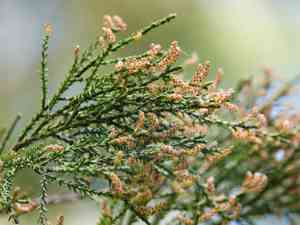
For white pine, the ideal time for root development occurs as the ground warms, generally from the close of late spring into the beginning of summer. Select locations offering filtered sunlight and soil that drains effectively. Attentive care immediately following transplantation significantly enhances the plant's chances of thriving.
What Preparations are Needed Before Transplanting White Pine?
What is the Ideal Time for Transplanting White Pine?
Moving white pine as days warm, in late spring or early summer, provides the perfect window for roots to settle in moderate conditions. Placing white pine in its new spot during this time utilizes the season's gentle weather, fostering strong growth and lessening transplant shock. This period is rich with mild temperatures that shield white pine from extreme stress, ensuring a smooth transition to its new home.
How Much Space Should You Leave Between White Pine Plants?
Begin by allocating ample room for your white pine. Target a spacing of roughly 15-20 feet (4.5-6 meters) between each plant. This gives your white pines the necessary space to develop broadly and robustly without crowding adjacent plants.
What is the Best Soil Mix for White Pine Transplanting?
Your white pine will flourish in soil that drains well and is slightly acidic to neutral. Prior to transplanting, enrich the soil with a balanced, slow-release fertilizer to give your white pine a significant boost in growth. A quality compost blend can also be highly beneficial here!
Where Should You Relocate Your White Pine?
Select a site where your white pine will receive full sun to partial shade. Ideally, this means a location that gets several hours of direct sunlight daily. This will ensure your white pine obtains the energy required for healthy development and growth.
What Equipments Should You Prepare Before Transplantation White Pine?
Shovel or Spade
For excavating the plant and preparing the new planting site.
Gardening Gloves
To safeguard your hands while handling soil and the plant.
Watering Can or Hose
To hydrate the plant before and after its relocation.
Wheelbarrow or Tarp
For moving the plant and maintaining a tidy workspace.
Root Pruning Shears or Knife
To trim any damaged or lifeless roots.
Stake and Ties
To offer support to the white pine if needed.
How Do You Remove White Pine from the Soil?
How Do You Remove White Pine from the Soil?
From Ground: Hydrate the white pine to moisten the soil. Dig a wide trench around the plant using a shovel or spade, keeping the root ball intact. Carefully work the tool beneath the root ball to lift the white pine from its spot.From Pot: Water the white pine to facilitate the root ball's removal. Turn the pot on its side, support the white pine with one hand, and gently pull the pot away with the other. If the plant is stuck, tap the pot's edges to loosen the soil.From Seedling Tray: Moisten the soil in the tray. Use a dibber or a small tool to loosen the soil around the seedling of white pine. Carefully lift the seedling by its leaves, not the stem, to prevent harm.
Step-by-Step Guide for Transplanting White Pine
Preparing the New Site
Choose a new location for the white pine, ensuring it meets its growth requirements. Clear the area of weeds and debris.
Soil Preparation
Dig a hole twice as wide and as deep as the root ball. Loosen the soil at the bottom and sides of the hole to encourage root growth.
Plant Removal
Carefully extract the white pine from its original spot, preserving as much of the root system as possible.
Root Pruning
Inspect the roots and use shears or a knife to trim away any damaged or diseased sections. This will stimulate new growth.
Placing the Plant
Position the white pine in the center of the hole, ensuring it is upright and at the same depth it was previously growing.
Backfilling
Gently refill the hole with soil, firming it down to eliminate air pockets. Water the white pine to help settle the soil around the roots.
Staking
If the white pine is tall or top-heavy, stake it to provide stability until the roots establish firmly in the new location.
How Do You Care For White Pine After Transplanting?
Immediate Watering
Right after transplanting, thoroughly water the white pine to help reduce transplant shock and settle the soil.
Mulching
Apply a layer of mulch around the base of white pine to retain moisture, regulate soil temperature, and lessen weed competition.
Pruning
Trim any damaged or excessively long branches to encourage a more robust structure and reduce stress on the white pine.
Staking Assistance
Monitor the stakes and ties to ensure they are not too tight and adjust as the white pine grows.
Regular Care
Keep an eye on the white pine's health, looking out for signs of distress, and maintain a consistent watering schedule, especially during dry periods.
Troubleshooting Common Issues with White Pine Transplantation.
When is the best time to transplant white pine?
Optimal transplanting occurs from late spring into early summer, when the weather is mild.
How far apart should I space white pine when transplanting?
Ensure a generous space of 15-20 feet (4.5-6 meters) between each white pine to encourage healthy growth.
What soil conditions favor white pine when transplanting?
Aim for well-drained, fertile soil with a slightly acidic to neutral pH for best results.
Why are my transplanted white pine saplings wilting?
Wilting can signal under-watering, over-watering, or transplant shock. Adjust watering and provide shade to reduce stress.
How do I water white pine after transplanting?
Water deeply after transplanting, then maintain regular moderate watering, avoiding waterlogged soil.
Can I transplant white pine in full sun?
While white pine enjoys sunlight, avoid intense midday sun immediately after transplanting to prevent stress.
What should I do if white pine transplant shows signs of browning?
Browning may indicate root damage or drying out. Check soil moisture and root integrity, and water accordingly.
How deep should I dig when transplanting white pine?
The hole should be twice as wide and as deep as the root ball to accommodate growth.
Is it necessary to stake white pine after transplanting?
Staking can provide stability in windy areas but avoid tight ties and remove after one growing season.
How can I protect my white pine after transplanting?
Mulch around the base to conserve moisture and protect from temperature extremes, but keep mulch away from the trunk.



