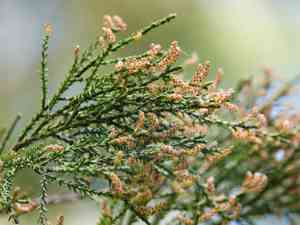
White pine (Dacrycarpus dacrydioides)
Also known as: Kahikatea, White Pine
The kahikatea (Dacrycarpus dacrydioides) is a towering conifer native to New Zealand's lowland forests and wetlands. Renowned for its remarkable height and longevity, it can live for over 600 years and historically reached heights of up to 80 meters prior to extensive logging. Its lightweight, odorless wood made it a popular choice among European settlers for crafting boats and butter export boxes. The Maori also utilized kahikatea wood for making various vessels.
In This Article
Attributes of White pine
Lifespan
Perennial
Plant Type
Tree
Plant Height
55 m
Spread
Up to 10 meters (33 feet)
Leaf Color
Dark green
Flower Size
1 cm
Flower Color
Not applicable
Images of White pine
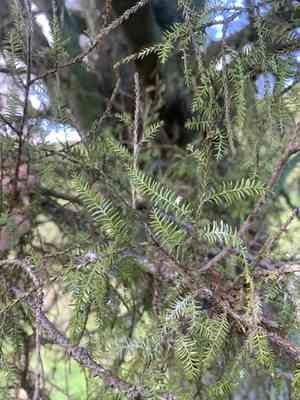
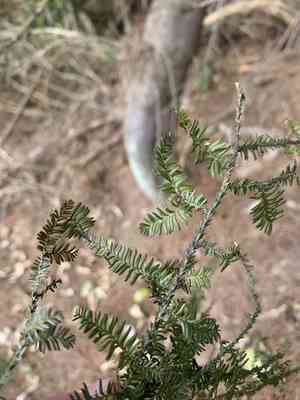
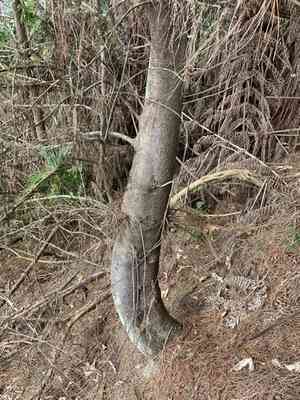
Quickly Identify White pine
1
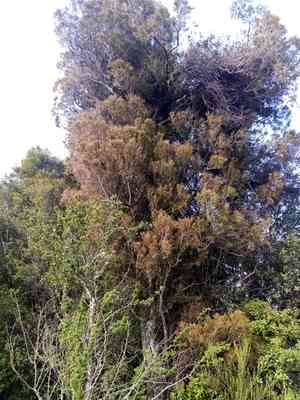
One can identify Dacrycarpus dacrydioides by its tall, straight trunk and its distinctive flaky bark. The leaves are small, scale-like, and arranged in dense spirals. The tree produces fleshy cones that turn red when mature.
Scientific Classification of White pine
Phylum
Vascular plants
Class
Conifers
Order
Pinales
Family
Podocarpus
Genus
Dacrycarpus
Species
White pine
Planting and Growing of White pine
Care Difficulty
Easy
Watering Schedule
Every 2 days
Sunlight Requirements
Partial sun
Sunshine Duration
4-8 hours
Ideal Temperature
60-75℉
Soil Type
Potting Mix
Soil pH
6.5-7.5
Fertilizer Type
Balanced
Pruning Season
Spring, Summer
Pruning Area
Branches, Leaves
Pruning Frequency
2 times a year
Repotting Season
Spring
Pot Type
Plastic, Ceramic
 How to Water White pine?
For Dacrycarpus dacrydioides, the key is to ensure moist soil without waterlogging. Provide approximately 300 milliliters of water each time, allowing water to evenly reach around the roots without leaving the soil soggy. The plant thrives on a balance, so make sure the soil can dry out slightly between waterings.
What are the symptoms of an underwatered White pine?
›
What should I do if my White pine is not getting enough water?
›
What are the symptoms of an overwatered White pine?
›
How to save an overwatered White pine?
›
 What Are the Sunlight Requirements for White pine?
Partial sunlight, receiving about 4 to 6 hours a day, ensures robust cellular functioning and supports photosynthesis for lush growth, helping maintain vigorous health.
What type of sun exposure is ideal?
›
How do I achieve this ideal sun exposure?
›
What are the benefits of achieving ideal lighting?
›
 What Is the Ideal Temperature Range for White pine?
Dacrycarpus dacrydioides thrives best in temperatures ranging from 60°F to 75°F. This range supports optimal enzymatic and cellular processes, ensuring healthy growth and development. Consistent temperatures within this range maximize photosynthesis and nutrient uptake, promoting strong, resilient plants.
 What Soil is Best for White pine?
Dacrycarpus dacrydioides thrives in well-draining soil as it prevents waterlogging, which can lead to root rot. Ensuring adequate drainage enhances plant health and promotes robust growth. The plant benefits from soil that retains moisture while still allowing excess water to drain. This balance is crucial for maintaining consistent moisture levels that support healthy, sustained growth. Enriched soil with organic matter provides essential nutrients for the optimal growth of Dacrycarpus dacrydioides. Nutrient-rich soil supports strong root development and vibrant foliage.
 How to Fertilize White pine?
For Dacrycarpus dacrydioides, the ideal fertilizer amount should be carefully controlled. Typically, a balanced liquid fertilizer diluted to half strength is ideal. Solid fertilizers should be slow-release and used sparingly—generally around 100 grams per application for an average-sized plant. The aim is to provide essential nutrients without overwhelming the plant's root system.
 How to Prune White pine?
When pruning Dacrycarpus dacrydioides, focus on removing any crossing branches and ensure that air circulates freely throughout the canopy. Use clean and sharp pruning shears to make clean cuts just above a leaf node or branch junction to encourage healthy regrowth. Inspect the tree carefully for any branches that appear dead or diseased. Remove these sections promptly, cutting back to healthy wood to prevent the spread of disease and to maintain the tree's appearance and health.
More About Pruning Techniques→
 How to Propagate White pine plant?
1
Begin by selecting healthy, viable seeds. Fill a seed tray with a well-draining medium, lightly moisten it, and sow the seeds evenly. Cover lightly with soil and mist gently to maintain humidity.
2
Select a healthy section of the plant and use pruning shears to cut a stem just below a node. The cutting should be around 10-15 cm long. Remove lower leaves and dip the base in rooting hormone to promote root development.
3
Insert the cut end of the cutting into a pot filled with moist potting mix. Firm the soil around the base of the cutting and cover it with a plastic bag or dome to maintain humidity while roots develop.
 How to Repot White pine plant?
1
Dacrycarpus dacrydioides should be repotted when its roots begin to emerge from the drainage holes or when its growth becomes stunted. These signs indicate that the plant has outgrown its current pot, and repotting will ensure it has ample space to thrive.
2
Select a pot that is 1-2 inches larger in diameter than the current one. Ensure it has several drainage holes to prevent waterlogging, which can lead to root rot. A larger pot provides room for root expansion, fostering healthier plant development.
3
Opt for a well-draining acidic soil mix; this type enhances air circulation around the roots and helps maintain the necessary acidic environment for Dacrycarpus dacrydioides, promoting optimal growth and nutrient uptake.



