How to Prune White pine?
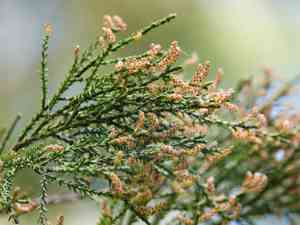
A coniferous tree featuring needle-like foliage and a cascading habit, white pine thrives with trimming during its inactive winter period. Initially, eliminate any deceased or compromised limbs to foster its well-being. Reduce density in congested zones to improve air circulation and light exposure. Restrict pruning to prevent distorting its inherent form. Deliberate cuts stimulate more abundant foliage, boosting its aesthetic appeal. Exercise restraint when pruning, as white pine recuperates gradually from extensive cutting.
Advantages of Trimming White Pine
Advantages of Trimming White Pine
Trimming white pine is crucial for robust development by eliminating dead or diseased limbs, thereby boosting its inherent vitality. Consistent shaping keeps white pine visually appealing and maintains its desired form.
Optimal Time for Trimming White Pine
Optimal Time for Trimming White Pine
The period from late winter to early spring is ideal for trimming white pine as it is typically dormant then. This timing prevents excessive sap loss, which can occur if trimmed in late spring or summer, and reduces the risk of disease entering pruning wounds. Trimming before new growth begins in spring allows white pine to recover quickly and channel its energy into generating new growth when the growing season starts. Additionally, the absence of foliage provides better visibility of the branch structure, enabling more precise cuts.
Tools Required for Trimming White Pine
Hand Pruners (Secateurs)
Perfect for making clean cuts on small branches and twigs, hand pruners are essential for shaping white pine and removing any dead or damaged foliage. Ensure pruners are sharp and clean to prevent disease transmission.
Loppers
For branches too thick for hand pruners, loppers offer leverage and extended reach. They are suitable for cutting thicker branches without harming the surrounding stems of white pine.
Pruning Saw
When branches exceeding 1.5 inches in diameter need removal, a pruning saw is the preferred tool. It allows for precise cuts that can foster the healthy growth of white pine.
Pole Pruner
For the higher branches of white pine that are out of reach, a pole pruner enables gardeners to safely trim without a ladder. This is vital for maintaining the tree's overall health and appearance.
How to Trim White Pine
Sanitizing tools
Before any trimming, sterilize all cutting tools with isopropyl alcohol or a 10% bleach solution to prevent disease spread to white pine.
Identifying sections
Carefully examine white pine to locate dead or diseased branches, which are typically dry, brittle, discolored, or show signs of fungal growth.
Cutting angle
When removing dead or diseased branches, make cuts at a downward angle, a few centimeters from the main trunk or healthy branch, to allow water runoff and promote better healing of white pine.
Clean cuts
Ensure each cut is clean and smooth to minimize damage to white pine and reduce the chance of disease entry.
Disposal
Discard all removed dead or diseased material away from white pine to prevent potential re-infection or spread of pests and diseases.
Common Trimming Errors with White Pine
Excessive trimming
Removing too much foliage at once can stress white pine, potentially leading to poor growth or increased disease susceptibility.
Improperly trimming disease-affected branches
Not sterilizing tools between cuts when dealing with diseased parts can spread pathogens throughout the white pine.
Flush cutting
Cutting branches flush against the trunk removes the branch collar, increasing the risk of decay and pest infestation.
Ignoring deadwood
Failing to remove dead or broken branches can attract pests and diseases, negatively impacting the health of white pine.
Neglecting wound care
Not applying a suitable wound dressing on larger cuts can leave the white pine vulnerable to infections and pests.
General Trimming Advice for White Pine
Sterilize tools
Clean trimming tools before and after working on white pine to prevent the spread of diseases.
Correct cutting technique
Make cuts at a slight angle, above a bud or side branch, without damaging the branch collar. This encourages proper healing and directs new growth.
Assess the tree structure
Regularly inspect white pine's overall structure to identify weak or crossing branches that may require removal for better airflow and light penetration.
Moderate thinning
Thin out dense growth selectively to improve light access and air circulation, but avoid removing more than 25% of the crown at a time.
Care for large cuts
On cuts larger than an inch, apply a non-toxic wound dressing to protect the white pine from infection while allowing the tree to heal naturally.



