How to Transplant Tree lucerne?
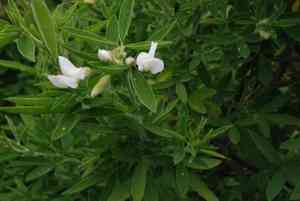
The optimal period for transplanting tree lucerne spans from early spring through late spring, leveraging moderate temperatures to facilitate root development. Select a brightly lit location that offers effective drainage. To ensure successful transplantation, carefully manage the root system and reduce any potential shock.
What Preparations are Needed Before Transplanting Tree Lucerne?
What is the Ideal Time for Transplanting Tree Lucerne?
The perfect time for relocating tree lucerne is from the start of spring until its late bloom. This period allows tree lucerne to establish roots in mild temperatures before summer's heat. Moving tree lucerne during this phase lets it benefit from spring rains, which fuel its growth, ensuring a strong beginning. Gently move tree lucerne to its new spot when the soil is warm and soft, promoting vigorous growth before summer arrives.
How Much Space Should You Leave Between Tree Lucerne Plants?
When preparing to plant your tree lucerne, ensure ample room for them to thrive. Aim for a spacing of approximately 36-48 inches (91-122 cm) between plants. This distance helps your tree lucerne grow without competition, guaranteeing they receive all necessary nutrients and sunlight.
What is the Best Soil Mix for Tree Lucerne Transplanting?
Before settling your tree lucerne into the ground, prepare a suitable bed with well-draining soil. Tree lucerne prefers a nutrient-rich environment, so be sure to blend in some compost or a balanced slow-release fertilizer to give them an excellent start!
Where Should You Relocate Your Tree Lucerne?
Your tree lucerne loves soaking up the sun! Select a location where they will receive full sunlight for optimal growth. This means at least 6-8 hours of direct sun daily. A sunny spot will help your tree lucerne flourish and produce the most abundant growth.
What Equipments Should You Prepare Before Transplantation Tree Lucerne?
Gardening Gloves
To safeguard your hands while handling soil and plants.
Shovel or Spade
For digging holes and carefully lifting the plant from its current spot.
Watering Can or Hose
To hydrate the plant prior to removal and post-transplant.
Wheelbarrow or Tarp
To move the tree lucerne without causing damage.
Pruning Shears
To trim any damaged roots or branches.
Root Stimulator (optional)
To encourage new root growth after relocation.
Mulch
To help retain moisture and stabilize soil temperature around the new planting site.
How Do You Remove Tree Lucerne from the Soil?
How Do You Remove Tree Lucerne from the Soil?
From Ground: First, water the tree lucerne to moisten the soil, reducing root shock. Then, dig a wide trench around the tree lucerne using a shovel or spade, maintaining enough distance to avoid cutting into the root ball. Carefully insert the spade beneath the root ball, and gently lift the tree lucerne from its current location.From Pot: Begin by watering the tree lucerne to make the soil more pliable. Turn the pot on its side and gently tap it to loosen the soil's grip. Hold the base of the tree lucerne and carefully ease the plant out, ensuring the root ball is supported.From Seedling Tray: Water the seedlings lightly. Use a fork or similar tool to carefully lift the tree lucerne from individual cells, keeping as much soil around the roots as possible to prevent damage.
Step-by-Step Guide for Transplanting Tree Lucerne
Prepare the New Site
Dig a hole in the ground that is twice as wide as the tree lucerne's root ball and of the same depth to ensure ample space for root expansion.
Inspect the Root Ball
Before planting, examine the root ball and trim away any broken or damaged roots using pruning shears.
Positioning
Carefully place the tree lucerne in the center of the prepared hole so that the top of the root ball is level with the surrounding soil.
Soil Replacement
Backfill the hole with the excavated soil, gently firming it around the root ball to remove air pockets without compacting the soil excessively.
Watering
Water the tree lucerne generously immediately after transplanting to settle the soil and provide essential moisture for the roots.
Mulching
Apply a layer of mulch around the base of the tree lucerne, leaving some space clear of mulch directly around the stem to prevent rot and aid in moisture retention.
How Do You Care For Tree Lucerne After Transplanting?
Support
If the tree lucerne is tall or top-heavy, stake the plant to provide support and prevent it from leaning or being uprooted by winds or harsh weather. Remove the stake once the tree lucerne establishes itself and can stand unsupported, typically after one growing season or as needed.
Monitoring
Regularly check the tree lucerne for signs of transplant shock, such as wilting leaves or slowed growth. Provide additional care and adjust maintenance practices as necessary during the first few months after transplanting.
Pruning
Perform light pruning if needed, as it helps the tree lucerne focus on establishing new roots rather than supporting excessive foliage. However, avoid heavy pruning during the first year after transplanting.
Watering
Maintain consistent watering during the first growing season to help the tree lucerne establish itself. This may involve watering deeply once or twice a week, depending on climate conditions, but always ensure that the soil has good drainage to prevent waterlogging.
Troubleshooting Common Issues with Tree Lucerne Transplantation.
How do I choose the right time to transplant tree lucerne?
Aim for the ideal period between early to late spring, when frost risk is low and growth is imminent.
What spacing should I use between tree lucerne when transplanting?
Plant tree lucerne individuals approximately 36-48 inches (91-122 cm) apart to ensure sufficient growing space.
How deep should the planting hole be for tree lucerne?
The hole should be just deep enough to accommodate the root ball, typically around 10 inches (25 cm).
Can I transplant tree lucerne on a rainy day?
Overcast, calm days with consistent, light rain can offer optimal conditions, reducing transplant shock.
Why is my transplanted tree lucerne wilting?
Wilting after transplant can indicate shock. Ensure proper watering, and initially avoid direct sunlight to aid recovery.
Should I prune tree lucerne before transplanting?
Light pruning can help reduce transplant shock, but avoid excessive cutting to maintain optimal growth.
How much should I water tree lucerne after transplanting?
Water generously after transplanting to settle the soil, then keep the soil moderately moist for several weeks.
What if the leaves of tree lucerne turned yellow after transplanting?
Yellow leaves may suggest overwatering or nutrient deficiency. Check moisture levels and consider a mild fertilizer.
Is it necessary to add fertilizer when transplanting tree lucerne?
While not immediately essential, a slow-release fertilizer can promote strong root development after planting.
How do I protect tree lucerne from pests after transplanting?
Monitor for pests, remove them manually if possible, and use appropriate, plant-friendly repellents.



