How to Prune Tree lucerne?
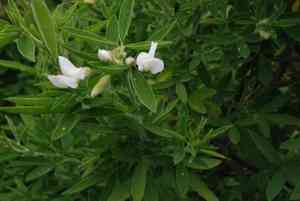
Distinguished by its rapid development and capacity for nitrogen fixation, tagasaste greatly benefits from proper trimming. To preserve its form and encourage more compact development, conduct pruning in late winter prior to the emergence of spring growth. Reduce the prior year's growth to robust buds to stimulate blooming and lush foliage. This well-timed pruning also stops tagasaste from becoming sparse, and when performed annually, it acts as a crucial management technique to boost the plant's well-being and strength.
What Are the Benefits of Pruning Tree Lucerne?
What Are the Benefits of Pruning Tree Lucerne?
Trimming tree lucerne encourages robust development and preserves its desired form. By eliminating dead or overgrown limbs, it can direct energy towards producing new, strong growth. This practice also helps maintain the structural soundness of tree lucerne, ensuring balanced and supported growth.
What Is the Best Time for Pruning Tree Lucerne?
What Is the Best Time for Pruning Tree Lucerne?
Pruning tree lucerne from late winter to early spring is optimal, as this period follows its dormancy but precedes vigorous spring growth. This timing allows the gardener to shape the plant and remove any dead, diseased, or unwanted branches without stressing tree lucerne during active growth. Additionally, pruning before spring growth ensures rapid wound healing and reduces disease risk. Removing branches at this time also prevents the loss of valuable resources needed for the upcoming growing season. Pruning during this window does not interfere with flowering, as tree lucerne typically blooms in late spring to summer. Therefore, gardeners can maintain the plant's health and its ability to flower without compromising its ornamental value.
What Tools Do I Need to Prune Tree Lucerne?
Hand pruners (secateurs)
Perfect for severing small branches and twigs up to approximately 3/4-inch thick. Tree lucerne has young shoots that are easily managed with these.
Loppers
These are ideal for branches too thick for hand pruners, typically up to 1 1/2 to 2 inches in diameter. Tree lucerne can develop thicker branches as it matures, making loppers useful.
Pruning saw
For mature tree lucerne plants with branches exceeding 2 inches in diameter, a pruning saw can cleanly cut through larger limbs.
Pole pruners
Tree lucerne might reach heights difficult to access from the ground. In such cases, pole pruners provide the necessary reach to trim higher branches without a ladder.
How to Prune Tree Lucerne
Clean tools
Before beginning, sanitize pruning tools to prevent disease transmission to tree lucerne. Use a 10% bleach solution or rubbing alcohol to thoroughly clean blades.
Inspect
Examine tree lucerne closely for signs of withered leaves, dead, or diseased branches. Look for branches showing discoloration, dryness, or lack of growth as indicators.
Remove withered
Carefully trim away withered leaves from tree lucerne by cutting at the base of the leaf stem. Use sharp, clean hand pruners for precision, ensuring no damage to healthy tissue.
Cut dead branches
Cut and remove dead branches from tree lucerne. Make your cuts at a 45-degree angle just above a leaf node or the branch's base, depending on its size and location.
Snip diseased
When trimming diseased branches from tree lucerne, cut well below the affected area. Dispose of diseased material immediately and clean your tools after each cut to prevent contamination.
Common Pruning Mistakes with Tree Lucerne
Over-pruning
Removing excessive foliage can stress tree lucerne, potentially leading to weak growth and reduced vitality.
Improper cut placement
Cuts made either too close or too far from the node can impede healthy regrowth or create stubs that can harbor pests and diseases.
Using dull tools
Dull pruning tools can result in jagged cuts, which may harm tree lucerne and increase its susceptibility to diseases.
Neglecting hygiene
Failing to clean tools between uses can spread diseases among tree lucerne or between different plants.
Overlooked natural shape
Ignoring tree lucerne's natural growth habit can lead to a loss of the plant's aesthetic and inherent form.
Common Pruning Tips for Tree Lucerne
Cutting angle
Make clean, angled cuts just above a bud to encourage healthy regrowth without leaving stubs.
Tool selection
Use clean, sharp secateurs or loppers specifically designed for the thickness of tree lucerne's branches to make precise cuts.
Removal of dead material
Regularly remove dead, diseased, or damaged wood to maintain the health and appearance of tree lucerne.
Thin out
Thin out crowded branches to improve air circulation and light penetration, crucial for tree lucerne's well-being and flowering capability.
Shape maintenance
Prune to maintain the natural shape of tree lucerne, ensuring it aligns with growth patterns for aesthetic and structural integrity.



