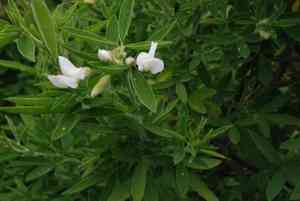
Tree lucerne (Cytisus proliferus)
Also known as: Tagasaste, Tree Lucerne
Tagasaste, also known as Tree Lucerne (Chamaecytisus palmensis), is a small evergreen tree used for fodder in Australia since the late 1800s. It is prized for its high protein levels and is well-liked by grazing animals.
In This Article
Attributes of Tree lucerne
Lifespan
Perennial
Plant Type
Shrub
Plant Height
3 m to 4 m
Spread
4 m
Leaf Color
Green
Flower Size
2.5 cm
Flower Color
White
Images of Tree lucerne
Quickly Identify Tree lucerne
1
Cytisus proliferus can be identified by its green, trifoliate leaves, white-cream flowers, and brown, pod-like fruit. The leaves are hairy and its flowers resemble those of other legumes.
Scientific Classification of Tree lucerne
Phylum
Vascular plants
Class
Dicotyledons
Order
Fabales
Family
Legume
Genus
Brooms
Species
Tree lucerne
Planting and Growing of Tree lucerne
Care Difficulty
Easy
Watering Schedule
Every 2 days
Sunlight Requirements
Full sun
Sunshine Duration
4-8 hours
Ideal Temperature
60-75℉
Soil Type
Potting Mix, Peat Mix
Soil pH
6.5-7.5
Fertilizer Type
Balanced
Pruning Season
Spring, Summer
Pruning Area
Branches, Leaves
Pruning Frequency
2 times a year
Repotting Season
Spring
Pot Type
Plastic, Ceramic
 How to Water Tree lucerne?
Cytisus proliferus, commonly known as tagasaste or tree lucerne, requires a moderate amount of water. It's best to water until the soil is moist but not waterlogged. Typically, 150 ml per session is suitable, ensuring that the soil is slightly damp to the touch but dries out between waterings to prevent root rot.
What are the symptoms of an underwatered Tree lucerne?
›
What should I do if my Tree lucerne is not getting enough water?
›
What are the symptoms of an overwatered Tree lucerne?
›
How to save an overwatered Tree lucerne?
›
 What Are the Sunlight Requirements for Tree lucerne?
This plant prefers full to partial sunlight, ideally exposing it to 6 to 8 hours of direct light. With sufficient light, it achieves robust growt0h, enhanced flowering, and increased resilience against environmental stress.
More About Sunlight Requirements Techniques→
How much sunlight does Cytisus proliferus need?
›
What are the solutions to provide ideal light?
›
What are the benefits of ideal light exposure?
›
 What Is the Ideal Temperature Range for Tree lucerne?
The ideal temperature range for Cytisus proliferus growth is between 60°F and 75°F. This range ensures optimal enzyme activity and metabolic processes, leading to better growth and health of the plant.
 What Soil is Best for Tree lucerne?
Cytisus proliferus thrives in soils with excellent drainage. Poorly drained soil can lead to root rot, which is detrimental to the plant's health. Ensuring good drainage prevents this and promotes healthy root development. While it can adapt to poorer soils, supplying a nutrient-rich environment helps maximize growth for Cytisus proliferus. Regular incorporation of compost or well-aged manure serves this purpose well, enhancing the plant's vigor. Cytisus proliferus prefers soil that remains moderately moist. Overly wet soils can promote disease, while too dry conditions may stress the plant, affecting its flowering ability. Balanced moisture supports sustained growth.
 How to Fertilize Tree lucerne?
Cytisus proliferus benefits from balanced fertilization, requiring approximately half a dose (1/2 strength) of balanced liquid fertilizer every two weeks during its growing season. This amount provides adequate nutrients without overwhelming its system.
 How to Prune Tree lucerne?
Use sharp, clean pruning shears or secateurs to ensure precise cuts. Sharp tools prevent crushing the stems, promoting better healing and reducing disease risk. Focus on removing dead, damaged, or diseased branches. Additionally, trim back any overly long shoots that spoil the plant's shape or block light from reaching its inner parts. Begin by inspecting the shrub from top to base. Make an angled cut just above a leaf node when trimming branches. Balance the plant by ensuring even growth throughout. Always prune back to healthy, outward-facing buds.
More About Pruning Techniques→
 How to Propagate Tree lucerne plant?
1
Wait until the pods of Cytisus proliferus have matured and dried on the plant before collecting. This ensures that the seeds are fully developed and viable.
2
Select healthy, non-flowering stems of the plant, preferably from the current season's growth. Cut sections that are approximately 8-10 centimeters in length.
3
Fill seed trays with well-draining potting mix. Sow seeds lightly on the surface and cover with a thin layer of soil, keeping the mixture consistently moist.
 How to Repot Tree lucerne plant?
1
Cytisus proliferus, also known as Tagasaste or Tree Lucerne, should be repotted when you notice slowed growth or the roots begin to encircle the pot's edges. These are clear indicators that the plant has outgrown its current container and requires more space to flourish.
2
Select a pot that is one size larger than the current one, with ample drainage holes. A pot too large can retain excessive moisture, leading to root rot. A correctly sized pot ensures proper space for root expansion and helps maintain soil moisture balance, promoting healthy growth.
3
Opt for well-draining sandy loam to replicate the natural environment of Cytisus proliferus. This soil type helps in preventing waterlogging and offers excellent nutrient absorption capabilities. It ensures the roots are neither too dry nor overly saturated, ideal for robust plant health.



