How to Transplant Cowhorn orchid?
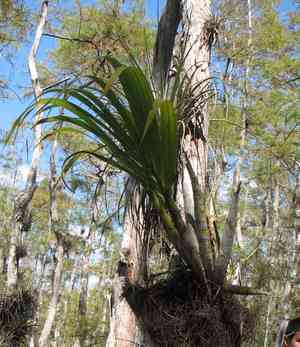
The Cowhorn orchid flourishes when moved between late spring and mid-summer, since the elevated temperatures and extended daylight hours foster vigorous root establishment. Make certain it is repositioned to a partially shaded location with ample air circulation and average humidity for peak development.
What Preparations are Needed Before Transplanting Cowhorn Orchid?
What is the Ideal Time for Transplanting Cowhorn Orchid?
For best outcomes, relocating cowhorn orchid is most effective from late spring through mid-summer. During this period, warmer temperatures and increased sunlight encourage root development and overall plant vitality. Additionally, higher humidity levels help lessen transplant shock, ensuring a smoother transition. Timing your transplant during this season boosts the plantâs establishment and growth potential.
How Much Space Should You Leave Between Cowhorn Orchid Plants?
When moving cowhorn orchid, ensure a distance of 12-18 inches (30-45 cm) between each plant. This will provide ample room for them to expand and thrive comfortably.
What is the Best Soil Mix for Cowhorn Orchid Transplanting?
Prepare a well-draining soil enriched with organic matter for cowhorn orchid. A blend of orchid bark, perlite, and some sphagnum moss works effectively. Applying a balanced base fertilizer, such as 10-10-10, will support healthy development.
Where Should You Relocate Your Cowhorn Orchid?
Position cowhorn orchid in a spot where it will receive partial to full sunlight. Ideally, aim for morning sun and afternoon shade to prevent harsh conditions. This balance provides optimal growing conditions for your plant.
What Equipments Should You Prepare Before Transplantation Cowhorn Orchid?
Gardening Gloves
To shield your hands while handling soil and plants.
Shovel or Spade
For excavating around the plant and preparing its new location.
Hand Trowel
For more precise digging tasks and managing smaller root systems.
Pruning Shears
To trim any damaged or excess roots if required.
Watering Can
For hydrating the plant before and after its relocation.
Wheelbarrow
To move the plant, especially useful for larger cowhorn orchid specimens.
Stakes or Supports
To offer stability for the plant if it is tall or top-heavy.
How Do You Remove Cowhorn Orchid from the Soil?
How Do You Remove Cowhorn Orchid from the Soil?
From Ground: First, moisten the cowhorn orchid plant to dampen the soil. Then, dig a wide trench around the plant using a shovel or spade, ensuring the plant's root ball remains intact. Carefully work the spade beneath the root ball to lift the plant from its original spot.From Pot: Water the cowhorn orchid plant thoroughly to loosen the soil. Gently tilt the pot and lightly tap its sides to release the root ball. If necessary, use a hand trowel to loosen the edges. Slide the plant out, supporting its base and root ball.From Seedling Tray: Ensure the soil is damp before beginning. Gently press the bottom of the cell containing the cowhorn orchid to push the seedling upward. Handle the seedling by its leaves, avoiding the delicate stem, and carefully remove it from the tray.
Step-by-Step Guide for Transplanting Cowhorn Orchid
Site Preparation
Prepare the new planting location by digging a hole that is twice as wide and as deep as the cowhorn orchid's root ball.
Soil Preparation
Ensure the soil is loose and amend it with organic matter if needed to enhance drainage.
Watering the Hole
Thoroughly water the hole before placing the cowhorn orchid in it to ensure moisture is readily available for the plant.
Placing the Plant
Gently position the cowhorn orchid into the hole, ensuring it sits at the same depth as in its previous spot. Backfill with soil, pressing down gently to remove air pockets.
Watering After Planting
Water the cowhorn orchid generously once it's in place to help settle the soil around its roots.
Support (If Needed)
If the cowhorn orchid is tall or top-heavy, use stakes or supports to keep it upright and stable.
Adding Mulch
Apply a layer of mulch around the base of the cowhorn orchid, keeping it a few inches away from the stem to retain moisture and regulate temperature.
How Do You Care For Cowhorn Orchid After Transplanting?
Watering
Keep the soil around the cowhorn orchid consistently moist, but not waterlogged, for the initial weeks after transplanting to aid in establishing strong roots.
Monitoring
Regularly inspect the cowhorn orchid for indications of transplant shock such as wilting or yellowing foliage and address any issues promptly.
Weeding
Keep the area surrounding the cowhorn orchid clear of weeds that might compete for water and nutrients.
Pruning
Trim any damaged or dead leaves to help the cowhorn orchid direct its energy towards new growth.
Fertilizing
Consider applying a balanced fertilizer after a few weeks to support the cowhorn orchid in its new environment.
Troubleshooting Common Issues with Cowhorn Orchid Transplantation.
When is the best time to transplant cowhorn orchid?
Relocating cowhorn orchid is ideal from late spring to mid summer for optimal growth.
How much space should I leave between each cowhorn orchid?
Space each cowhorn orchid 12-18 inches (30-45 cm) apart to allow adequate room for growth.
How should I prepare the new planting site?
Ensure the site has well-draining soil, partial sunlight, and is free from weeds.
How do I remove cowhorn orchid from its original location?
Gently dig around the base, keeping the root ball intact to minimize stress.
What should I do if cowhorn orchid appears wilted after transplanting?
Provide extra water, ensuring soil is moist (not waterlogged), and offer some shade until it recovers.
Is it necessary to use fertilizer during transplantation?
Use a balanced, slow-release fertilizer to support root establishment without overwhelming cowhorn orchid.
How deep should I plant cowhorn orchid in its new location?
Plant cowhorn orchid at the same depth as it was previously growing to avoid stress.
What kind of watering schedule should I follow after transplanting?
Water cowhorn orchid regularly, keeping the soil consistently moist but not soggy, especially in the first few weeks.
How do I protect cowhorn orchid from pests during transplantation?
Inspect for pests, prune affected areas, and use organic insecticides if necessary to prevent damage.
What should I do if yellow leaves appear on cowhorn orchid after transplanting?
Yellow leaves may indicate stress; ensure proper watering, light, and check for root damage.



