How to Propagate Cowhorn orchid?
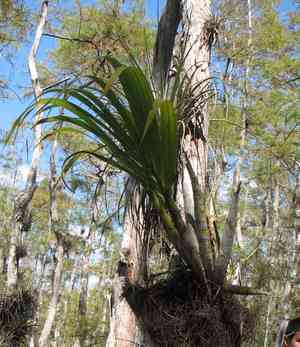
The cowhorn orchid flourishes when multiplied via separation, a technique well-suited to its developmental characteristics. Gently detach the pseudobulbs while transplanting, making sure every segment possesses a minimum of one new shoot. This strategy fosters more vigorous and sturdy development. The best outcomes are frequently observed when the separated portions are promptly placed into a potting mix that drains effectively, specifically formulated to meet the distinct hydration and air circulation requirements of the cowhorn orchid. Observing and modifying the ambient conditions after propagation improves successful rooting and overall health.
Optimal Period for Cowhorn Orchid Propagation
Propagation Method
Division
Propagation Period
Spring,Autumn
Tools Required for Cowhorn Orchid Propagation
Sterile knives or scissors
These implements are crucial for making clean cuts through the pseudobulbs and rhizomes of cowhorn orchid during the division process. Sterilization prevents disease transmission between plants, safeguarding the health of cowhorn orchid during this delicate procedure. Sharp, clean cuts also promote rapid healing and reduce stress, fostering healthier root and shoot development after propagation.
Rooting hormone (optional)
While not strictly essential, applying a rooting hormone can boost root development in newly separated sections of cowhorn orchid. This product can be particularly helpful if the divisions appear weak or less robust. It encourages quicker establishment and stronger root growth, helping the divided parts of cowhorn orchid to adapt and flourish in their new environment.
Watering can with a gentle shower head
Following division, it is vital to water cowhorn orchid carefully to minimize transplant shock and provide necessary hydration without causing soil erosion or excessive moisture. A watering can equipped with a gentle shower head allows for soft, even water distribution, mimicking natural rainfall and ensuring newly planted divisions receive moisture without being overwhelmed.
Potting media
A well-draining, orchid-specific potting mix is recommended for cowhorn orchid after division to ensure adequate air circulation and water drainage around the roots. This medium typically includes components like bark, perlite, and charcoal, which support the unique rooting needs of epiphytic orchids such as cowhorn orchid. Using the correct potting mix directly impacts the success rate of propagation by encouraging healthy root development and preventing root rot.
Labels and a permanent marker
Labeling each division with the propagation date and any other relevant care information is essential for ongoing maintenance and monitoring of cowhorn orchid's health and progress. This practice helps track the development and age of each division, enabling more customized care and adjustment of environmental conditions as needed.
How to Propagate Cowhorn Orchid?
Propagation Type
Easy
Post-Propagation Care for Your Cowhorn Orchid
Post-Propagation Care for Your Cowhorn Orchid
After propagation, position cowhorn orchid in a spot with bright, indirect illumination. Maintain a warm and humid atmosphere, replicating its natural tropical habitat. Water when the top inch of soil feels dry, avoiding over-saturation. Fertilize monthly with a balanced orchid fertilizer during the active growth period. Regularly inspect for signs of pests or diseases and address any issues promptly to keep cowhorn orchid healthy and thriving.
Common Errors to Avoid During Cowhorn Orchid Propagation
Overwatering
Excessive watering can lead to root rot and fungal infections, as cowhorn orchid prefers well-drained conditions. Too much moisture can suffocate the plant's roots, impeding its growth and propagation potential.
Using the wrong substrate
Selecting unsuitable substrates for cowhorn orchid can hinder root development and water drainage. A poor choice in substrate may not meet the specific aeration and drainage requirements of cowhorn orchid, resulting in unhealthy plants.
Insufficient light exposure
Providing either too much or too little light can stress cowhorn orchid, impacting its ability to photosynthesize effectively and grow. Inadequate light stunts growth, while excessive sunlight can cause leaf scorching.
Ignoring pests
Failing to manage pests can severely compromise the health of cowhorn orchid. Pests like scale insects and aphids can weaken the plant by feeding on its sap, diminishing its overall vitality and propagation success.
Tips For Propagating Cowhorn Orchid
Adequate lighting
Ensure cowhorn orchid receives bright, indirect light. Proper illumination supports vigorous growth, increasing the chances of successful propagation.
Proper substrate mix
Utilize a well-draining mix, ideally containing fir bark, perlite, and sphagnum moss. This combination mimics cowhorn orchid's natural growing environment, providing support, moisture retention, and adequate aeration to the roots.
Regular pest monitoring
Periodically check cowhorn orchid for signs of pest infestation and treat them promptly with appropriate eco-friendly pesticides. Prevention and early intervention are crucial for maintaining a healthy plant.
Moderate watering
Water cowhorn orchid just enough to keep the substrate slightly moist but not waterlogged. Consistent monitoring of moisture levels in the substrate will help prevent overwatering issues.



