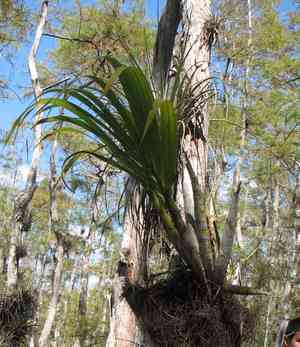
Cowhorn orchid (Cyrtopodium punctatum)
Also known as: Cigar Orchid, Cowhorn Orchid, Bee Swarm Orchid
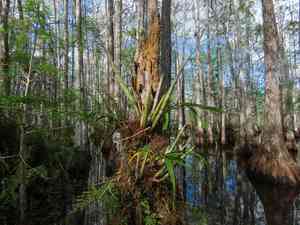
The cowhorn orchid (Cyrtopodium punctatum) is an eye-catching plant known for its green, spotted leaves and preference for warm, humid climates. It thrives as an epiphyte, anchoring its extensive root system to tree bark. In the spring, it produces a dazzling display of yellow flowers adorned with brown spots, attracting pollinators in its natural environment.
In This Article
Attributes of Cowhorn orchid
Lifespan
Perennial
Plant Type
Herb
Plant Height
30 cm to 91 cm
Spread
2 to 3 feet (0.6 to 0.9 meters)
Leaf Color
Green
Flower Size
1 to 2 inches (2.5 to 5 cm)
Flower Color
Yellow Purple Red Orange
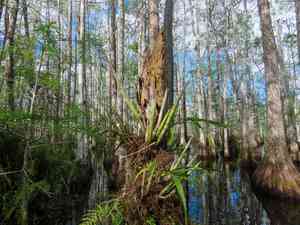
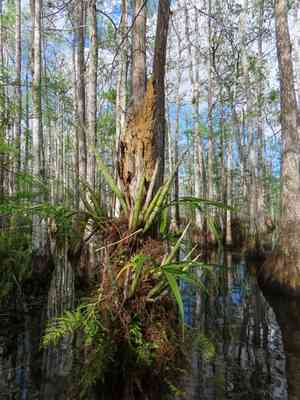
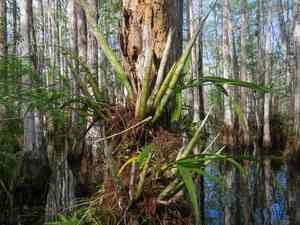
Images of Cowhorn orchid
Quickly Identify Cowhorn orchid
1
Look for its tall pseudobulbs, long, narrow leaves, and distinctive yellow flowers with brown spots. It blooms in the spring and early summer. Leaves are typically arranged in a fan shape emerging from each pseudobulb.
Scientific Classification of Cowhorn orchid
Phylum
Vascular plants
Class
Monocotyledons
Order
Asparagales
Family
Orchid
Genus
Cyrtopodium
Species
Cowhorn orchid
Planting and Growing of Cowhorn orchid
Care Difficulty
Hard
Watering Schedule
Every 4 days
Sunlight Requirements
Partial sun
Sunshine Duration
4-8 hours
Ideal Temperature
70-85℉
Soil Type
Potting Mix, Peat Mix
Soil pH
6.5-7.5
Fertilizer Type
Balanced
Pruning Season
Spring, Summer
Pruning Area
Branches, Leaves
Pruning Frequency
2 times a year
Repotting Season
Spring
Pot Type
Ceramic, Plastic
 How to Water Cowhorn orchid?
When watering Cyrtopodium punctatum, ensure the soil is thoroughly soaked, meaning watering with about 200 ml should sufficiently moisten the roots and the surrounding area without causing waterlogging. Allow the topsoil to dry out slightly between waterings.
What are the symptoms of an underwatered Cowhorn orchid?
›
What should I do if my Cowhorn orchid is not getting enough water?
›
What are the symptoms of an overwatered Cowhorn orchid?
›
How to save an overwatered Cowhorn orchid?
›
 What Are the Sunlight Requirements for Cowhorn orchid?
Cyrtopodium punctatum flourishes best in partial sun or filtered light situations, ensuring a balance between energy gained through photosynthesis and protection from intense rays.
What are the ideal lighting conditions?
›
What solutions can help achieve ideal light?
›
What benefits arise from the ideal light condition?
›
 What Is the Ideal Temperature Range for Cowhorn orchid?
Cyrtopodium punctatum thrives best in an environment where temperatures range from 70°F to 85°F. This range replicates the tropical and subtropical conditions where this orchid is naturally found, providing optimal conditions for growth and blooming.
 What Soil is Best for Cowhorn orchid?
Cyrtopodium punctatum thrives in well-draining soil to avoid root rot. This plant benefits from rapid water drainage, ensuring roots remain healthy and aerated, preventing disease. This orchid prefers soil rich in organic matter to supply essential nutrients. High-quality compost or plant-based mulch improves soil fertility, supporting vigorous growth and vibrant blooms. Cyrtopodium punctatum requires soil that retains some moisture, but not overly wet. Moderate moisture support helps sustain hydration between watering without promoting root rot.
 How to Fertilize Cowhorn orchid?
Cyrtopodium punctatum, also known as the cigar orchid, requires careful attention to the amount of fertilizer used. For liquid fertilizers, a concentration of 1/4 to 1/2 of the recommended strength by the manufacturer should suffice. As orchids are sensitive, it's better to under-fertilize slightly than over-fertilize.
 How to Prune Cowhorn orchid?
It’s crucial to avoid pruning during the dormancy period in winter. Prune during warmer seasons when the plant is actively growing to ensure it recovers and thrives post-pruning. When cutting, make angled cuts close to the pseudobulbs. This minimizes damage and ensures that water does not collect on the cuts, which helps prevent fungal infections.
 How to Propagate Cowhorn orchid plant?
1
Before sowing, fill the seed tray with a well-draining orchid mix. Moisten it slightly to create a conducive environment for seed germination. Ensure the tray is clean to avoid fungal infections.
2
Scatter the seeds evenly on the surface of the mix. Do not cover them with soil as they require light for germination. Maintain a high humidity level by covering the tray with a plastic lid or cling film.
3
Carefully remove the plant from its pot and shake off excess soil. Use a sharp knife to cut through the root mass, ensuring each division has a pseudobulb and roots. Replant each division in fresh orchid mix.
 How to Repot Cowhorn orchid plant?
1
Cyrtopodium punctatum should be repotted when you notice roots growing out of the pot or when the growth seems stunted. These signals indicate that the plant requires more space or fresh nutrients. The ideal time to repot is when it's not in bloom, as this will reduce stress on the plant and encourage better acclimatization to its new pot.
2
Select a pot that is just slightly larger than the current one, with good drainage holes. Choosing an oversized pot can lead to water retention issues, as excess soil can hold more water than necessary, risking root rot. A right-sized pot ensures a balanced environment, supporting steady growth and healthy roots.
3
A mixture of bark, perlite, and tree fern suits Cyrtopodium punctatum well. These components provide excellent aeration and drainage, preventing waterlogging which can cause root rot. A well-draining mix mimics the plant's natural epiphytic habitat, offering stability and enabling the roots to breathe, promoting vigorous growth.
Learn More About Cowhorn orchid Diseases
Anthracnose
Bacterial Leaf Spot
Bacterial Soft Rot
Bacterial Wilt
Black Spot
Chemical Injury
Crown Gall
Damping-off
Downy Mildew
Drought Stress
Fusarium Wilt
Gray Mold
Leaf Spot
Mosaic
Nutrient Deficiency
Nutrient Toxicity
Powdery Mildew
Root Rot
Root-knot Nematode
Rusts
Sooty Mold
Spider Mites
Temperature Stress
Thrips Damage
White Mold



