How to Transplant Clustered lady's slipper?
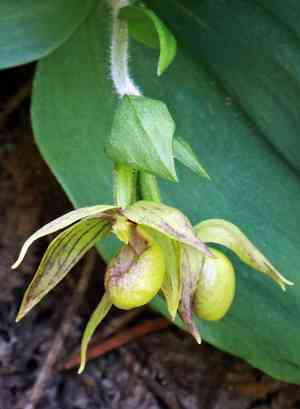
Clustered lady's slipper thrives when relocated between early and late spring or during late autumn, allowing sufficient time for root establishment prior to harsh weather conditions. Select a shaded, damp spot that mimics its native environment to encourage peak development. Helpful advice guarantees positive outcomes!
What Preparations are Needed Before Transplanting Clustered Lady's Slipper?
What is the Ideal Time for Transplanting Clustered Lady's Slipper?
The best period to move clustered lady's slipper is from early to late spring and late autumn. These seasons offer suitable temperatures and ground conditions, promoting successful root development. Relocating during these times maximizes growth potential and reduces plant stress, leading to a healthier, more robust perennial.
How Much Space Should You Leave Between Clustered Lady's Slipper Plants?
When transplanting clustered lady's slipper, ensure each plant is positioned 12-18 inches (30-46 cm) apart. This provides ample room for growth and prevents competition for nutrients and water.
What is the Best Soil Mix for Clustered Lady's Slipper Transplanting?
Prepare the soil for clustered lady's slipper using a well-draining, nutrient-rich, loamy mixture. Incorporate an organic base fertilizer such as compost or aged manure to boost soil fertility.
Where Should You Relocate Your Clustered Lady's Slipper?
Select a shaded or partially shaded spot for transplanting clustered lady's slipper. These plants thrive in filtered sunlight, similar to their natural habitat in a forest understory.
What Equipments Should You Prepare Before Transplantation Clustered Lady's Slipper?
Gardening Gloves
To safeguard your hands while handling soil and plants.
Shovel or Spade
Used for excavating around the plant and forming the trench.
Hand Trowel
Helps to gently loosen soil around smaller root systems.
Watering Can or Hose
For initial and post-transplant irrigation.
Pruners or Scissors
To trim any damaged roots prior to transplanting.
Wheelbarrow
Useful for moving the plant if it is large or heavy.
How Do You Remove Clustered Lady's Slipper from the Soil?
How Do You Remove Clustered Lady's Slipper from the Soil?
From Ground: First, hydrate the clustered lady's slipper plant to moisten the soil. Next, dig a wide trench around the plant with a shovel or spade, ensuring the plant's root ball remains intact. Carefully work the spade beneath the root ball to lift the plant from its original spot.From Pot: Thoroughly water the clustered lady's slipper plant. Gently tilt the pot sideways and slide the plant out while supporting the root ball. If the plant is stuck, lightly tap the pot's sides or use a hand trowel to loosen the soil around the edges.From Seedling Tray: Lightly water the seedlings. Use a hand trowel to carefully lift each seedling from the tray, supporting the root ball. Be gentle to avoid harming the young roots.
Step-by-Step Guide for Transplanting Clustered Lady's Slipper
Site Preparation
Ensure the new planting location is ready by digging a hole twice as wide and the same depth as the plantâs root ball.
Remove the Plant
Follow the appropriate extraction method based on the plant's initial location (ground, pot, or seedling tray).
Trim Roots
Examine the roots and remove any dead or damaged sections with pruners or scissors.
Planting
Place the clustered lady's slipper in the hole, ensuring it is at the same depth as it was in its previous spot. Fill the hole with soil, gently pressing it around the root ball.
Watering
Thoroughly water the plant to help settle the soil and eliminate air pockets.
How Do You Care For Clustered Lady's Slipper After Transplanting?
Watering
Keep the soil around the clustered lady's slipper consistently damp, but not waterlogged, for the initial weeks post-transplant to aid in strong root establishment.
Mulching
Apply a layer of organic material around the plant's base to retain moisture and regulate soil temperature.
Support
Stake the plant if necessary to provide stability as it establishes itself in the new location.
Observation
Regularly check for indications of transplant shock, such as wilting or yellowing foliage, and take prompt corrective measures.
Troubleshooting Common Issues with Clustered Lady's Slipper Transplantation.
When is the best time to transplant clustered lady's slipper?
The ideal period to transplant clustered lady's slipper is from early to late spring or late autumn.
What is the recommended spacing for clustered lady's slipper?
Clustered lady's slipper should be spaced 12-18 inches (30-46 cm) apart to ensure proper growth.
How do I prepare the soil for transplanting clustered lady's slipper?
Improve the soil with organic matter to ensure adequate drainage and nutrients for clustered lady's slipper.
What should I do if the leaves turn yellow after transplanting clustered lady's slipper?
Ensure clustered lady's slipper is not receiving excessive water and check for proper soil drainage.
Is it necessary to water clustered lady's slipper immediately after transplanting?
Yes, thoroughly water clustered lady's slipper after transplanting to help the roots establish quickly.
How deep should I plant clustered lady's slipper during transplanting?
Plant clustered lady's slipper at the same depth as its original container to avoid stress.
How should I handle the roots when transplanting clustered lady's slipper?
Handle the roots gently and not excessively to minimize transplant shock for clustered lady's slipper.
What type of mulch should I use after transplanting clustered lady's slipper?
Use organic mulch to retain moisture and regulate the soil temperature around clustered lady's slipper.
Do I need to fertilize clustered lady's slipper immediately after transplanting?
Fertilization is not necessary immediately; wait until clustered lady's slipper shows new growth.
How can I protect clustered lady's slipper from transplant shock?
Gradually acclimate clustered lady's slipper to its new location and maintain consistent watering.



