How to Propagate Clustered lady's slipper?
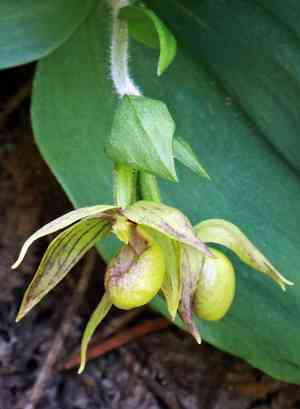
Cypripedium fasciculatum is a fragile perennial that flourishes in woodland settings, perfectly suited for areas with dappled sunlight. Successful reproduction is typically accomplished via division, a method involving the careful and deliberate separation of the rhizome or root ball during its inactive period. Cultivators must guarantee minimal disruption since Cypripedium fasciculatum is susceptible to root injury. Meticulous handling and prompt re-establishment enhance the probability of successful growth in comparable damp, adequately draining soil.
Optimal Period for Clustered Lady's Slipper Propagation
Propagation Method
Division
Propagation Period
Spring,Autumn
Tools for Clustered Lady's Slipper Propagation
Sharp, sterilized pruning shears or knives
These are crucial for the division technique used to propagate clustered lady's slipper. Clean, sterile tools ensure precise cuts, minimizing harm to the plant's delicate roots and reducing infection risk and stress for clustered lady's slipper.
Rooting hormone (optional)
While not essential, rooting hormone can boost root growth in clustered lady's slipper. Applying a small amount to cut surfaces during division can stimulate new root development, increasing successful propagation rates.
Potting mix suited for orchids
A specialized orchid potting blend, typically containing bark, perlite, and charcoal, is vital. It provides superior drainage and aeration, conditions clustered lady's slipper needs to flourish. This medium helps new divisions establish a strong root system.
Labels and a permanent marker
After propagation, it's important to clearly label each new plant section. This aids in monitoring progress and ensuring proper care for each division, especially when managing multiple propagations simultaneously.
Watering can with a gentle spray
This tool is important for providing even and gentle watering to clustered lady's slipper after division. Proper hydration is crucial, but strong water streams can displace soil and harm young roots. A gentle spray helps keep the soil moist without erosion or damage.
How to Propagate Clustered Lady's Slipper?
Propagation Type
Easy
Caring for Your Newly Propagated Clustered Lady's Slipper
Caring for Your Newly Propagated Clustered Lady's Slipper
After propagation, keep the soil consistently moist but not waterlogged, and ensure plants are in a shaded or partially-shaded spot. Avoid excessive direct sunlight and maintain a cool, humid environment similar to clustered lady's slipper's natural habitat. Regularly check for disease or pests, treating promptly if found. Fertilize sparingly with a balanced, slow-release fertilizer suitable for orchids or woodland plants.
Common Mistakes to Avoid When Propagating Clustered Lady's Slipper
Overwatering
Excessive watering can cause root rot in clustered lady's slipper, as it is sensitive to too much moisture around its roots. This condition hinders nutrient absorption and can lead to the plant's death.
Improper soil mix
Using a soil mix that doesn't mimic clustered lady's slipper's natural environment (typically well-draining and rich in organic matter) can stress the plant, resulting in poor growth and less successful propagation.
Inadequate light
Clustered lady's slipper requires specific light conditions that are not too intense but sufficient for growth. Too much direct sunlight can scorch leaves, while too little can inhibit energy production needed for growth and flowering.
Tips For Propagating Clustered Lady's Slipper
Correct soil medium
Utilize a well-draining soil mix enriched with organic matter. This replicates the natural soil conditions of clustered lady's slipper, providing essential nutrients and an ideal environment for root development.
Moisture control
Maintain consistent moisture levels without overwatering. Ensure the potting mix is moist but not soggy to support the health of clustered lady's slipper and prevent root rot.
Indirect lighting
Provide bright, indirect light to clustered lady's slipper to aid photosynthesis without the risk of leaf burn. This mimics the light conditions of its native understorey habitat, promoting healthier growth and successful propagation.



