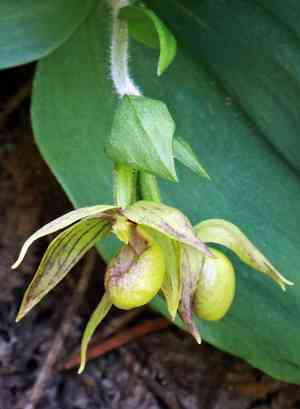
Clustered lady's slipper (Cypripedium fasciculatum)
Also known as: Clustered lady's-slipper, Brownie lady's-slipper
C. fasciculatum features two pleated leaves typically found close to the ground, though occasionally they can be elevated up to 15 cm. The plant bears up to four flowers on a drooping stem, which may rest on the leaves or touch the ground. The petals and sepals exhibit a green to purplish-brown coloration, while the pouch is yellowish-green with purple streaks near the opening.
In This Article
Attributes of Clustered lady's slipper
Lifespan
Perennial
Plant Type
Herb
Plant Height
13 cm to 25 cm
Spread
10-15 cm (4-6 inches)
Leaf Color
Green
Flower Size
2-3 cm (0.8-1.2 inches)
Flower Color
Greenish-brown
Images of Clustered lady's slipper
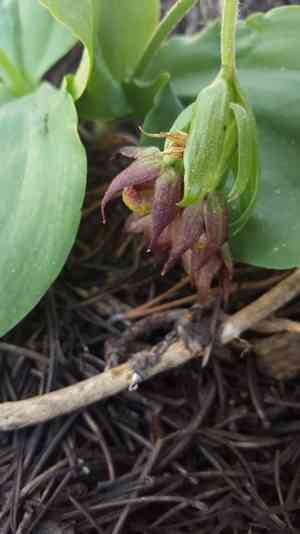
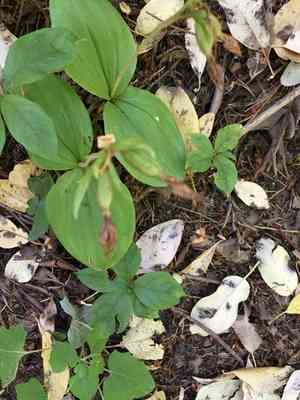
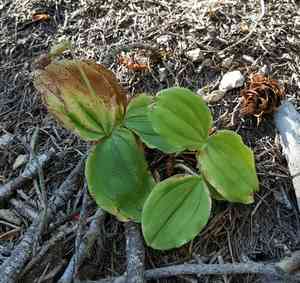
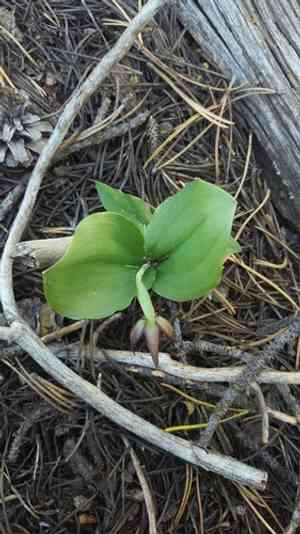
Quickly Identify Clustered lady's slipper
1
It can be identified by its small size, twin leaves at the base of the stem, and the presence of clusters of small greenish-brown flowers. The distinct slipper-shaped pouch of the flower is a key feature.
Scientific Classification of Clustered lady's slipper
Phylum
Vascular plants
Class
Monocotyledons
Order
Asparagales
Family
Orchid
Genus
Slipper orchids
Species
Clustered lady's slipper
Planting and Growing of Clustered lady's slipper
Care Difficulty
Hard
Watering Schedule
Every 2 days
Sunlight Requirements
Partial sun
Sunshine Duration
4-8 hours
Ideal Temperature
60-70℉
Soil Type
Potting Mix, Peat Mix
Soil pH
6.5-7.5
Fertilizer Type
Balanced
Pruning Season
Spring, Summer
Pruning Area
Branches, Leaves
Pruning Frequency
2 times a year
Repotting Season
Spring
Pot Type
Plastic, Ceramic
 How to Water Clustered lady's slipper?
The Cypripedium fasciculatum requires approximately 150ml of water per session, ensuring the soil remains consistently moist but not waterlogged. It's vital to water just until the water barely begins to seep out of the drainage, allowing for moisture retention without stagnation.
What are the symptoms of an underwatered Clustered lady's slipper?
›
What should I do if my Clustered lady's slipper is not getting enough water?
›
What are the symptoms of an overwatered Clustered lady's slipper?
›
How to save an overwatered Clustered lady's slipper?
›
 What Are the Sunlight Requirements for Clustered lady's slipper?
Cypripedium fasciculatum thrives in partial sun to full shade, allowing it to simulate natural forest conditions. This range supports its growth by providing just enough light for photosynthesis while preventing dehydration.
What is the ideal lighting condition for Cypripedium fasciculatum?
›
How can you achieve ideal lighting for this plant?
›
What benefits arise from providing the ideal lighting conditions?
›
 What Is the Ideal Temperature Range for Clustered lady's slipper?
The ideal temperature range for Cypripedium fasciculatum falls between 60°F and 70°F. This range provides optimal conditions for metabolic processes, allowing for maximum growth and vitality. Maintaining these temperatures supports enzymatic activities crucial for the plant's development and photosynthesis.
 What Soil is Best for Clustered lady's slipper?
Cypripedium fasciculatum thrives in well-drained soil, which prevents water logging and root rot. The aeration provided by such soil improves root health and promotes robust plant growth. This species requires soil that can retain adequate moisture without becoming soggy. A balance in moisture helps the plant maintain its delicate balance of hydration, crucial for its survival. The plant benefits from soil rich in organic matter, which supplies essential nutrients and enhances microbial activity. A nutrient-rich environment facilitates healthy development and supports vigorous flowering.
 How to Fertilize Clustered lady's slipper?
For Cypripedium fasciculatum, it is important to use a balanced fertilizer. Liquid fertilizers should be diluted to half-strength to prevent root damage. Approximately 1/4 teaspoon per gallon of water is a suitable concentration. For slow-release fertilizers, a light sprinkle of 1-2 tablespoons per plant at the start of the growing season is ideal.
 How to Prune Clustered lady's slipper?
Begin by carefully examining the plant for dead or discolored foliage. Use clean, sharp shears to remove these parts, cutting back to healthy tissue. Thin out sections where growth is dense, this allows better air circulation and sunlight penetration, reducing the risk of fungal infections. After the blooms have faded, trim back the flowering stems to the base. This encourages the plant to focus energy on root health and prepares it for the next season’s growth.
More About Pruning Techniques→
 How to Propagate Clustered lady's slipper plant?
1
Collect mature seeds from the plant and sow them on a sterile medium in a seed tray. Maintain a consistent temperature and humidity to mimic natural growing conditions and promote germination, which can take several weeks to months.
2
Using a sharp spade, carefully divide the mature plant ensuring each section has roots attached. Replant these divisions into suitable soil, maintaining the same soil depth as the parent plant to prevent shock and encourage healthy growth.
3
This method involves using lab-based techniques to grow the plant from small tissue samples in a sterile environment. It requires careful handling of plant tissues, sterile equipment, and controlled growth conditions to ensure success.
 How to Repot Clustered lady's slipper plant?
1
Repotting should be considered when roots outgrow the current pot or the soil becomes compacted and waterlogged. These signs indicate the plant needs more space to grow or improved drainage to thrive.
2
Select a pot that is just a size larger than the current one, with good drainage holes. This helps avoid excess moisture retention, reducing root rot risk, while providing ample room for root expansion, fostering healthier growth.
3
Use a well-draining and humus-rich soil mix. This type of soil mimics the plant's natural habitat, ensuring the roots receive enough air and nutrients while preventing waterlogging, fostering optimal growth conditions.
Learn More About Clustered lady's slipper Diseases
Anthracnose
Bacterial Leaf Spot
Bacterial Soft Rot
Crown Gall
Cyst Nematode
Damping-off
Downy Mildew
Drought Stress
Fusarium Wilt
Gray Mold
Leaf Spot
Mosaic
Nutrient Deficiency
Nutrient Toxicity
Powdery Mildew
Root Rot
Root-knot Nematode
Rusts
Sooty Mold
Spider Mites
Temperature Stress
Thrips Damage
White Mold



