How to Transplant White lady's slipper?
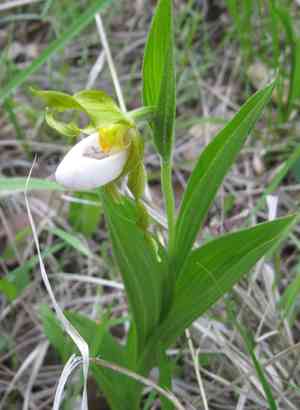
The ideal period for relocating white lady's slipper is from the pleasant warmth of late spring through early summer, which facilitates strong root development. Select a location offering partial shade and damp, adequately draining earth. Ensure the roots remain cool and reduce shock for a smooth acclimation.
What Preparations are Needed Before Transplanting White Lady's Slipper?
What is the Ideal Time for Transplanting White Lady's Slipper?
The best time to move white lady's slipper is in early spring as it transitions into summer, providing balanced warmth and growth potential. Relocating during this revitalizing period ensures root establishment before intense heat. Choosing this window boosts white lady's slipper's success, securing a strong start in its new spot. A gentle reminder - consistent, careful attention after transplanting is crucial in these initial weeks!
How Much Space Should You Leave Between White Lady's Slipper Plants?
Before rehousing your white lady's slipper, it's vital to provide ample room for each plant to thrive. Aim for a comfortable spacing of approximately 12-24 inches (30-60 cm) between each, allowing them the necessary area to develop and spread.
What is the Best Soil Mix for White Lady's Slipper Transplanting?
To ensure your white lady's slipper establishes well, prepare a bed with soil that drains effectively and is rich in organic matter. A low-nitrogen starter fertilizer would provide the perfect boost for your white lady's slipper. Remember, they appreciate slightly acidic soil!
Where Should You Relocate Your White Lady's Slipper?
Your white lady's slipper enjoys some sun exposure but prefers to avoid sunburn! Offer them a location with filtered sunlight or partial shade, especially one that mimics the light found beneath a forest canopy. This will replicate their preferred natural environment.
What Equipments Should You Prepare Before Transplantation White Lady's Slipper?
Gardening Gloves
To shield your hands while handling soil and the plant.
Spade or Shovel
For digging up and moving the white lady's slipper.
Gardening Trowel
Useful for precise tasks or smaller planting areas.
Watering Can or Hose
To hydrate the plant before and after its relocation.
Pruning Shears
For trimming any damaged roots or foliage.
Garden Fork
To gently loosen the soil around the white lady's slipper's root system.
Wheelbarrow or Garden Cart
For moving the white lady's slipper if needed.
Mulch
To help retain moisture and protect the white lady's slipper after transplant.
How Do You Remove White Lady's Slipper from the Soil?
How Do You Remove White Lady's Slipper from the Soil?
From Ground: First, moisten the soil around the white lady's slipper plant. Then, dig a wide circle around the plant using a spade or shovel, being careful not to harm the root ball. Gently lift the plant from the ground, ensuring the root system remains intact.From Pot: Begin by watering the white lady's slipper to facilitate its removal. Turn the pot on its side and lightly tap the edges to dislodge the plant. Slowly ease the plant out by the base of its stems, avoiding pulling on the leaves.From Seedling Tray: Water the seedlings thoroughly. Use a gardening trowel or your fingers to carefully extract the white lady's slipper from its compartment, minimizing root disturbance.
Step-by-Step Guide for Transplanting White Lady's Slipper
Hole Preparation
Excavate a hole in the ground that is twice the width of the white lady's slipper's root ball and of equal depth, ensuring a flat base.
Root Inspection
Carefully examine the roots of the white lady's slipper, removing any damaged or diseased ones with pruning shears.
Preparing The Plant
If the white lady's slipper was in a container, gently loosen the root ball with your hands to encourage new root growth.
Planting The white lady's slipper
Position the plant in the center of the hole, making sure it sits at the same depth as before. Spread its roots outwards.
Filling The Hole
Backfill the hole with soil, lightly compacting it around the base of the white lady's slipper to eliminate air pockets.
Watering After Planting
Water the white lady's slipper gently but thoroughly to settle the soil and provide moisture to its roots.
How Do You Care For White Lady's Slipper After Transplanting?
Monitoring
Observe the white lady's slipper daily to check its adjustment to the new site and confirm the soil has settled correctly.
Mulching
Apply a layer of mulch around the white lady's slipper to retain moisture and regulate soil temperature, but keep it away from the stem to prevent rot.
Staking
If the white lady's slipper is tall or in a windy location, a stake might be needed to support it until its roots establish.
Regular Watering
Maintain a consistent watering schedule to keep the white lady's slipper's soil continuously moist, especially during its initial growth phase after transplanting.
Troubleshooting Common Issues with White Lady's Slipper Transplantation.
What's the best time to transplant white lady's slipper?
The ideal transplant period is from late spring to early summer, when weather conditions are mild.
How far apart should I space white lady's slipper when transplanting?
Space white lady's slipper 12-24 inches (30-60 cm) apart to allow sufficient room for growth.
Why is my white lady's slipper not thriving post-transplant?
Ensure roots weren't harmed during transplant and that the soil drains well.
Can I transplant white lady's slipper on a hot, sunny day?
Transplant on an overcast day or in the late afternoon to avoid immediate sun stress.
How deep should the planting hole be for white lady's slipper?
The hole should be deep enough for roots to spread naturally, typically just deeper than the rootball.
What type of soil is best for transplanting white lady's slipper?
Use rich, well-draining soil with a blend of loam and sand for optimal development.
How much should I water white lady's slipper after transplanting?
Water thoroughly after transplanting to settle soil around roots, then maintain consistent moisture.
Should I fertilize white lady's slipper immediately after transplanting?
Avoid fertilizing right after transplanting. Wait until white lady's slipper shows signs of new growth.
Why are the leaves of white lady's slipper wilting after transplanting?
Wilting can indicate transplant shock. Keep soil moist and shield from intense sunlight.
How do I protect white lady's slipper from pests during transplant?
Inspect the plant for pests before transplanting and apply a mild insecticide if necessary.



