How to Prune White lady's slipper?
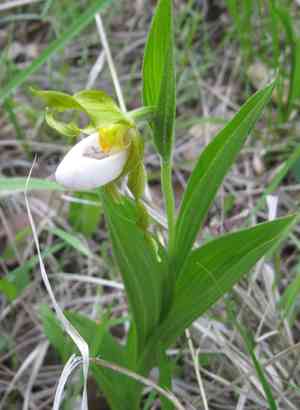
For the fragile terrestrial orchid white lady's slipper, trimming should concentrate on eliminating withered or injured foliage after flowering. Perform a gentle tidying in spring to foster vigorous development. Summer trimming might entail severing faded flower stalks at their base. Always employ sanitized implements to avert illness. Trimming improves plant well-being and could stimulate the subsequent year's growth, but refrain from excessive cutting, as white lady's slipper possesses particular energy stores within its leaves and stalks crucial for its existence.
Advantages of Trimming White Lady's Slipper
Advantages of Trimming White Lady's Slipper
Trimming white lady's slipper promotes robust development and maintains its desired shape, enhancing its inherent beauty and ensuring peak health.
Optimal Time for Trimming White Lady's Slipper
Optimal Time for Trimming White Lady's Slipper
Late spring is perfect as white lady's slipper enters a post-flowering rest period, which lowers the risk of stressing the plant. Removing spent flowers or damaged leaves at this time helps redirect white lady's slipper's energy toward root and vegetative growth. Early summer allows gardeners to cut back any excessive growth without affecting the next season's blooms, as white lady's slipper has finished the most crucial part of its growth cycle by then. Trimming during these seasons ensures that white lady's slipper maintains its health and vigor, recovering well before entering winter dormancy.
Tools Required for Trimming White Lady's Slipper
Sharp Bypass Pruners
These are perfect for making clean cuts on white lady's slipper without crushing the plant's delicate stems. It's crucial to ensure the blades are sharp to minimize damage and prevent disease.
Gloves
Protecting your hands with gloves is vital when handling white lady's slipper, as it helps maintain hygiene and prevents potential skin irritation from extended contact with the plant or any cuts that might occur during the trimming process.
Sterilizing Agent (e.g., Isopropyl Alcohol or Bleach Solution)
Using a sterilizing agent to clean tools before trimming white lady's slipper helps prevent the spread of diseases between plants. This step is essential for maintaining the health of white lady's slipper.
How to Trim White Lady's Slipper
Sterilize
Before trimming white lady's slipper, sterilize your pruning tools with rubbing alcohol or a 10% bleach solution to prevent disease transmission.
Identify
Identify all diseased leaves, withered leaves, and diseased stems on white lady's slipper that require trimming. Look for any signs of discoloration, spots, or decay.
Cut Diseased Leaves
Using your sterilized tools, carefully trim off the diseased leaves of white lady's slipper. Cut at the base of the leaf where it meets the stem, avoiding damage to the remaining healthy foliage.
Cut Withered Leaves
Remove the withered leaves from white lady's slipper by making a clean cut at the base of each leaf. Ensure that the cut is angled away from the remaining healthy part of the plant.
Cut Diseased Stems
Trim diseased stems of white lady's slipper by cutting them off at the base near the soil line. Be careful to make a straight cut to prevent any unnecessary stress to the plant.
Common Trimming Errors with White Lady's Slipper
Excessive trimming
Removing too much foliage at once can weaken white lady's slipper, leading to reduced vigor and fewer blooms.
Cutting healthy tissue
Avoid cutting into green, healthy parts of white lady's slipper unnecessarily, as this can introduce stress and potential disease.
Trimming active growth
Trimming white lady's slipper during active growth periods can interrupt its developmental cycle and negatively impact overall health and flowering.
Improper tool use
Using dull or dirty tools can damage white lady's slipper's delicate tissues and introduce pathogens.
Neglecting dead material
Failure to remove dead or diseased material can allow disease to spread throughout white lady's slipper.
General Trimming Advice for White Lady's Slipper
Clean tools
Before trimming white lady's slipper, ensure all tools are sharp and sterile to prevent disease and ensure clean cuts.
Minimal trimming
White lady's slipper benefits from minimal trimming; only remove dead or damaged plant parts to promote health.
Timing trimming
While timing is not to be elaborated on, ensure trimming aligns with white lady's slipper's growth and dormancy cycles for best results.
Protective gear
Wear gloves and protective clothing to safeguard against potential irritants while trimming white lady's slipper.
Trim to base
When removing dead or diseased tissue, cut back to the base without disturbing healthy tissue to promote new growth.
Post trimming care
After trimming white lady's slipper, provide appropriate water and care to support recovery and new growth.



