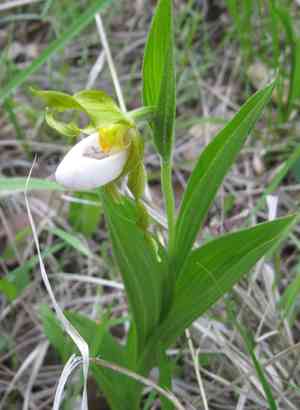
White lady's slipper (Cypripedium candidum)
Also known as: White Lady's Slipper, Small White Lady's-slipper
The Eastern Prairie Fringed Orchid is a delicate orchid-type wildflower found in wetlands and is endangered in numerous regions. Named for its fringed petals, this beautiful plant faces threats from invasive species, grazing livestock, and industrial activities.
In This Article
Attributes of White lady's slipper
Lifespan
Perennial
Plant Type
Herb
Plant Height
20 cm to 36 cm
Spread
Typically none, as it is a single-stemmed plant.
Leaf Color
Green
Flower Size
1.8 cm
Flower Color
White Yellow Green Purple Red
Images of White lady's slipper
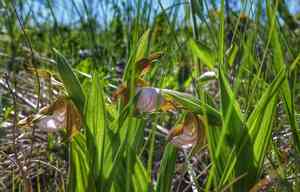
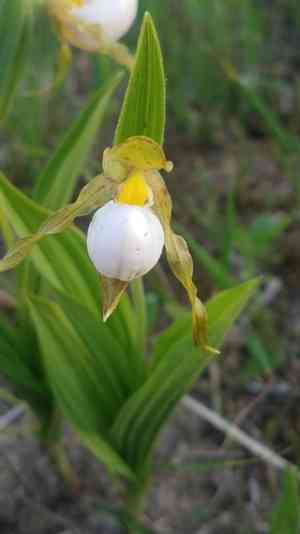
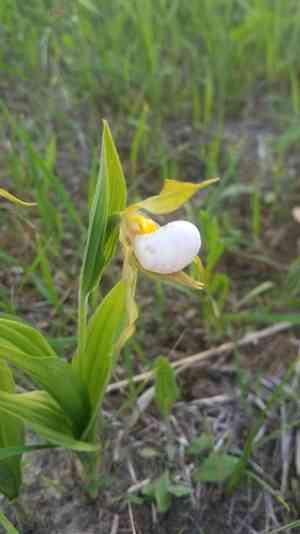
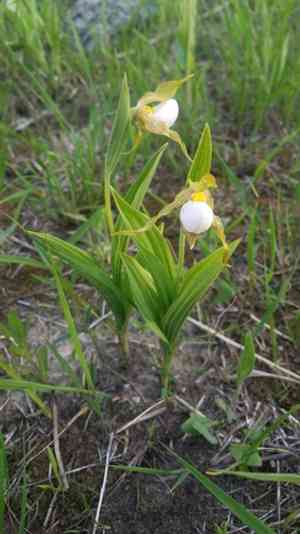
Quickly Identify White lady's slipper
1
The plant can be identified by its distinct white, slipper-shaped pouch and the purple-speckled interiors of the flowers. The leaves are lanceolate and arise from the base of the plant. It typically blooms in late spring to early summer.
Scientific Classification of White lady's slipper
Phylum
Vascular plants
Class
Monocotyledons
Order
Asparagales
Family
Orchid
Genus
Slipper orchids
Species
White lady's slipper
Planting and Growing of White lady's slipper
Care Difficulty
Hard
Watering Schedule
Every 2 days
Sunlight Requirements
Partial sun
Sunshine Duration
6-8 hours
Ideal Temperature
60-75℉
Soil Type
Potting Mix, Peat Mix
Soil pH
6.5-7.5
Fertilizer Type
Balanced
Pruning Season
Spring, Summer
Pruning Area
Branches, Leaves
Pruning Frequency
2 times a year
Repotting Season
Spring
Pot Type
Plastic, Ceramic
 How to Water White lady's slipper?
Cypripedium candidum requires specific watering amounts to thrive. It is crucial to ensure the soil is moist but not waterlogged. The general rule is to pour around 250 milliliters of water during each watering session, ensuring the roots have enough hydration without drowning them. Over-saturation can lead to root rot, while under-watering can stress the plant.
What are the symptoms of an underwatered White lady's slipper?
›
What should I do if my White lady's slipper is not getting enough water?
›
What are the symptoms of an overwatered White lady's slipper?
›
How to save an overwatered White lady's slipper?
›
 What Are the Sunlight Requirements for White lady's slipper?
The ideal light range for Cypripedium candidum is partial sun. Exposure to partial sun allows for optimal photosynthesis, supporting healthy growth and vibrant, prolific flowering, while ensuring the plant is protected from excessive heat.
What type of light does Cypripedium candidum prefer?
›
How can I achieve the ideal lighting for Cypripedium candidum?
›
What benefits does the ideal light offer to Cypripedium candidum?
›
 What Is the Ideal Temperature Range for White lady's slipper?
The ideal temperature range for Cypripedium candidum is between 60°F and 75°F. This range allows the plant to photosynthesize efficiently and grow steadily without inducing stress-related responses. Maintaining these conditions helps in achieving optimal growth, flowering, and seed production.
 What Soil is Best for White lady's slipper?
Cypripedium candidum thrives in well-drained soil, which ensures that the roots do not sit in water, preventing root rot and other moisture-related issues. This condition mimics its natural habitat, providing the stability and nutrients the plant needs to flourish and produce its distinctive flowers. This plant prefers soil enriched with organic matter. A nutrient-rich soil supports healthy growth and vibrant blooming, contributing to the overall vitality of the plant. Regularly amending the soil with compost can sustain these nutrient levels and promote robust health. Cypripedium candidum requires a slightly alkaline soil to optimize nutrient uptake. Maintaining the soil pH within the preferred range enhances the plant's access to essential nutrients, supporting vigorous growth and blooming.
 How to Fertilize White lady's slipper?
For Cypripedium candidum, the ideal fertilizer amount is relatively low compared to other plants. Use half-strength balanced liquid fertilizer every two weeks during the growing season, ensuring not to overwhelm the plant's natural growth process. With solid fertilizers, a sparing top dressing in early spring will suffice, using about 1 tablespoon per plant.
 How to Prune White lady's slipper?
Begin by using sterilized, sharp shears to prevent any infections. Carefully inspect the plant for any dead or diseased stems and remove them at the base. Trim away any spent flowers once they have completed blooming. This not only tidies up the plant but also encourages the growth of new blooms in its place. Do not cut into the green, living stems as this can harm the plant's health.
More About Pruning Techniques→
 How to Propagate White lady's slipper plant?
1
For seed propagation, collect seeds in the fall and store them in a cool, dry place over winter. Stratify them before sowing to mimic natural conditions.
2
In late spring, sow the stratified seeds in a soil mix rich in organic matter. Place seeds on the surface without covering them deeply, as they require light to germinate.
3
In early summer, when the plant is dormant, carefully dig up the rhizomes and divide them into sections, ensuring each has buds and roots. Replant them immediately.
 How to Repot White lady's slipper plant?
1
Cypripedium candidum should be repotted when you notice the roots becoming cramped or poor growth. This typically happens every 2 to 3 years, during early spring or autumn. Look for signs like slowed growth or water not draining properly, indicating it's time for a new pot.
2
Choose a pot that is slightly larger than the current one, with ample drainage holes. A clay pot can provide stability and aid in moisture regulation. The increased drainage will keep the roots healthy, preventing root rot and enhancing aeration, which is crucial for orchids.
3
Opt for a well-draining, humus-rich potting mix, which mimics its natural environment. A mix with added bark or perlite ensures enough air reaches the roots, preventing them from becoming waterlogged. This kind of soil is ideal for supporting healthy growth and flowering.
Learn More About White lady's slipper Diseases
Anthracnose
Bacterial Leaf Spot
Bacterial Soft Rot
Bacterial Wilt
Black Spot
Chemical Injury
Crown Gall
Damping-off
Downy Mildew
Drought Stress
Fusarium Wilt
Gray Mold
Leaf Spot
Mosaic
Nutrient Deficiency
Nutrient Toxicity
Powdery Mildew
Root Rot
Root-knot Nematode
Rusts
Sooty Mold
Spider Mites
Temperature Stress
Thrips Damage
White Mold



