How to Transplant Ram's head lady's slipper?
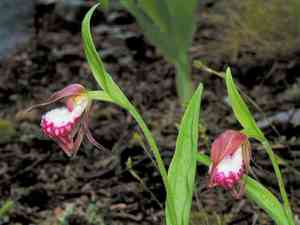
The ideal period for relocating Ram's head lady's slipper is from the beginning to the end of summer, when environmental factors are most favorable. Choose a spot that receives shade to partial shade, featuring damp, adequately draining earth. Exercise caution during transplantation, taking into account the site to maximize successful development.
What Preparations are Needed Before Transplanting Ram's Head Lady's Slipper?
What is the Ideal Time for Transplanting Ram's Head Lady's Slipper?
Ram's head lady's slipper should ideally be moved from mid-summer to late summer. Relocating during this period ensures the plant has warm soil and consistent moisture, aiding root establishment. This timing also avoids frost risks and allows the perennial to adapt before colder seasons. These conditions greatly contribute to a successful transplant.
How Much Space Should You Leave Between Ram's Head Lady's Slipper Plants?
When planning to transplant ram's head lady's slipper, ensure to space them 12-18 inches (30-45 cm) apart. This spacing will provide each plant ample room to grow and flourish without competing for nutrients and sunlight.
What is the Best Soil Mix for Ram's Head Lady's Slipper Transplanting?
Prepare well-draining soil rich in organic matter for ram's head lady's slipper. A blend containing loam and compost will work wonderfully. Incorporate a base fertilizer like a slow-release 10-10-10 (NPK) to supply essential nutrients for healthy development.
Where Should You Relocate Your Ram's Head Lady's Slipper?
Choose a partially shaded spot for ram's head lady's slipper. They thrive with dappled sunlight or morning sun followed by afternoon shade. Avoid direct, intense sunlight as it can be too harsh for these delicate plants.
What Equipments Should You Prepare Before Transplantation Ram's Head Lady's Slipper?
Gardening Gloves
To protect your hands while handling soil and plants.
Shovel or Spade
To excavate and lift the plant from its original spot.
Hand Trowel
For more precise digging and working around the root ball.
Watering Can or Hose
For hydrating the plant before and after relocation.
Pruners or Scissors
To trim any damaged or excess roots.
Bucket or Container
To temporarily hold the plant if necessary.
Mulch
To retain moisture and control weeds around the newly planted specimen.
How Do You Remove Ram's Head Lady's Slipper from the Soil?
How Do You Remove Ram's Head Lady's Slipper from the Soil?
From Ground: First, water the ram's head lady's slipper plant to moisten the soil. Then, dig a wide trench around the plant using a shovel or spade, ensuring the plant's root ball remains intact. Carefully work the spade beneath the root ball to lift the plant from its original location.From Pot: Water the ram's head lady's slipper plant in the pot to make the soil easier to manage. Gently turn the pot on its side and tap the bottom to loosen the root ball. Carefully slide the plant out, holding the base of the stem while supporting the root ball.From Seedling Tray: Water the ram's head lady's slipper seedlings in the tray. Use a hand trowel to gently lift each seedling, making sure to keep as much soil around the roots as possible. Handle the seedlings by the leaves to prevent damage to their fragile stems.
Step-by-Step Guide for Transplanting Ram's Head Lady's Slipper
Site Preparation
Prepare the new planting location by digging a hole that is twice as wide and the same depth as the ram's head lady's slipper's root ball.
Root Ball Handling
If the roots are tightly interwoven or circling the root ball, gently loosen them with your hands or trim them with pruners.
Plant Placement
Position the ram's head lady's slipper in the center of the hole, ensuring it is at the same depth as it was in its original spot. The top of the root ball should be level with the surrounding soil.
Backfilling
Fill the hole with soil, pressing it gently around the root ball to eliminate air pockets. Ensure the ram's head lady's slipper stands upright and is firmly planted.
Watering In
Water the ram's head lady's slipper thoroughly after planting to help settle the soil around the roots.
How Do You Care For Ram's Head Lady's Slipper After Transplanting?
Watering
Keep the soil around the ram's head lady's slipper consistently moist, but not waterlogged, for the first few weeks after transplanting to help establish strong roots.
Mulching
Apply a layer of mulch around the base of the ram's head lady's slipper to retain moisture and suppress weeds.
Monitoring
Regularly check the ram's head lady's slipper for signs of stress, such as wilting or yellowing leaves, and adjust watering as needed.
Troubleshooting Common Issues with Ram's Head Lady's Slipper Transplantation.
When is the ideal time to transplant ram's head lady's slipper?
The best time is from early summer to late summer for optimal growth.
What spacing is best for ram's head lady's slipper when transplanting?
Maintain a spacing of 12-18 inches (30-45 cm) between each plant.
How to prepare the soil for transplanting ram's head lady's slipper?
Ensure well-draining soil enriched with organic matter for healthy root development.
What should I do if my transplanted ram's head lady's slipper looks wilted?
Water it thoroughly and provide some shade until it recovers.
Can I transplant ram's head lady's slipper in full sun?
Ram's head lady's slipper prefers partial shade. Full sun can cause stress and hinder growth.
How deep should I plant ram's head lady's slipper during transplanting?
Plant ram's head lady's slipper at the same depth it was previously growing to prevent shock.
What should be the soil pH for ram's head lady's slipper?
Maintain a slightly acidic to neutral soil pH of 6.0-7.0.
How to care for ram's head lady's slipper after transplanting?
Water regularly and mulch to retain moisture and suppress weeds.
Should I fertilize ram's head lady's slipper after transplanting?
Use a balanced fertilizer sparingly to avoid root burn and support growth.
How to avoid transplant shock in ram's head lady's slipper?
Transplant gently, keep roots intact, and water immediately after moving the plant.



