How to Propagate Ram's head lady's slipper?
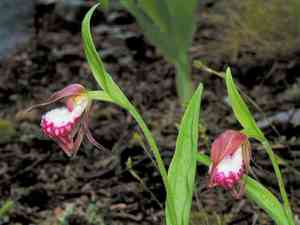
The Ram's head lady's slipper, an uncommon and fragile indigenous orchid, flourishes in dim forest environments featuring porous, acidic substrates. Successful reproduction necessitates the meticulous separation of established clusters during the initial part of spring. Verify that root structures remain undamaged and manage them gently to prevent harm. Sustain dampness and apply a covering of mulch to preserve humidity and inhibit unwanted vegetation. Achieving successful growth relies on accurately replicating its natural environmental circumstances.
Optimal Period for Ram's Head Lady's Slipper Propagation
Propagation Method
Splitting
Propagation Season
Spring,Autumn
Tools Required for Ram's Head Lady's Slipper Propagation
Hand Trowel
Utilized for carefully excavating around the plant intended for division. Its compact size and pointed tip enable precise cuts and minimal root disturbance, vital for ram's head lady's slipper's delicate root structure.
Garden Fork
Crucial for gently loosening the soil surrounding the plant, facilitating easier lifting and separation of clumps without harm. Aids in alleviating soil compaction.
Sharp Knife or Pruning Shears
Necessary for making clean cuts when dividing the plant. A keen blade ensures minimal damage to roots and shoots, which is essential for the successful establishment of ram's head lady's slipper after division.
Rooting Hormone
Promotes faster and stronger root development in the separated sections. Employing a rooting hormone can significantly boost the success rate of ram's head lady's slipper propagation.
Seedling Tray or Pots
Used for potting the divided sections. Individual trays or pots allow for better management of root growth and easier monitoring of each new plant's development.
Sterilization Tools (e.g., alcohol wipes)
Important for sanitizing pruning tools before and after use to prevent disease transmission. Maintains plant health by reducing infection risk.
Watering Can with Fine Rose
Ensures gentle and even irrigation of newly divided plants, preventing soil displacement and root disturbance. Consistent moisture is critical for the initial stages of ram's head lady's slipper's growth.
How to Propagate Ram's Head Lady's Slipper?
Propagation Type
Simple
Caring for Your Newly Propagated Ram's Head Lady's Slipper
Caring for Your Newly Propagated Ram's Head Lady's Slipper
After propagation, ram's head lady's slipper needs well-draining, humus-rich soil and consistent moisture, with care to avoid waterlogging. Maintain a shaded environment to mimic its natural forest floor habitat. Regularly inspect for pests and diseases, and ensure a balanced application of specialized fertilizers for woodland orchids. Patience is key, as new divisions may take several years to bloom.
Common Errors to Avoid When Propagating Ram's Head Lady's Slipper
Improper Soil Conditions
Failure to provide well-drained, acidic soil can lead to rot and nutrient deficiencies, impeding growth.
Excessive Watering
Over-irrigation can cause root rot and fungal issues, which can be fatal to ram's head lady's slipper.
Incorrect Light Exposure
Exposing ram's head lady's slipper to too much direct sunlight can result in leaf burn, while insufficient light can hinder development.
Inadequate Dormancy Period
Not providing a proper dormancy period during winter can disrupt the natural growth cycle, leading to poor health.
Planting Depth Errors
Planting rhizomes too deep or too shallow can impact the plant's ability to establish and grow correctly.
Tips For Propagating Ram's Head Lady's Slipper
Utilize Well-Drained, Acidic Soil
Ensure the soil is rich in organic matter and drains effectively to prevent root rot and support robust growth.
Water Moderately
Provide consistent moisture but avoid saturation. Allow the soil to dry slightly between watering sessions.
Provide Filtered Light
Position ram's head lady's slipper in an area that receives dappled sunlight or partial shade to replicate its natural environment.
Ensure Dormancy
Allow ram's head lady's slipper to experience a cold dormancy period in winter by reducing irrigation and maintaining cooler temperatures.
Correct Planting Depth
Plant rhizomes just beneath the soil surface, ensuring buds are covered but not excessively deep to promote proper sprouting and growth.



