How to Transplant Southern flatsedge?
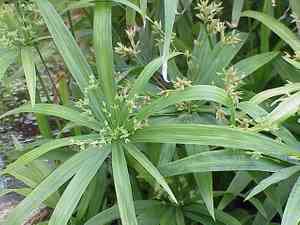
Southern flatsedge flourishes when relocated in mid-spring or early winter, benefiting from mild temperatures. Select bright locations featuring damp, adequately draining earth for peak development. Take care not to overly disrupt the root system.
Essential Preparations Before Relocating Southern Flatsedge
Optimal Timing for Southern Flatsedge Relocation?
Southern flatsedge, a perennial species, is best moved during early to mid-spring. This period allows the plant to establish its root system in damp soil, benefiting from mild temperatures and ample rainfall. Transplanting at this time promotes better development and minimizes shock, encouraging robust growth before the summer heat arrives.
Recommended Spacing Between Southern Flatsedge Plants?
For southern flatsedge, position each plant approximately 12-18 inches (30-45 cm) apart. This spacing provides adequate room for growth and flourishing while maintaining a full appearance.
Ideal Soil Blend for Southern Flatsedge Relocation?
When moving southern flatsedge, prepare soil that drains well and is rich in organic matter. Incorporating a foundational fertilizer such as compost or aged manure will give your plants an excellent start.
Where to Replant Your Southern Flatsedge?
Select a spot for southern flatsedge that receives full to partial sun exposure. Around 6 hours of sunlight daily is optimal for healthy development.
Equipment Needed Before Relocating Southern Flatsedge
Gardening Gloves
To safeguard your hands while handling soil and plants.
Shovel or Spade
For excavating the plant and its root system from its original spot.
Trowel
Used for more precise digging and manipulating soil around the plant.
Watering Can or Hose
To hydrate the plant immediately following its relocation.
Pruning Shears
To trim any damaged roots or foliage.
Wheelbarrow
To move the plant if necessary.
How to Extract Southern Flatsedge from the Ground?
How to Extract Southern Flatsedge from the Ground?
From Ground: First, water the southern flatsedge plant to moisten the soil. Next, dig a wide trench around the plant using a shovel or spade, ensuring the plant's root ball remains intact. Carefully work the spade beneath the root ball to lift the plant from its initial location.From Pot: Thoroughly water the southern flatsedge plant before removal. Gently turn the pot on its side and tap the edges to loosen the soil. Carefully slide the plant out, supporting the root ball with your hand.From Seedling Tray: If removing from a seedling tray, gently push from the bottom to lift each plant. Be sure to handle the seedlings by their leaves to avoid harming the delicate stems and roots.
Step-by-Step Guide for Relocating Southern Flatsedge
Site Preparation
Prepare the new site by loosening the soil and digging a hole that is twice as wide and as deep as the southern flatsedge plant's root ball.
Relocation
Position the southern flatsedge plant in the hole, ensuring it sits at the same level it was previously growing. Backfill the hole with soil and gently firm it down around the plant's base to eliminate air pockets.
Watering
Water the plant thoroughly immediately after relocation to help settle the soil around the roots.
Post-Relocation Care for Southern Flatsedge
Watering
Maintain consistent moisture in the soil around the southern flatsedge, avoiding sogginess, for the initial weeks after relocation to aid in root establishment.
Mulching
Apply a layer of organic mulch around the plant's base to help retain moisture and inhibit weed growth.
Monitoring
Observe the plant for any indications of stress, such as wilting or yellowing, and address any issues promptly.
Addressing Common Issues with Southern Flatsedge Relocation.
When is the best time to relocate southern flatsedge?
Early spring, mid-spring, late fall, and early winter are ideal for moving southern flatsedge.
What spacing should I consider for southern flatsedge?
Ensure 12-18 inches (30-45 cm) between each southern flatsedge plant for proper growth.
How do I prepare the soil before relocating southern flatsedge?
Loosen soil to at least 10 inches (25 cm) deep and incorporate compost for fertility.
What should I do if southern flatsedge wilts after relocating?
Keep soil consistently moist but not waterlogged to help the plant recover from relocation shock.
How can I minimize relocation shock for southern flatsedge?
Water southern flatsedge thoroughly before and after relocating to reduce stress on the plant.
Do I need to prune southern flatsedge before relocating?
Yes, trimming back some foliage can help southern flatsedge focus on root establishment.
How deep should I plant southern flatsedge during relocation?
Plant southern flatsedge at the same depth it was in its previous location to avoid stress.
Is it necessary to fertilize southern flatsedge after relocating?
Use a balanced, slow-release fertilizer lightly after relocating to support growth.
What type of mulch is best for southern flatsedge after relocating?
Organic mulch like bark or straw helps retain moisture and keeps roots cool for southern flatsedge.
How frequently should I water southern flatsedge after relocating?
Water deeply every few days initially, then adjust based on soil moisture and rainfall.



