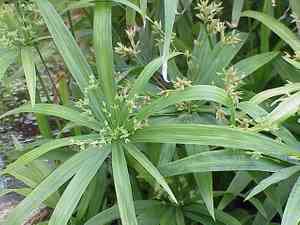
Southern flatsedge (Cyperus thyrsiflorus)
Also known as: Clustered-flower Sedge
Southern flatsedge is a perennial plant featuring upright, triangular stems and dark green, blade-like leaves. The plant is known for its distinctive brown, fluffy flower clusters that resemble bristly paintbrushes. It thrives in wet, marshy areas such as wetlands and streambanks, favoring moist, poorly drained soils. Its specialized root system helps it adapt to these saturated environments by providing support and aiding in aeration.
In This Article
Attributes of Southern flatsedge
Lifespan
Perennial
Plant Type
Grass
Plant Height
Up to 1 meter
Spread
N/A
Leaf Color
Light green
Flower Size
5-10 cm (the entire cluster)
Flower Color
Whitish-green
Images of Southern flatsedge
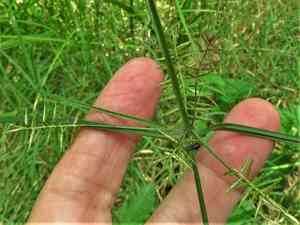
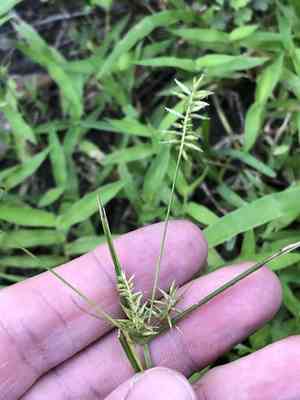
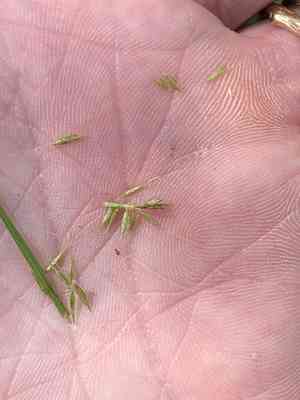
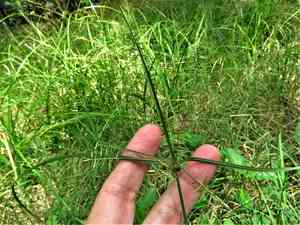
Quickly Identify Southern flatsedge
1
Look for its densely packed flower clusters that are arranged in a spike-like formation. The leaves are typically grass-like and exhibit a light green color.
Scientific Classification of Southern flatsedge
Phylum
Vascular plants
Class
Monocotyledons
Order
Poales
Family
Sedge
Genus
Nutgrasses
Species
Southern flatsedge
Planting and Growing of Southern flatsedge
Care Difficulty
Easy
Watering Schedule
Every 2 days
Sunlight Requirements
Partial sun
Sunshine Duration
6-8 hours
Ideal Temperature
65-75℉
Soil Type
Potting Mix, Peat Mix
Soil pH
6.5-7.5
Fertilizer Type
Balanced
Pruning Season
Spring, Summer
Pruning Area
Branches, Leaves
Pruning Frequency
2 times a year
Repotting Season
Spring
Pot Type
Plastic, Terracotta
 How to Water Southern flatsedge?
Cyperus thyrsiflorus thrives in consistently moist environments, so when you water, ensure that the soil is thoroughly wet, but not waterlogged. The principle is to keep the top inch of soil consistently moist, mimicking its natural habitat near water sources.
What are the symptoms of an underwatered Southern flatsedge?
›
What should I do if my Southern flatsedge is not getting enough water?
›
What are the symptoms of an overwatered Southern flatsedge?
›
How to save an overwatered Southern flatsedge?
›
 What Are the Sunlight Requirements for Southern flatsedge?
Partial sun exposure benefits Cyperus thyrsiflorus significantly. It strikes a balance between light and shade, promoting healthy foliage without risk of thermal shock, ensuring continuous, vigorous growth.
Optimal Light Intensity
›
Solutions for Ideal Sunlight
›
Benefits of Ideal Lighting
›
 What Is the Ideal Temperature Range for Southern flatsedge?
The ideal temperature range for Cyperus thyrsiflorus is between 65°F and 75°F. Within this range, the plant experiences optimal growth conditions, ensuring healthy development and vibrant foliage.
 What Soil is Best for Southern flatsedge?
Cyperus thyrsiflorus thrives in well-draining soils, which prevent root rot by allowing excess water to escape. The airy soil balance supports healthy root development and boosts nutrient uptake, essential for vigorous growth. Although Cyperus thyrsiflorus does not demand high fertility, a soil rich in organic matter provides necessary nutrients. This boosts plant resilience against pests and disease, fostering a lush, vibrant appearance. This plant prefers moist conditions. Sandy loam soils with good moisture retention ensure the plant remains hydrated, preventing wilting and promoting lush green foliage throughout its growing season.
 How to Fertilize Southern flatsedge?
For Cyperus thyrsiflorus, the amount of fertilizer should be moderate. Use about 10 ml of liquid fertilizer per liter of water during active growth periods for liquid feeding. For solid granular fertilizers, apply approximately 20 grams per square meter. Adjust based on plant health.
 How to Prune Southern flatsedge?
Cyperus thyrsiflorus, known for its striking brush-like inflorescences, requires pruning to maintain its health and aesthetic. Start by identifying dead or yellowing stems and carefully trim them using sanitized pruning shears. This not only enhances the plant's appearance but also promotes growth by directing energy towards healthy parts. To achieve a well-balanced look, consider shaping the plant by selectively trimming overgrown or uneven stems. Aim to maintain an overall symmetrical appearance, ensuring sufficient space for airflow. This regimen helps prevent crowding and encourages robust growth.
More About Pruning Techniques→
 How to Propagate Southern flatsedge plant?
1
Ensure the soil is well-draining and rich in organic matter. This provides a healthy environment for seeds to germinate or for divided plants to root properly.
2
Sow the seeds lightly on the surface of the seed tray filled with soil. Cover them with a thin layer of soil. Keep the soil moist but not waterlogged, ensuring adequate sunlight reaches the seeds.
3
For division, carefully dig up the plant and separate the clumps using a sharp knife or spade. Ensure each division has roots and shoots. Replant immediately in prepared soil.
 How to Repot Southern flatsedge plant?
1
Look for signs such as roots growing out of the drainage holes, slowed growth, or the soil drying out too quickly. These indicate that the plant has outgrown its current pot. Ideally, repot Cyperus thyrsiflorus in the warmer months of spring or early summer, when the plant's growth phase is active.
2
Select a pot that is one size larger than the current one to encourage growth without overwhelming the plant. It should have ample drainage holes to prevent waterlogging, ensuring that the plant's roots remain healthy and oxygenated.
3
Opt for a rich, well-draining mix. A blend with peat, sand, and loam works well, preventing waterlogging while providing enough nutrients to support the vibrant growth of Cyperus thyrsiflorus.
Learn More About Southern flatsedge Diseases
Anthracnose
Bacterial Leaf Spot
Bacterial Soft Rot
Bacterial Wilt
Cyst Nematode
Damping-off
Downy Mildew
Drought Stress
Fusarium Wilt
Gray Mold
Leaf Spot
Mosaic
Nutrient Deficiency
Nutrient Toxicity
Powdery Mildew
Root Rot
Root-knot Nematode
Rusts
Sooty Mold
Spider Mites
Temperature Stress
Thrips Damage
White Mold



