How to Prune Southern flatsedge?
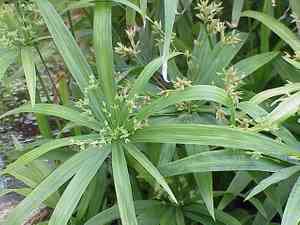
Recognized for its groupings of spikelets, southern flatsedge thrives with trimming in late winter or early spring. Trim away mature stalks to stimulate fresh development and alleviate congestion. Eliminating faded flower stems can improve the plant's general well-being and aesthetic. Verify that instruments are disinfected to avert the transmission of pathogens. Consistent trimming fosters a more robust, compact structure, and aids in preserving the plant's decorative charm. Adhere to these guidelines for peak vitality and visual attractiveness, as advised by botanical specialists.
Advantages of Trimming Southern Flatsedge
Advantages of Trimming Southern Flatsedge
Southern flatsedge pruning fosters robust development, sustains its form, enhances its look, and aids in managing its dimensions. Consistent trimming promotes healthier, denser foliage and can lessen the likelihood of pest infestations and illness.
Optimal Period for Pruning Southern Flatsedge
Optimal Period for Pruning Southern Flatsedge
Trimming southern flatsedge during early spring and winter is ideal for several reasons. In early spring, just before the growth period, pruning stimulates new, healthy growth as the plant enters its active phase. Pruning in winter, when southern flatsedge is dormant, minimizes plant stress and reduces disease and pest risks. Both seasons avoid disrupting flowering or fruiting, thus preserving the plant's overall health and aesthetic.
Required Tools for Pruning Southern Flatsedge
Hand Pruners
Perfect for cutting individual stems or clusters. Essential for accuracy and ease.
Shears
Suitable for trimming larger areas or denser clumps. Offers control and efficiency.
Long-handled Pruners
Useful for reaching into the center of southern flatsedge without harming other parts. Reduces back strain.
Loppers
Best for thicker stems and roots. Provides leverage and strength for tougher cuts.
How to Prune Southern Flatsedge
Identify diseased and withered leaves
Carefully examine southern flatsedge for any leaves that appear diseased (discolored, spotted) or withered (brown, dry).
Sanitize tools
Before pruning, disinfect your pruning shears or scissors with rubbing alcohol or a bleach solution to prevent disease spread.
Remove diseased leaves
Using sanitized tools, cut off diseased leaves at the base of the leaf stem. Ensure these leaves are disposed of away from southern flatsedge to avoid recontamination.
Trim withered leaves
Cut away withered leaves near the base, similarly ensuring disposal of trimmed pieces. This encourages healthier growth.
Regular inspections
Periodically check southern flatsedge for any new signs of disease or decay, repeating the trimming process as needed to maintain plant health.
Common Pruning Errors with Southern Flatsedge
Incorrect Timing
Pruning at the wrong time can stress southern flatsedge, weakening the plant and potentially leading to poor growth or even death.
Over-pruning
Removing too much foliage at once can reduce the plant's ability to photosynthesize, affecting its overall health and growth.
Improper Tool Use
Using dull or dirty tools can lead to jagged cuts and introduce diseases to southern flatsedge, causing potential harm.
Neglecting Sanitation
Failure to clean tools between cuts can spread diseases or pests, compromising the plant's health and surrounding vegetation.
General Pruning Advice for Southern Flatsedge
Use Sharp Tools
Ensure pruning shears or scissors used are sharp and clean to make precise cuts, promoting faster healing.
Make Clear Cuts
Aim for clean, angled cuts to prevent water accumulation and reduce the risk of disease or rot.
Moderate Pruning
Remove only a moderate amount of growth to prevent shock to southern flatsedge. This helps in maintaining the plant’s vigor and encouraging new growth.
Focus on Dead or Damaged Stems
Prioritize the removal of any dead, damaged, or diseased stems to redirect the plant’s energy to healthier parts, promoting overall vitality.



