How to Transplant English galingale?
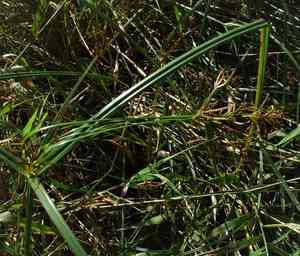
The most favorable period for transplanting english galingale spans from the onset of early spring's thaw to the mild temperatures of late spring, facilitating vigorous development. Select a bright spot featuring damp earth. Careful manipulation is crucial to safeguard its fragile root system.
What Preparations are Needed Before Transplanting English Galingale?
What is the Ideal Time for Transplanting English Galingale?
The optimal period for relocating english galingale spans from the beginning of spring to the approach of early summer. This timeframe promotes robust development, ensuring successful root establishment and prime growth. Choosing this interval for transplanting english galingale capitalizes on nature's renewal, imbuing plants with strong vitality. It creates a favorable setting where english galingale flourishes, its roots settling in gracefully before the intense summer heat envelops the garden.
How Much Space Should You Leave Between English Galingale Plants?
Greetings! When preparing to plant english galingale, a good guideline is to position them approximately 18-24 inches (45-60 cm) apart. This provides each english galingale ample room to thrive and guarantees proper air circulation. Rest assured, they will soon fill the area, creating a beautiful, dense display!
What is the Best Soil Mix for English Galingale Transplanting?
For the healthiest english galingale, prepare the soil to be moist and well-drained. Incorporating organic compost as a foundational fertilizer will give your english galingale an excellent start. There's no need to overdo itâjust a good blend into the topsoil will yield fantastic results!
Where Should You Relocate Your English Galingale?
Your english galingale would appreciate a location that receives a mix of sun and partial shade throughout the dayâideal for a bright yet not overly intense spot in your garden. Aim for an area that gets morning sun and filtered afternoon light to keep english galingale content!
What Equipments Should You Prepare Before Transplantation English Galingale?
Gardening Gloves
To safeguard your hands while handling soil and plants.
Spade or Shovel
For digging and lifting the root ball of english galingale.
Garden Fork
To loosen earth around the plant without harming its roots.
Watering Can or Hose
To hydrate the plant prior to and following transplantation.
Wheelbarrow or Plant Pot
For moving the plant from its initial spot to the new location.
Pruning Shears
To trim any damaged roots or leaves.
Mulch
To aid in retaining soil moisture and regulating temperature after transplant.
How Do You Remove English Galingale from the Soil?
How Do You Remove English Galingale from the Soil?
From Ground: Hydrate the english galingale to moisten the earth. Dig a wide trench around the plant, and insert a spade or shovel deeply into the soil to encompass the root system. Carefully lift the plant, preserving the root ball.From Pot: Start by watering the english galingale. Tilt the pot sideways and gently tap to loosen the plant and soil. Carefully slide the plant out, supporting the root ball with your hand.From Seedling Tray: Water the soil to make it pliable. Use a garden fork or spoon to gently lift the seedling while ensuring minimal root disturbance. Hold the seedling by its leaves, not its stem.
Step-by-Step Guide for Transplanting English Galingale
Preparation
Water your english galingale thoroughly before beginning. This will help lessen transplant shock and make the soil and roots more flexible.
Digging
Excavate a hole in your chosen site that is twice the width of the root ball and of the same depth to ensure the plant does not sit too low.
Root Pruning
Use pruning shears to cut away any dead or broken roots to encourage vigorous growth.
Placing english galingale
Carefully position english galingale in the center of the hole. The top of the root ball should be level with the surrounding ground.
Refilling Hole
Return soil around the root ball. Gently firm the soil as you proceed to eliminate air pockets but avoid over-compacting the soil.
Watering In
Water the plant immediately after planting. This helps settle the soil around the roots and aids in recovery from transplanting.
Mulching
Apply a layer of mulch around the base of english galingale to help retain moisture and deter weeds.
How Do You Care For English Galingale After Transplanting?
Watering
Keep the soil around english galingale consistently damp, but not waterlogged, for the initial weeks after transplanting to help establish strong roots.
Observation
Regularly inspect the plant for indications of stress such as wilting or yellowing leaves and take corrective measures if necessary.
Root Support
Avoid disturbing the soil near the roots of the newly transplanted english galingale to allow for proper root establishment.
Mulch Replacement
Replenish the mulch as it breaks down to continue providing moisture retention and temperature regulation for the english galingale.
Pruning
Trim any foliage that appears damaged or diseased after transplanting to focus the plant's energy on healthy growth.
Troubleshooting Common Issues with English Galingale Transplantation.
Why is my english galingale not thriving post-transplant?
Verify if it's planted at the correct depth and if the soil has adequate drainage. Insufficient water or nutrients can also be contributing factors.
When is the best time to transplant english galingale?
The optimal period for transplanting english galingale is from the start of early spring until late spring, allowing roots time to establish in cooler weather.
How far apart should I space english galingale when transplanting?
Space english galingale approximately 18-24 inches (45-60 cm) apart to ensure ample room for growth and air circulation.
What should I do if english galingale leaves turn yellow after transplanting?
Yellow leaves can indicate overwatering or shock. Allow the soil to dry between waterings and ensure it's well-draining.
How much sunlight does english galingale need after transplant?
English galingale thrives in full to partial sunlight. Ensure it receives at least 4-6 hours of direct sunlight daily.
How do I know if my english galingale is getting enough water after transplanting?
The soil should be moist but not saturated. Check moisture levels before watering to prevent overwatering which can lead to root problems.
Why are the roots of my english galingale rotting after transplanting?
Root rot results from overwatering or poor drainage. Ensure the soil drains effectively and avoid letting english galingale sit in waterlogged conditions.
Can I transplant english galingale in containers?
Absolutely, english galingale can be transplanted into containers. Use a pot that is sufficiently wide and has adequate drainage holes.
How do I prepare the soil for transplanting english galingale?
Amend the soil with organic matter to enhance nutrients and drainage. A balanced, slow-release fertilizer can also promote healthy growth.
What is the ideal temperature range for transplanting english galingale?
Transplant english galingale when the soil temperature is consistently above 50°F (10°C), but before it gets too warm in late spring.



