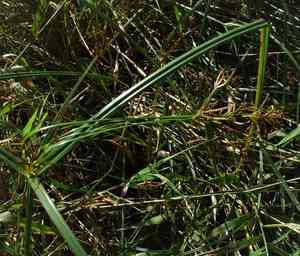
English galingale (Cyperus longus)
Also known as: Sweet galingale
English galingale is suitable for large garden ponds as its natural environment is wet or marshy areas. This plant is a fast-growing evergreen perennial that prefers dappled sun and avoids full shade. Its leaves are commonly used in basketry.
In This Article
Attributes of English galingale
Lifespan
Perennial
Plant Type
Grass
Plant Height
1.5 m
Spread
75 cm
Leaf Color
Green
Flower Size
7 mm to 2.5 cm
Flower Color
Brown Red
Images of English galingale
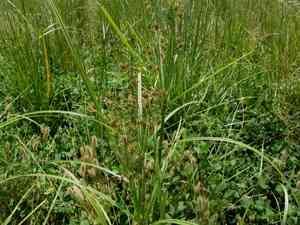
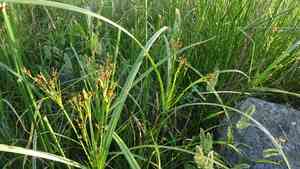
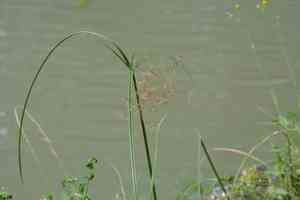
Quickly Identify English galingale
1
Cyperus longus can be identified by its tall, reed-like stems and its unique inflorescence, which consists of dense, cylindrical spikelets. The leaves are long and narrow, usually growing at the base.
Scientific Classification of English galingale
Phylum
Vascular plants
Class
Monocotyledons
Order
Poales
Family
Sedge
Genus
Nutgrasses
Species
English galingale
Planting and Growing of English galingale
Care Difficulty
Easy
Watering Schedule
Every 8 days
Sunlight Requirements
Full sun
Sunshine Duration
6-8 hours
Ideal Temperature
60-75℉
Soil Type
Potting Mix, Peat Mix
Soil pH
6.5-7.5
Fertilizer Type
Balanced
Pruning Season
Spring, Summer
Pruning Area
Branches, Leaves
Pruning Frequency
2 times a year
Repotting Season
Spring
Pot Type
Plastic, Ceramic
 How to Water English galingale?
Cyperus longus, commonly known as sweet galingale, thrives in moist conditions. Each watering session should aim to deeply saturate the soil, ensuring at least 500 ml of water per plant. This helps in imitating its natural marshy habitat, leading to healthy growth.
What are the symptoms of an underwatered English galingale?
›
What should I do if my English galingale is not getting enough water?
›
What are the symptoms of an overwatered English galingale?
›
How to save an overwatered English galingale?
›
 What Are the Sunlight Requirements for English galingale?
Cyperus longus requires partial to full sunlight, maximizing growth and vitality. Consistent moderate sun exposure ensures healthy foliage development and optimal energy conversion through photosynthesis.
More About Sunlight Requirements Techniques→
What is the ideal light intensity for Cyperus longus?
›
How can you ensure it gets the ideal lighting?
›
What benefits does ideal lighting provide for Cyperus longus?
›
 What Is the Ideal Temperature Range for English galingale?
Cyperus longus thrives best in temperatures between 60°F to 75°F. This range provides the plant with the ideal conditions to maintain healthy metabolic functions and stimulate growth. Keeping the plant within this temperature range helps ensure optimal photosynthesis, nutrient uptake, and overall health.
 What Soil is Best for English galingale?
Cyperus longus thrives in nutrient-rich soils that provide essential minerals that support vigorous growth. Rich soils contribute to lush foliage and strong root systems, ensuring the plant's longevity. While Cyperus longus prefers moist conditions, the soil must drain well to prevent waterlogging. This helps avoid root rot, allowing the roots to access both air and water efficiently, crucial for healthy growth. A slightly acidic to neutral pH range is ideal for Cyperus longus, facilitating nutrient uptake and ensuring optimal plant health. Correct pH levels prevent nutrient deficiencies and promote robust growth.
 How to Fertilize English galingale?
For Cyperus longus, a balanced approach to fertilization is crucial. Use a general-purpose liquid fertilizer mixed at half-strength, approximately 5 ml per liter of water, applied during the growing season. Over-fertilization can damage its delicate root system while under-fertilization leads to stunted growth.
 How to Prune English galingale?
Start by examining the plant for any dead, damaged, or discolored stems. Use sharp, clean pruning shears to snip these away at the base. Focus on thinning out overcrowded areas to promote air circulation and light penetration. Be careful not to over-prune; always retain some healthy foliage for photosynthesis.
More About Pruning Techniques→
 How to Propagate English galingale plant?
1
Fill the seed tray with a well-draining seed starting mix. Ensure it's moist but not waterlogged to facilitate quick germination when seeds are sown.
2
Evenly distribute the seeds on the surface of the seed tray. Press them gently into the soil mix. Avoid covering them with soil as they need light to germinate.
3
For division, carefully dig around the plant to lift the rhizome clumps. Split these sections ensuring each has roots and shoots, then replant them promptly.
 How to Repot English galingale plant?
1
Cyperus longus indicates the need for repotting when its roots overgrow the current pot, appearing through drainage holes or pushing towards the surface. Another sign is reduced plant growth or soil that dries out rapidly. Typically, check in early spring or summer when active growth is apparent for best results.
2
Opt for a pot that is one to two sizes larger than the current one. A pot made of porous material like terracotta with drainage holes is ideal. A larger pot accommodates growth and offers good drainage, preventing root rot and allowing for healthy root expansion. This ensures a thriving Cyperus longus.
3
Select a rich, loamy, well-draining soil mix to ensure optimal nutrient retention and moisture balance. This type of soil prevents waterlogging, supports healthy root function, and promotes vigorous growth. The loamy texture ensures the roots have enough air, reducing disease risk.
Learn More About English galingale Diseases
Anthracnose
Bacterial Leaf Spot
Bacterial Soft Rot
Bacterial Wilt
Chemical Injury
Damping-off
Downy Mildew
Drought Stress
Fusarium Wilt
Gray Mold
Leaf Spot
Mosaic
Nutrient Deficiency
Nutrient Toxicity
Powdery Mildew
Root Rot
Root-knot Nematode
Rusts
Sooty Mold
Spider Mites
Temperature Stress
Thrips Damage
White Mold



