How to Prune English galingale?
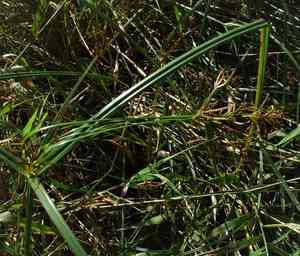
A persistent sedge featuring elevated stalks, English galingale flourishes in moist environments. Trim withered or discolored leaves in early spring or winter to preserve its vitality and look. During these ideal periods, its development is less vigorous, reducing strain. Consistent elimination of exhausted stems stimulates fresh growth, guaranteeing a thick, lively appearance. Trimming also aids in managing its expansion in garden environments, harmonizing natural beauty with upkeep.
What Are the Benefits of Pruning English Galingale?
What Are the Benefits of Pruning English Galingale?
Trimming english galingale promotes robust development by eliminating old stems, redirecting energy towards fresh growth. Consistent trimming also helps preserve its desired form, ensuring english galingale remains visually appealing and well-structured within the landscape.
What Is the Best Time for Pruning English Galingale?
What Is the Best Time for Pruning English Galingale?
Pruning or trimming english galingale is optimal in early spring as the plant prepares for its new growth cycle, ensuring it has the necessary energy to support new development and recover from any pruning stress. This timing allows for the removal of any winter-damaged or dead foliage, boosting the plant's vitality and aesthetic appeal. Winter is also appropriate, especially when the plant is dormant, for shaping and managing its size without disrupting its growth cycle. This off-season pruning can help deter diseases and pests that are more active during warmer periods. By pruning during these seasons, gardeners can help english galingale maintain a strong structure and encourage healthy growth patterns for the upcoming season.
What Tools Do I Need to Prune English Galingale?
Hand Pruners
Perfect for cutting the slender, grass-like foliage and simple trimming of english galingale.
Long-Handled Shears
These are suitable for shaping and maintaining the overall form of english galingale, especially for reaching into denser clumps.
Garden Scissors
Useful for more precise cutting or thinning of the sedge when detailed care is needed.
Pruning Saw
May be required for larger, woodier parts of the plant that occasionally develop at the base.
How to Prune English Galingale
Clean tools
Before beginning the pruning process for english galingale, sanitize all pruning tools to prevent disease transmission. Use a solution of 1 part bleach to 9 parts water or rubbing alcohol to thoroughly clean the blades.
Identify
Examine english galingale closely to identify diseased and withered leaves. Diseased leaves may show discoloration, spots, or signs of fungal growth, while withered leaves will appear dry and brown.
Cut diseased leaves
Carefully use the cleaned pruning shears to trim away diseased leaves from english galingale. Cut the leaves at their base where they meet the stem, taking care not to harm surrounding healthy growth.
Cut withered leaves
After removing diseased leaves, proceed to prune the withered leaves. Similarly, use the pruning shears to trim the withered leaves at their base, avoiding damage to the plant's healthy sections.
Dispose
Collect all removed diseased and withered leaves and dispose of them properly. Do not add them to the compost pile as they might harbor pathogens that can infect other plants.
Common Pruning Mistakes with English Galingale
Over-pruning
Removing too much foliage from english galingale can weaken the plant. It's important not to cut back more than one-third of the plant during a pruning session.
Using dull tools
Pruning english galingale with dull or unclean tools can damage the stems and potentially introduce disease to the plant. Always use sharp and sterilized pruning equipment.
Pruning without reason
Every cut should have a purpose, such as removing dead or diseased foliage, or shaping the plant. Unnecessary cuts can harm english galingale's health and growth.
Ignoring plant architecture
Failing to consider english galingale's natural growth pattern when pruning can lead to unbalanced or stunted growth. It's important to maintain the plant's natural shape.
Improper cut location
Cutting too far above or below nodes or not making angled cuts can hinder healing and promote disease in english galingale. Proper cut placement is crucial.
Common Pruning Tips for English Galingale
Targeted cutting
Focus on removing only dead or damaged stems of english galingale to maintain plant health. Make cuts just above leaf nodes to encourage new growth.
Cleaning pruning tools
Before and after pruning english galingale, clean the tools to prevent the spread of pests and diseases. Use alcohol or a 10% bleach solution to sterilize the tools.
Maintenance pruning
Regularly remove spent flowers and any overgrown stems to encourage english galingale to produce new flowers and maintain its shape.
Healing time
Allow sufficient time for english galingale to heal after pruning particularly before any stressful conditions like severe heat or cold, to avoid additional stress on the plant.
Observe then cut
Study english galingale's growth pattern before making cuts. This understanding will allow for strategic pruning that aligns with the plant's natural shape and vigor.



