How to Transplant Houghton's flatsedge?
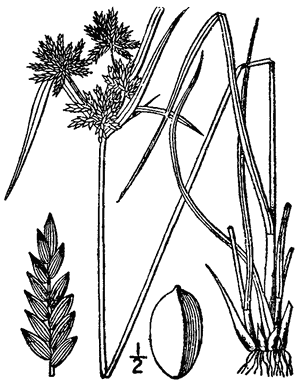
Houghton's flatsedge is most successfully relocated in the initial part of summer or winter, facilitating strong root establishment. Select locations that receive full sun to partial shade and possess soil that drains effectively. While resilient, it flourishes optimally when allowed sufficient time to anchor its roots prior to severe shifts in weather.
Essential Preparations Before Relocating Houghton's Flatsedge?
Optimal Timing for Moving Houghton's Flatsedge?
The best times to move houghton's flatsedge are early summer and early winter. Early summer offers warm soil, aiding root development, while early winter allows root establishment without intense sun. Transplanting during these periods promotes robust root growth, boosting plant resilience and vitality.
Recommended Spacing Between Houghton's Flatsedge Plants?
Ensure houghton's flatsedge are spaced approximately 12 inches (30 cm) apart. This distance provides ample room for each plant to flourish without competing for nutrients and water.
Ideal Soil Blend for Houghton's Flatsedge Relocation?
Prepare well-draining soil enriched with compost. A balanced, all-purpose fertilizer (e.g., 10-10-10) can be incorporated to enhance soil fertility and support houghton's flatsedge's development.
Optimal Location for Your Houghton's Flatsedge?
Select a site for houghton's flatsedge that receives full to partial sunlight, meaning it should get about 4-6 hours of sun daily. This helps the plant thrive and maintain its health.
Equipment Needed Before Transplanting Houghton's Flatsedge?
Gardening Gloves
To safeguard your hands while handling soil and plants.
Shovel or Spade
For digging and lifting the plant from its original spot.
Watering Can
To moisten the soil before and after the transplanting process.
Hand Trowel
For excavating smaller holes in the ground.
Pruning Shears
To trim any damaged roots or stems during the relocation.
Compost or Organic Matter
For enriching the soil at the new planting site.
How to Extract Houghton's Flatsedge from the Soil?
How to Extract Houghton's Flatsedge from the Soil?
From Ground: First, hydrate the houghton's flatsedge plant to moisten the soil. Next, dig a wide trench around the plant using a shovel or spade, ensuring the plant's root ball remains intact. Carefully work the spade beneath the root ball to lift the plant from its original position.From Pot: Gently tap the pot's sides to loosen the soil. Place your hand over the soil surface with the plant stem between your fingers, then invert the pot and carefully ease the plant out. Ensure the root ball stays intact.From Seedling Tray: Carefully water the seedlings to facilitate removal. Use a hand trowel to gently lift the seedlings from the tray, making sure to include a small amount of surrounding soil with the root ball.
Step-by-Step Guide for Relocating Houghton's Flatsedge
Site Preparation
Clear the new planting area of any weeds or debris. Use a shovel or hand trowel to dig a hole that is twice the width and the same depth as the houghton's flatsedge plant's root ball.
Soil Preparation
Incorporate some compost or organic matter into the soil of the new hole to enrich it.
Transplanting the Plant
Place the houghton's flatsedge plant into the hole, ensuring the top of the root ball is level with the surrounding soil surface. Backfill the hole with soil, gently firming it around the plant.
Initial Watering
Thoroughly water the newly transplanted houghton's flatsedge to help the soil settle around the roots.
Mulching
Apply a layer of mulch around the base of the houghton's flatsedge plant to help retain soil moisture and suppress weeds.
Post-Transplant Care for Houghton's Flatsedge?
Watering
Keep the soil around the houghton's flatsedge consistently moist, but not waterlogged, for the first few weeks after transplanting to aid in strong root establishment.
Monitoring
Regularly check the plant for any indications of stress or wilting. Adjust watering as needed based on the plant's condition and weather.
Addressing Common Issues with Houghton's Flatsedge Relocation.
When is the best time to move houghton's flatsedge?
Early summer or early winter is the ideal period for relocating houghton's flatsedge.
How much space should I leave between each moved houghton's flatsedge?
Maintain a spacing of 12 inches (30 cm) between each houghton's flatsedge for optimal growth.
What soil type is best for relocating houghton's flatsedge?
Well-draining, sandy or loamy soil is perfect for moving houghton's flatsedge.
How deep should I plant houghton's flatsedge during relocation?
Plant houghton's flatsedge at the same depth it was in its original location.
What is the ideal watering schedule for relocated houghton's flatsedge?
Water houghton's flatsedge thoroughly after transplanting and keep the soil consistently moist for a few weeks.
How do I prepare the new site for houghton's flatsedge?
Clear the site of weeds, enrich the soil with compost, and ensure good drainage.
What should I do if houghton's flatsedge shows signs of transplant shock?
Reduce direct sunlight exposure and keep the soil moist to help houghton's flatsedge recover from transplant shock.
Can I fertilize houghton's flatsedge right after relocating?
Wait a few weeks before fertilizing houghton's flatsedge to allow it to settle in the new location.
Should I prune houghton's flatsedge before relocating?
Trim any damaged or dead leaves before transplanting to encourage healthy new growth.
How do I handle the roots when relocating houghton's flatsedge?
Be gentle with the roots, avoiding damage, and spread them out in the new hole.



