How to Transplant Yellow flatsedge?
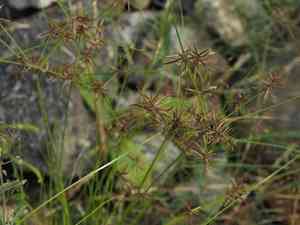
For yellow flatsedge, the most favorable period for relocation extends from the revitalizing phase of early to mid-spring, guaranteeing vigorous development. These specimens flourish in damp, adequately drained areas receiving abundant solar exposure. Careful manipulation of the root system during transplantation aids in their prosperous integration.
What Preparations are Needed Before Transplanting Yellow Flatsedge?
What is the Ideal Time for Transplanting Yellow Flatsedge?
Moving yellow flatsedge from late winter to mid-spring provides the best conditions for strong development. During this mild period, roots flourish without summer heat, ensuring a vibrant, healthy plant.
How Much Space Should You Leave Between Yellow Flatsedge Plants?
Hello, aspiring gardener! To allow your yellow flatsedge ample room to thrive, aim for some clearance between each specimen. Let's target 6-10 inches (15-25 cm) to keep them comfortable and flourishing!
What is the Best Soil Mix for Yellow Flatsedge Transplanting?
For your yellow flatsedge, let's settle them into their new home with a soil mixture that drains well. The perfect bed? Loamy soil, with a beneficial scattering of balanced slow-release fertilizer to promote vigorous growth!
Where Should You Relocate Your Yellow Flatsedge?
Sunlight benefits your yellow flatsedge, so let's locate a bright spot that receives partial to full sun exposure. An area that is illuminated by the sun's rays for most of the day will keep your yellow flatsedge thriving and content!
What Equipments Should You Prepare Before Transplantation Yellow Flatsedge?
Shovel or Spade
For excavating the yellow flatsedge and creating a new planting site.
Gardening Gloves
To safeguard your hands while handling soil and the plant.
Watering Can or Hose
To hydrate the yellow flatsedge prior to and following transplantation.
Wheelbarrow or Plant Caddy
To move the yellow flatsedge from one spot to another if it is large.
Gardening Trowel
For more precise work on the root ball or in confined areas.
Pruning Shears
To trim any compromised roots or foliage.
Soil Knife or Horihori
To assist in detaching the plant from its current container or ground.
Mulch
To aid in retaining soil moisture after transplanting.
How Do You Remove Yellow Flatsedge from the Soil?
How Do You Remove Yellow Flatsedge from the Soil?
From Ground: Start by irrigating the yellow flatsedge to make the soil easier to manage. Using a shovel or spade, dig a wide circle around the plant to avoid harming the root system. Gently leverage beneath the plant to lift it out, ensuring as much soil as possible remains attached to the roots.From Pot: Water the yellow flatsedge to moisten the roots before beginning. Turn the container on its side and gently tap to loosen the soil's grip. Grasp the plant's base and carefully extract it. If the plant is root-bound, you can use a soil knife to aid removal without damaging the roots.From Seedling Tray: Moisten the soil in the tray to prevent root damage. Use a gardening trowel or your fingers to carefully lift each yellow flatsedge seedling by its leaves, not the stem, to prevent injury. Support the base of the seedling as you take it from the tray.
Step-by-Step Guide for Transplanting Yellow Flatsedge
Preparation
Thoroughly water the yellow flatsedge before beginning the transplant to ensure the roots are hydrated.
Digging Up
Use the shovel or spade to dig around the yellow flatsedge, maintaining a safe distance from the main stem to protect the roots. Gently lift the plant, preserving the root ball.
Hole Preparation
At the new site, excavate a hole twice as wide as the root ball but only as deep to prevent planting the specimen too low.
Transplanting
Position the yellow flatsedge in the new hole, carefully spreading out the roots. Backfill the hole with soil and press down lightly to eliminate air pockets.
Watering
Water the yellow flatsedge thoroughly after planting to settle the soil and assist with recovery from transplant shock.
Mulching
Apply a layer of mulch around the base of the yellow flatsedge to keep the soil moist and to regulate temperature fluctuations.
How Do You Care For Yellow Flatsedge After Transplanting?
Watering
Gradually decrease watering frequency as the yellow flatsedge establishes, while still maintaining consistent moisture, especially in the weeks immediately following transplantation.
Root Health
Observe the yellow flatsedge for indications of transplant shock, such as wilting or yellowing leaves, and take corrective action by adjusting care as needed.
Pruning
Trim any damaged or dead leaves and stems to direct the yellow flatsedge's energy towards developing new roots.
Staking
If the yellow flatsedge is tall or appears unstable, use plant stakes to support it until the root system is strong enough to hold it upright independently.
Troubleshooting Common Issues with Yellow Flatsedge Transplantation.
When is the best time to transplant yellow flatsedge?
The optimal period for relocating yellow flatsedge is during the awakening of spring, from its early to late stages.
How far apart should I space yellow flatsedge when transplanting?
Ensure a separation of 6-10 inches (15-25 cm) between yellow flatsedge for ideal growth and air circulation.
Why is my transplanted yellow flatsedge wilting after planting?
Wilting may be due to stress. Ensure the roots are adequately hydrated and initially avoid direct sunlight.
What kind of soil works best for transplanting yellow flatsedge?
A well-draining, fertile loam is perfect for yellow flatsedge. It thrives when the soil is not overly compacted.
How deep should the hole be for transplanting yellow flatsedge?
The excavation should be slightly larger than the root ball, allowing roots to spread comfortably.
What should I do if yellow flatsedge shows signs of transplant shock?
Keep the soil moist and provide shade for a few days. Refrain from using fertilizers until recovery is evident.
Can I transplant yellow flatsedge when itâs blooming?
It is preferable to transplant yellow flatsedge before or after flowering to minimize stress and optimize growth.
What's the right way to water yellow flatsedge after transplanting?
Water deeply to encourage root establishment, but prevent waterlogging by ensuring proper drainage.
How can I tell if my yellow flatsedge got enough water after transplanting?
The soil should be moist but not saturated. Check by feeling the soil an inch below the surface.
Is it necessary to prune yellow flatsedge when transplanting?
Pruning is not required. Focus on establishing the plant. Only prune if there is damaged foliage.



