How to Prune Yellow flatsedge?
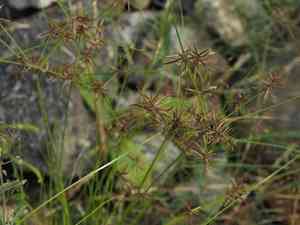
A persistent sedge that flourishes in moist environments, Cyperus esculentus benefits from strategic trimming to preserve its vitality and aesthetic appeal. Cut back aged or discolored leaves near the soil line, and eliminate flower heads to deter uncontrolled dissemination. The most effective period for pruning spans from Spring to Autumn, coinciding with its active development stages. Consistent trimming improves air circulation, manages excessive growth, and fosters thicker foliage, thereby boosting the plant's robustness and decorative qualities.
Advantages of Trimming Yellow Flatsedge
Advantages of Trimming Yellow Flatsedge
Trimming yellow flatsedge promotes robust development by reallocating energy to vital plant components. It also assists in maintaining its desired form, thereby enhancing yellow flatsedge's overall visual appeal in the landscape.
Optimal Time for Trimming Yellow Flatsedge
Optimal Time for Trimming Yellow Flatsedge
Trimming or cutting back yellow flatsedge in Spring stimulates vigorous new growth as the plant emerges from its dormant winter period. Early Summer pruning is beneficial for removing spent blooms or seed heads, thus redirecting energy towards strong growth and shape retention. Late Fall trimming prepares yellow flatsedge for dormancy by eliminating any dead or dying foliage, which can decrease disease risk and encourage robust spring growth. Avoid pruning in late summer, as new growth might not harden before potential frost.
Necessary Tools for Trimming Yellow Flatsedge
Sharp Scissors or Hand Pruners
For yellow flatsedge, which typically lacks very thick or woody stems, sharp scissors or bypass hand pruners are perfect for making clean cuts on the plant's slender stems, helping to preserve plant health by reducing the chance of disease entering through ragged cuts.
Gardening Gloves
Given that yellow flatsedge may possess sharp edges on its foliage, it is advisable to wear gardening gloves to safeguard your hands during the pruning process. This ensures safety while handling the plant.
Long-Handled Shears
If yellow flatsedge is planted in a dense cluster or in a hard-to-reach spot, long-handled shears can provide the necessary extra reach. This tool aids in trimming the tops and shaping the plant while standing upright, which is more comfortable for the gardener.
Waste Container or Bag
Collecting the trimmings in a container or bag as you prune yellow flatsedge will help keep the work area tidy and allow for easy disposal of the plant material after pruning.
How to Trim Yellow Flatsedge
CleanEquip
Before beginning, ensure that the pruning shears or scissors are clean and sharp to prevent disease transmission and to make precise cuts on yellow flatsedge.
LocateWithered
Carefully inspect yellow flatsedge to find withered leaves that are brown, yellowing, or otherwise show signs of decay or damage.
CutLeaves
Using the prepared shears or scissors, trim the withered leaves at their base where they connect to the main stem or plant base, being careful not to harm new growth or healthy leaves.
CollectDebris
Gently remove and gather all the cut leaves around yellow flatsedge to lessen the risk of pests and diseases that might thrive in decaying plant material.
DisposeDebris
Dispose of the collected withered leaves or add them to a compost pile if they are free from pests and diseases.
Common Trimming Errors with Yellow Flatsedge
Over-pruning
Removing too much foliage at once can stress yellow flatsedge, leading to poor plant health and stunted development.
Improper cut locations
Cutting too close or too far from the base can harm yellow flatsedge, as it may hinder proper healing and encourage disease.
Using dull tools
Dull pruning shears can cause jagged cuts that are detrimental to yellow flatsedge's health, making it more vulnerable to pests and diseases.
Ignoring dead material
Failing to remove dead or yellowing blades from yellow flatsedge can lead to an accumulation of decaying material, which can attract pests and foster disease.
Uneven pruning
Trimming yellow flatsedge unevenly can result in a lopsided appearance and can also negatively impact the plant's balance and growth.
General Trimming Advice for Yellow Flatsedge
Sharp tools
Always use sharp, clean pruning shears to ensure clean cuts that heal quickly, minimizing stress on yellow flatsedge.
Consistent maintenance
Regularly inspect yellow flatsedge for dead or damaged blades and remove them to maintain health and aesthetics.
Correct cut location
Make cuts on yellow flatsedge's blades approximately 1/4 inch above the base or crown to promote regrowth without harming the plant's core.
Thin overcrowded areas
Thin out crowded areas of yellow flatsedge to improve air circulation and light penetration, which encourages healthy growth.
Aftercare
After pruning yellow flatsedge, provide adequate water and nutrients to aid recovery, ensuring the plant remains robust and can focus energy on new growth.



