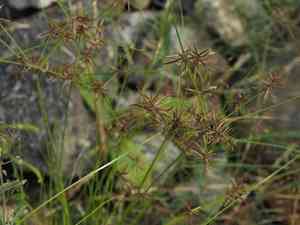
Yellow flatsedge (Cyperus flavidus)
Also known as: Yellow Nut Sedge, Yellow Sedge
Yellow flatsedge (Cyperus esculentus) is a tufted, three-angled herb that can be either annual or perennial. It typically grows in moist environments such as wetlands, riverbanks, and agricultural fields. The plant flourishes from late spring through summer and is commonly found at various altitudes. Often confused with Cyperus flavescens, yellow flatsedge features shorter nuts.
In This Article
Attributes of Yellow flatsedge
Lifespan
Annual, Perennial
Plant Type
Grass
Plant Height
7 cm to 50 cm
Spread
N/A
Leaf Color
Bright Green
Flower Size
5 cm
Flower Color
Yellow Purple Brown
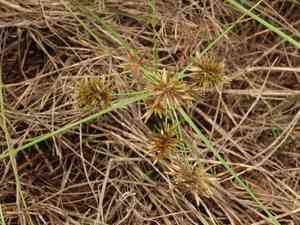
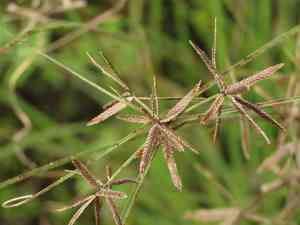
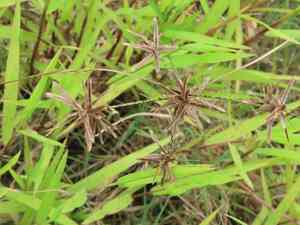
Images of Yellow flatsedge
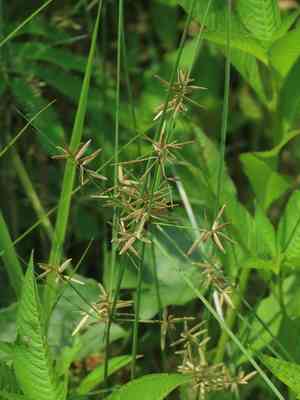
Quickly Identify Yellow flatsedge
1
Cyperus flavidus can be identified by its bright green, triangular stems, and cluster of yellowish-brown spikelets at the top of flowering stalks. The leaves are usually short and emanate from the base of the stems.
Scientific Classification of Yellow flatsedge
Phylum
Vascular plants
Class
Monocotyledons
Order
Poales
Family
Sedge
Genus
Nutgrasses
Species
Yellow flatsedge
Planting and Growing of Yellow flatsedge
Care Difficulty
Easy
Watering Schedule
Every 4 days
Sunlight Requirements
Partial sun
Sunshine Duration
4-8 hours
Ideal Temperature
65-75℉
Soil Type
Potting Mix, Peat Mix
Soil pH
6-7.5
Fertilizer Type
Balanced
Pruning Season
Spring, Summer
Pruning Area
Branches, Leaves
Pruning Frequency
2 times a year
Repotting Season
Spring
Pot Type
Plastic, Ceramic
 How to Water Yellow flatsedge?
Cyperus flavidus thrives best when its soil is consistently moist but not waterlogged. Each watering should be around 300 ml, providing enough moisture to allow the soil to stay damp without creating standing water. The key is to ensure the top inch of the soil is moist, like a well-wrung sponge, promoting healthy growth.
What are the symptoms of an underwatered Yellow flatsedge?
›
What should I do if my Yellow flatsedge is not getting enough water?
›
What are the symptoms of an overwatered Yellow flatsedge?
›
How to save an overwatered Yellow flatsedge?
›
 What Are the Sunlight Requirements for Yellow flatsedge?
Partial to full sunlight exposure within 4 to 6 hours daily enhances photosynthesis, fortifies structural integrity, and enhances the overall health and appearance of Cyperus flavidus.
What kind of light does Cyperus flavidus prefer?
›
How can I provide ideal lighting for Cyperus flavidus?
›
What benefits does ideal lighting bring to Cyperus flavidus?
›
 What Is the Ideal Temperature Range for Yellow flatsedge?
The ideal temperature range for Cyperus flavidus cultivation generally falls between 65°F and 75°F. This range ensures optimal growth by providing the plant with warmth conducive to active metabolism and photosynthesis. Maintaining this temperature range helps in preventing stress and promoting vibrant foliage. It's important to regularly monitor the environment, especially during seasonal transitions, to keep the temperatures within this ideal range.
 What Soil is Best for Yellow flatsedge?
Cyperus flavidus thrives in well-drained soil that prevents waterlogging, essential for root aeration and preventing root rot. This quality allows it to absorb nutrients effectively, promoting healthy growth and prolific foliage. The plant flourishes in soil with moderate nutrient content, offering essential elements for growth without overwhelming its delicate root system. Balanced nutrition supports lush foliage and vigorous development. Consistent soil moisture is crucial, ensuring the plant doesn't suffer from drought stress. Adequate moisture levels support steady growth and maintain the plant's vibrant green color.
 How to Fertilize Yellow flatsedge?
For Cyperus flavidus, apply liquid fertilizer at a rate of half to one teaspoon per gallon of water. This plant is sensitive to over-fertilization, so it's crucial to start at the lower end and observe plant response before increasing the dosage.
 How to Prune Yellow flatsedge?
Ensure that your cutting tools, such as pruning shears or scissors, are sharp and sterilized before starting to prune Cyperus flavidus. This minimizes the risk of infection and ensures clean incisions. Begin by inspecting the plant for any withering stems or discolored leaves. Gently separate healthy stems to reach those that need removal. Align your tool near the base and make a swift, clean cut to eliminate unwanted growth. Collect the cut stems and leaves immediately as leaving them around the plant could lead to fungal infections. Dispose of them away from the garden to prevent any disease from spreading.
More About Pruning Techniques→
 How to Propagate Yellow flatsedge plant?
1
Start by selecting a healthy, mature Cyperus flavidus plant. Water the plant thoroughly a day before division to ensure the roots are hydrated, which makes them more resilient during the division process.
2
Carefully dig around the plant with a garden trowel to lift it out of the soil, making sure to retain as much of the root ball as possible. Use pruning shears to divide the root ball into sections, ensuring each section has roots and shoots.
3
Replant each division in a pot or garden space with appropriate soil and moisture conditions. Press the soil firmly around the roots to eliminate air pockets and water immediately after planting to settle the soil.
 How to Repot Yellow flatsedge plant?
1
Repot Cyperus flavidus when you observe roots emerging from the drainage holes or if the growth has slowed substantially. Another signal is when the plant seems to outgrow its current pot, with leaves drooping over the sides.
2
Choose a pot that is about 2 inches larger in diameter than the current one to accommodate growth. Ensure it has adequate drainage holes to prevent waterlogging, which could lead to root rot, allowing the plant to thrive in its new environment.
3
Opt for a loamy, well-draining soil to prevent compaction and allow for adequate aeration, promoting healthy root development. This soil type also retains some moisture without becoming easily waterlogged, balancing the water needs of Cyperus flavidus.



