How to Transplant Yellow flatsedge?
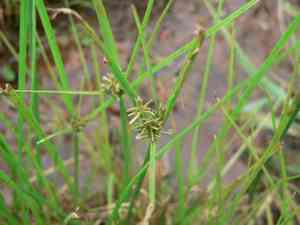
The ideal period for transplanting your yellow flatsedge is from the lively part of mid-spring through the beginning of summer's heat. Select a bright location featuring soil that drains effectively to guarantee its successful establishment.
What Preparations are Needed Before Transplanting Yellow Flatsedge?
What is the Ideal Time for Transplanting Yellow Flatsedge?
The optimal period for relocating yellow flatsedge spans from mid to late spring. This season offers mild temperatures and abundant sunlight, fostering an ideal setting for yellow flatsedge's root establishment. Furthermore, the soil is typically warm and manageable, promoting healthier development post-transplant. This timing also precedes summer's intense heat, allowing yellow flatsedge ample time to acclimate before high-temperature stress. Additionally, increasing daylight hours in spring support the plant's photosynthetic requirements, ensuring a strong growth phase. Moving yellow flatsedge during this window maximizes survival rates and encourages vigorous growth, making it a smart horticultural decision.
How Much Space Should You Leave Between Yellow Flatsedge Plants?
Before placing yellow flatsedge in their new location, ensure proper spacing. Aim for approximately 6-8 inches (15-20 cm) between each plant. This provides sufficient room for them to thrive without competing for light or nutrients.
What is the Best Soil Mix for Yellow Flatsedge Transplanting?
To give yellow flatsedge an excellent start, provide well-drained soil enriched with a balanced, slow-release fertilizer. Consider this a nourishing meal for your plants as they develop.
Where Should You Relocate Your Yellow Flatsedge?
Choose a sunny location where yellow flatsedge can receive at least 6 hours of daily sunlight. Consistent light will keep them vibrant and growing robustly. Just like us, plants benefit from ample sunshine to flourish!
What Equipments Should You Prepare Before Transplantation Yellow Flatsedge?
Gardening Gloves
To safeguard your hands while handling soil and plants.
Shovel or Spade
For digging around and carefully lifting the plant.
Watering Can
To pre-moisten the original site and the new planting area.
Wheelbarrow or Plant Caddy
To move the plant from its initial spot to the new one without damage.
Pruners or Sharp Knife
To carefully trim any damaged roots.
Measuring Tape
To ensure accurate planting depth and spacing.
How Do You Remove Yellow Flatsedge from the Soil?
How Do You Remove Yellow Flatsedge from the Soil?
From Ground: Start by watering the area around the yellow flatsedge to soften the soil. Using your shovel or spade, dig a wide trench around the plant, aiming to keep as much of the root ball intact as possible. Slide the tool under the root ball and gently lift the plant from its position.From Pot: Thoroughly water the yellow flatsedge. Turn the pot on its side, hold the plant by its base, and tap the bottom to dislodge it. If the plant doesn't come out easily, run a knife along the inner edge of the pot to free the roots and try again.From Seedling Tray: Water each cell to ensure root hydration. Use a small implement, such as a dibber or a pencil's end, to push from the bottom and carefully lift the seedling out of its cell. Be cautious of the delicate roots to prevent harm.
Step-by-Step Guide for Transplanting Yellow Flatsedge
Prepare the New Site
Aerate the soil in the new location to create a welcoming bed for the yellow flatsedge's roots. Ensure the hole is twice the width of the root ball and of equal depth.
Root Ball Inspection
Before placing yellow flatsedge in the ground, examine the root ball. Trim away any damaged roots to encourage fresh growth.
Plant Positioning
Gently place the yellow flatsedge into the hole. The top of the root ball should be level with the surrounding soil surface.
Fill the Hole
Backfill the hole with soil, gently firming it around the root ball to secure the plant and eliminate any air pockets.
Water Generously
After planting, thoroughly water the yellow flatsedge to settle the soil and hydrate the roots.
How Do You Care For Yellow Flatsedge After Transplanting?
Watering
Provide ample water to the yellow flatsedge, especially during its initial growing season. The goal is to maintain consistent soil moisture.
Mulching
Apply a layer of mulch around the base of the yellow flatsedge to help retain soil moisture and regulate temperature.
Weeding
Keep the area around the yellow flatsedge free of weeds that can compete for nutrients and water.
Monitoring
Watch for signs of transplant shock, such as wilted or discolored leaves, and address any issues promptly.
Troubleshooting Common Issues with Yellow Flatsedge Transplantation.
What's the best time to transplant yellow flatsedge?
The ideal time to transplant yellow flatsedge is during the prime period of mid to late spring when conditions favor growth.
How far apart should I space yellow flatsedge during transplanting?
Allow yellow flatsedge to thrive by spacing them 6-8 inches (15-20 cm) apart, providing ample room for development.
Why are my transplanted yellow flatsedge wilting?
Wilting may indicate transplant shock. Ensure careful handling and consistent moisture levels post-transplant.
Is it necessary to water yellow flatsedge immediately after transplanting?
Absolutely! Water yellow flatsedge generously right after transplanting to help roots settle and minimize transplant stress.
How deep should I plant yellow flatsedge during transplanting?
Plant yellow flatsedge at the same depth as they were in their previous container, to provide a familiar growing environment.
What kind of light does yellow flatsedge need after transplanting?
Post-transplant, yellow flatsedge thrives in bright, indirect light. Excessive direct sunlight can stress the newly planted yellow flatsedge.
Should I fertilize yellow flatsedge after transplanting?
Allow yellow flatsedge to acclimate for a few weeks post-transplant before introducing fertilizer to encourage robust growth.
How do I choose the best soil for transplanting yellow flatsedge?
Select well-draining soil rich in organic matter to provide yellow flatsedge with an optimal growth foundation.
Can I transplant yellow flatsedge on a rainy day?
Transplanting yellow flatsedge on a lightly rainy day can be beneficial, offering natural hydration and a cooler environment.
Why isn't my transplanted yellow flatsedge growing?
Check for compacted roots, poor soil conditions, or insufficient water and light as potential causes for yellow flatsedge's stunted growth.



