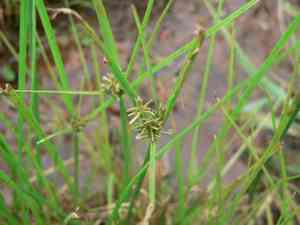
Yellow flatsedge (Cyperus flavescens)
Also known as: Yellow Flatsedge, Yellow Cyperus
The name "yellow flatsedge" originates from its yellowish spikelets, which have a slight golden tint. This plant is commonly found in wet and disturbed areas throughout North America and is recognized as a mild allergen.
In This Article
Attributes of Yellow flatsedge
Lifespan
Annual
Plant Type
Grass
Plant Height
48 cm
Spread
N/A
Leaf Color
Yellowish-green
Flower Size
1 cm to 3 cm
Flower Color
Yellow Green
Images of Yellow flatsedge
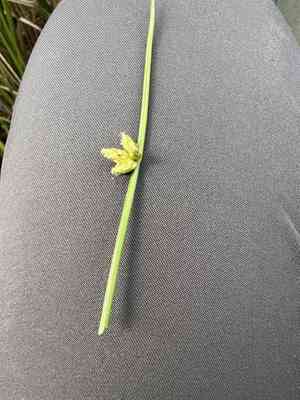
Quickly Identify Yellow flatsedge
1
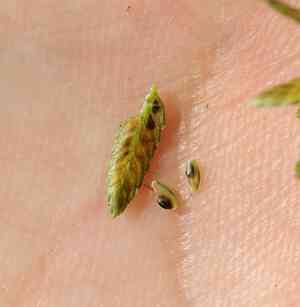
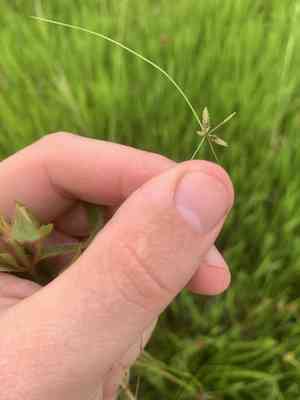
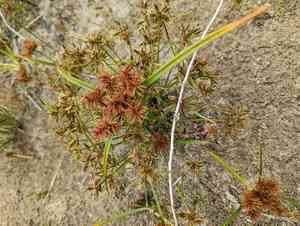
Cyperus flavescens can be identified by its yellowish-green, slender, grass-like leaves and small, yellowish-brown spikelets. The plant usually grows close to the ground in tufts.
Scientific Classification of Yellow flatsedge
Phylum
Vascular plants
Class
Monocotyledons
Order
Poales
Family
Sedge
Genus
Nutgrasses
Species
Yellow flatsedge
Planting and Growing of Yellow flatsedge
Care Difficulty
Easy
Watering Schedule
Every 8 days
Sunlight Requirements
Partial sun
Sunshine Duration
4-6 hours
Ideal Temperature
68-77℉
Soil Type
Potting Mix, Peat Mix
Soil pH
6.5-7.5
Fertilizer Type
Balanced
Pruning Season
Spring, Summer
Pruning Area
Branches, Leaves
Pruning Frequency
2 times a year
Repotting Season
Spring
Pot Type
Plastic, Ceramic
 How to Water Yellow flatsedge?
The watering amount for Cyperus flavescens should be approximately 250 milliliters per session. Ensure the soil remains consistently moist but not waterlogged. A good rule of thumb is to water until you notice excess moisture starting to seep out from the drainage holes of the pot.
What are the symptoms of an underwatered Yellow flatsedge?
›
What should I do if my Yellow flatsedge is not getting enough water?
›
What are the symptoms of an overwatered Yellow flatsedge?
›
How to save an overwatered Yellow flatsedge?
›
 What Are the Sunlight Requirements for Yellow flatsedge?
Partial sun exposure is ideal, with Cyperus flavescens benefitting from gentle morning light. This ensures balanced photosynthesis and avoids the hassle of leaf scorch.
More About Sunlight Requirements Techniques→
What is the optimal light condition for Cyperus flavescens?
›
How to achieve this lighting condition?
›
What benefits result from ideal lighting?
›
 What Is the Ideal Temperature Range for Yellow flatsedge?
The ideal temperature range for Cyperus flavescens is between 68°F and 77°F. These temperatures mimic the warm, moderate climates this plant thrives in, promoting optimal growth and health. Maintaining this range ensures that the plant's physiological processes function smoothly, including photosynthesis and respiration.
 What Soil is Best for Yellow flatsedge?
Cyperus flavescens thrives in soil that can retain moisture effectively. This requirement ensures that the plant has enough water supply even in hotter conditions, helping to prevent wilting or dehydration. A nutrient-rich soil is essential for Cyperus flavescens as it provides the necessary minerals and nutrients for optimal growth. This allows the plant to maintain lush, green foliage and promotes robust health. While moisture retention is important, the soil must also have good drainage to prevent waterlogging, which can lead to root rot. This balance ensures the plant receives adequate water without the risk of overwatering.
 How to Fertilize Yellow flatsedge?
Cyperus flavescens requires a balanced approach to fertilizer application. It is advisable to use a 10-10-10 NPK liquid fertilizer, at a dilution of one tablespoon per gallon of water. Ensure the soil absorbs the nutrients efficiently.
 How to Prune Yellow flatsedge?
While it is beneficial to trim your Cyperus flavescens, be cautious not to remove more than one-third of the plant at any given time, as this could stress the plant and impede its growth. During pruning, inspect your plant for signs of pests or disease. Addressing these issues early can prevent more serious problems down the line, ensuring your plant remains healthy.
More About Pruning Techniques→
 How to Propagate Yellow flatsedge plant?
1
Gather seeds from the mature Cyperus flavescens plant. It's crucial to dry them adequately before planting. Use seed trays filled with a mixture of quality potting soil to sow the seeds and lightly cover them with soil.
2
During early spring, carefully dig up the plant and identify the clumps. Use a sharp knife or spade to divide the clumps, ensuring each division has enough roots and shoots to grow independently. Replant the divisions immediately.
3
After sowing the seeds or replanting the divisions, water them gently to keep the soil moist but not waterlogged. Place them in an area with adequate sunlight, as Cyperus flavescens thrives in bright, indirect light.
 How to Repot Yellow flatsedge plant?
1
Cyperus flavescens signals it's time for a new pot when its roots begin to circle the pot's perimeter or push through drainage holes. Repot in spring or summer, when the plant's growth is most vigorous, ensuring it can quickly establish in its fresh surroundings. Optimal timing ensures minimal stress and promotes vibrant health.
2
Choose a pot slightly larger in diameter, preferably terracotta or ceramic, which allows better air circulation and moisture control. This ensures the roots don't become waterlogged and promote a healthier root system. A pot with good drainage holes prevents standing water, which is crucial for preventing root rot in Cyperus flavescens.
3
Opt for a rich, well-draining loam mixed with organic matter like peat or compost. This soil type provides essential nutrients while maintaining proper drainage, crucial for preventing Cyperus flavescens' roots from sitting in water, which could lead to rot. A balanced nutrient environment supports robust growth and glowing greenery.
Learn More About Yellow flatsedge Diseases
Anthracnose
Bacterial Leaf Spot
Bacterial Soft Rot
Bacterial Wilt
Chemical Injury
Damping-off
Downy Mildew
Drought Stress
Fusarium Wilt
Gray Mold
Leaf Spot
Mosaic
Nutrient Deficiency
Nutrient Toxicity
Powdery Mildew
Root Rot
Root-knot Nematode
Rusts
Sooty Mold
Spider Mites
Temperature Stress
Thrips Damage
White Mold



