How to Prune Yellow flatsedge?
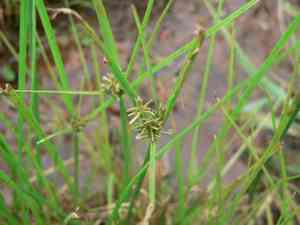
This water-loving perennial, characterized by its three-sided stalks, flourishes in marshy environments. To achieve peak development, trim away any withered or discolored leaves throughout the spring, summer, or autumn seasons. Make cuts near the soil line to stimulate fresh sprouts. Trimming preserves the plant's well-being and visual appeal; occasional cutting back can also manage its expansion. Always use sanitized, sharp cutting tools to avoid spreading pathogens. Regular trimming aids yellow flatsedge by promoting more compact growth and minimizing detritus, which helps keep aquatic pathways clear in its native surroundings.
Advantages of Trimming Yellow Flatsedge
Advantages of Trimming Yellow Flatsedge
Trimming yellow flatsedge promotes robust development by fostering new shoots, leading to denser foliage. Regular cutting helps manage its size and shape for a refined look, enhancing the plant's visual appeal.
Optimal Time for Pruning Yellow Flatsedge
Optimal Time for Pruning Yellow Flatsedge
Spring pruning stimulates vigorous new growth following winter dormancy. It enables yellow flatsedge to direct energy into producing fresh leaves and maintaining a desired form. Late Summer trimming is effective for curbing unwanted spread and can be beneficial for removing any faded blooms, improving appearance and preventing self-seeding if present. Early Fall trimming prepares yellow flatsedge for winter by eliminating any dead or dying foliage, which could harbor pests or diseases, while ensuring the plant doesn't enter dormancy stressed or overly dense. It's crucial to avoid late Fall pruning as this can encourage new growth that won't adequately harden before winter frosts.
Necessary Tools for Pruning Yellow Flatsedge
Hand Pruners
Perfect for making clean cuts on yellow flatsedge's thinner stems to remove dead or damaged foliage. Hand pruners allow for precision, which is important to prevent unnecessary harm to the plant.
Gardening Shears
Useful for trimming and shaping yellow flatsedge when it becomes overgrown. As yellow flatsedge has a grass-like structure, the long blades of shears can uniformly cut the sedge's slender leaves.
Grass Clippers
For minor touch-ups and upkeep of yellow flatsedge, grass clippers can be particularly effective for quickly snipping off unwanted blade tips or tidying up the plant's appearance.
How to Prune Yellow Flatsedge
Clean tools
Before beginning, sterilize your pruning tools with a diluted bleach solution to prevent the spread of disease to yellow flatsedge.
Identify
Carefully examine yellow flatsedge to locate any withered leaves that need to be removed, taking care not to harm the healthy ones.
Trim withered
Using sharp scissors or pruning shears, snip the withered leaves at their base where they meet the main stem or soil line of yellow flatsedge.
Dispose
Discard the removed withered leaves far from yellow flatsedge to prevent the potential spread of pests or diseases.
Care post trim
Water yellow flatsedge lightly if the soil is dry and continue with regular care, avoiding overwatering which could lead to more withered leaves.
Common Pruning Errors with Yellow Flatsedge
Over-pruning
Removing too much foliage from yellow flatsedge can stress the plant and lead to stunted growth or reduced vigor. Over-pruning can also increase susceptibility to diseases and pests.
Improper cuts
Making cuts too close or too far from the base of yellow flatsedge's stems can injure the plant or cause uneven regrowth. Incorrect cutting technique can also damage the plant's structure.
Removing too many new shoots
New shoots on yellow flatsedge are essential for its growth and development. Cutting off too many new shoots can limit its potential for healthy expansion and floral display.
Disregarding plant health
Pruning yellow flatsedge when it shows signs of stress, disease, or pests can exacerbate its condition and hamper recovery efforts.
Using unclean tools
Pruning with tools that are not sterilized can introduce or spread diseases to yellow flatsedge, compromising its health.
Common Pruning Tips for Yellow Flatsedge
Clean and sharp tools
Use sterilized and sharp pruning shears to ensure clean cuts that heal quickly, reducing the chance of disease entry in yellow flatsedge.
Cut at an angle
When reducing the height of yellow flatsedge's stems, make angled cuts just above a leaf node to encourage water runoff and new growth.
Thinning out
Thin out crowded areas of yellow flatsedge by selectively removing whole stems at the base to improve air circulation and light penetration, which promotes overall plant health.
Maintenance trimming
Perform regular maintenance trimming to remove dead or yellowing leaves and spent flower stems, encouraging yellow flatsedge to direct energy towards new, healthy growth.
Shape and structure
While yellow flatsedge does not typically require strict shaping, maintaining a natural appearance and preventing overgrowth will keep it looking tidy and may enhance its ornamental appeal.



