How to Transplant Woodrush flatsedge?
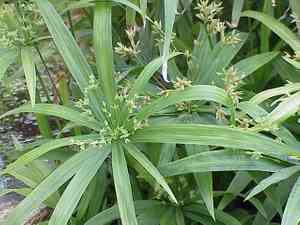
For Cyperus 1, the ideal periods for planting extend from the vigor of late spring's warmth to the threshold of summer's onset, or when autumnal shades transition into the coolness of early winter. Select a location that provides abundant humidity and filtered sunlight. A helpful suggestion: confirm the soil drains effectively to accommodate its root system.
What Preparations are Needed Before Transplanting Woodrush Flatsedge?
What is the Ideal Time for Transplanting Woodrush Flatsedge?
The optimal period for relocating woodrush flatsedge spans from the peak of spring through early summer, or as autumn transitions into early winter. This carefully selected timeframe promotes strong root development, aligning with the plant's natural growth cycle for healthy progression. Choosing this window for transplanting ensures woodrush flatsedge's best adaptation to a new site, benefiting from milder temperatures and favorable soil conditions. By strategically selecting these cooler yet growth-supportive intervals, gardeners provide woodrush flatsedge the greatest chance to flourish in its new home.
How Much Space Should You Leave Between Woodrush Flatsedge Plants?
Begin by identifying the perfect spot in your garden, making sure to provide each woodrush flatsedge ample room to thrive. Aim for a separation of approximately 15-30 cm (6-12 inches) between plants. This ensures each plant has sufficient space to grow without competing for nutrients.
What is the Best Soil Mix for Woodrush Flatsedge Transplanting?
Prepare a comfortable bed for your woodrush flatsedge by selecting a soil type that drains well and is rich in organic material. Before transplanting, incorporate a balanced, slow-release fertilizer to give your woodrush flatsedge a nutritional boost. This establishes the perfect growing conditions for them to prosper.
Where Should You Relocate Your Woodrush Flatsedge?
Locate a bright area where your woodrush flatsedge can enjoy the sun! While they appreciate ample sunlight, they also benefit from some shade. Choose a spot that receives plenty of sun but is also protected from the most intense midday rays, especially in warmer climates.
What Equipments Should You Prepare Before Transplantation Woodrush Flatsedge?
Gardening Gloves
To safeguard your hands while handling soil and plants.
Spade or Shovel
For carefully digging out the woodrush flatsedge plant without harming its roots.
Watering Can or Hose
To hydrate the woodrush flatsedge plant before and after the relocation process.
Wheelbarrow or Garden Cart
To move the woodrush flatsedge plant from one spot to another, if required.
Pruning Shears
To trim any damaged roots or foliage during transplantation.
Trowel
To assist in digging the new hole for the woodrush flatsedge and refining the planting area.
Mulch
To help maintain soil moisture levels after transplanting.
How Do You Remove Woodrush Flatsedge from the Soil?
How Do You Remove Woodrush Flatsedge from the Soil?
From Ground: First, moisten the woodrush flatsedge plant to dampen the soil. Then, carefully dig a wide trench around the plant using a shovel or spade, going deep enough to encompass most of the root ball. Use the spade to gently pry the root ball, slowly easing the plant out of the ground.From Pot: Water the woodrush flatsedge to ensure the soil is damp and the roots are flexible. Turn the pot on its side, hold the plant gently by its base, and tap the bottom of the pot to loosen it. Slide the woodrush flatsedge out of the pot while supporting the root ball.From Seedling Tray: Water the seedlings thoroughly before transplanting. Use a trowel or your fingers to carefully lift each individual woodrush flatsedge plant, taking care not to disturb or break the roots. Support the root ball as you remove it from the tray.
Step-by-Step Guide for Transplanting Woodrush Flatsedge
Prepare the Plant
Water the woodrush flatsedge thoroughly the day before transplanting to minimize shock and make the roots more manageable.
Dig the New Hole
Excavate a hole in the ground twice the size of the root ball to allow the roots to spread out.
Removal from Original Location
Using the detailed method above, carefully extract the woodrush flatsedge from its initial spot, taking special care not to harm the root ball.
Placement
Position the woodrush flatsedge into the new hole at the same depth it was in its previous location. Ensure the plant is upright and centered.
Fill In Soil
Backfill the hole with soil, gently firming it around the woodrush flatsedge to eliminate any air pockets.
Water Immediately
Thoroughly water the woodrush flatsedge to settle the soil and help reduce transplant shock.
How Do You Care For Woodrush Flatsedge After Transplanting?
Monitoring
Regularly check the soil's moisture levels and ensure the woodrush flatsedge does not dry out, without overwatering. Water deeply and less frequently to encourage robust root growth.
Pruning
Trim any damaged or diseased foliage to direct the woodrush flatsedge's energy towards root development.
Mulching
Apply a layer of mulch around the base of the woodrush flatsedge, avoiding direct contact with the stem, to conserve moisture and inhibit weed growth.
Protection
If pests or wildlife might disturb the woodrush flatsedge, consider using protective barriers or organic deterrents.
Troubleshooting Common Issues with Woodrush Flatsedge Transplantation.
When is the best time of year to transplant woodrush flatsedge?
The optimal transplanting seasons for woodrush flatsedge are late spring to early summer or from late fall to early winter.
What spacing is ideal when transplanting woodrush flatsedge?
Position woodrush flatsedge 6-12 inches (15-30 cm) apart to provide ample growth room and ensure proper air circulation.
How much should I water woodrush flatsedge after transplanting?
Water woodrush flatsedge generously immediately after transplanting, then maintain consistent moisture until the plant is well-established.
How deep should I plant woodrush flatsedge during transplantation?
The root ball of woodrush flatsedge should be planted at the same depth it was growing previously.
Why is my woodrush flatsedge wilting after transplanting?
Wilting may occur due to transplant shock. Ensure adequate watering and shield woodrush flatsedge from extreme conditions.
Can I use fertilizer when transplanting woodrush flatsedge?
Wait a few weeks before applying a balanced fertilizer to avoid burning the roots of woodrush flatsedge.
Should I prune woodrush flatsedge before transplanting?
Pruning is not typically necessary for woodrush flatsedge, but removing dead or damaged foliage can be beneficial.
What type of soil is best for transplanting woodrush flatsedge?
Plant woodrush flatsedge in well-draining soil enriched with organic matter to encourage healthy root growth.
How do I avoid transplant stress for woodrush flatsedge?
Transplant woodrush flatsedge on a cloudy day or in the evening and water well to reduce stress and wilting.
Can I transplant woodrush flatsedge during hot weather?
It's best to avoid transplanting woodrush flatsedge in the heat. If unavoidable, provide shade and extra water to prevent stress.



