How to Prune Woodrush flatsedge?
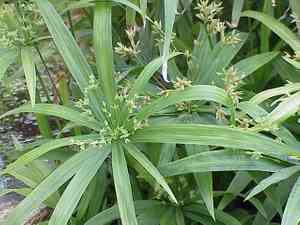
Distinguished by its clustered, grass-like foliage, woodrush flatsedge is typically trimmed for visual appeal or to eliminate withered leaves. The optimal time for trimming is in early spring or during winter, when development is at its lowest. Employ sharp cutting tools to cut back to just above the ground, fostering robust new development. Consistent trimming aids in preserving the plant's vitality and prevents excessive expansion in cultivated areas, ensuring woodrush flatsedge retains its appealing appearance without altering its inherent structural shape.
What Are the Benefits of Pruning Woodrush Flatsedge?
What Are the Benefits of Pruning Woodrush Flatsedge?
Trimming woodrush flatsedge promotes vigorous development and maintains its desired form. Strategic cuts can rejuvenate the plant, ensuring energy is directed towards strong growth, and helps shape the plant, keeping it visually appealing and well-structured.
What Is the Best Time for Pruning Woodrush Flatsedge?
What Is the Best Time for Pruning Woodrush Flatsedge?
Trimming woodrush flatsedge in early spring aligns with the period just before the start of its rapid growth phase, typically in late spring and early summer. This timing allows the plant to recover quickly from cuts and encourages robust new growth that can be guided and controlled. Pruning in early spring also helps eliminate any damaged or dead foliage from winter, ensuring the plant's energy is focused on healthy development. Winter pruning is also suitable, especially in late winter, as the plant is dormant, minimizing stress and the risk of disease infection through pruning wounds. This period is ideal for significant trimming, shaping, or removing larger sections of the plant, preparing woodrush flatsedge for strong springtime growth. It is crucial to avoid cutting back woodrush flatsedge during its active growth period from late spring through summer or during its flowering period to prevent disrupting its natural growth cycle and compromising its health or ornamental value.
What Tools Do I Need to Prune Woodrush Flatsedge?
Hand Pruners
Perfect for making precise cuts on woodrush flatsedge. They are excellent for snipping through stems and leaves with ease, which is advantageous given woodrush flatsedge's grass-like foliage.
Grass Shears
Woodrush flatsedge is a sedge, so grass shears are well-suited to trim its edges neatly, helping to maintain shape without harming the plant.
Long-Handled Loppers
For reaching into denser clumps of woodrush flatsedge and cutting thicker stems that hand pruners cannot manage.
Pruning Saw
Useful for removing old, tough stems of woodrush flatsedge that have become woody with age and require more cutting force.
How to Prune Woodrush Flatsedge
Identify
Examine woodrush flatsedge closely to pinpoint diseased and withered leaves. Look for any leaves that are discolored, have spots, or appear dry and brittle.
Disinfect
Before making any cuts, sanitize your pruning tools with alcohol or a bleach solution to prevent the spread of disease to healthy parts of woodrush flatsedge.
Trim diseased
Carefully remove diseased leaves by cutting them off at the base where they meet the stem or next to the closest healthy leaf. Ensure cuts are clean and precise to avoid damaging woodrush flatsedge.
Trim withered
Prune withered leaves in the same manner as diseased ones, cutting them off at their base or above any visible growth points to encourage new growth.
Cleanup
Gather and dispose of all trimmed leaves to reduce the likelihood of disease spread. Clean the area around woodrush flatsedge to maintain a tidy environment.
Common Pruning Mistakes with Woodrush Flatsedge
Over-pruning
Removing too much foliage from woodrush flatsedge at once can stress the plant, slow its growth, and make it vulnerable to diseases.
Using dull tools
Dull pruning tools can damage the stems of woodrush flatsedge, leading to jagged cuts that are more susceptible to infection.
Ignoring dead material
Failing to remove dead or dying foliage can hinder new growth and potentially spread disease throughout woodrush flatsedge.
Pruning without purpose
Trimming woodrush flatsedge without a clear objective or understanding of the plant's growth pattern can result in an undesirable shape and impede its natural growth habit.
Neglecting tool hygiene
Not sanitizing tools between cuts and plants can spread pests and diseases to woodrush flatsedge.
Common Pruning Tips for Woodrush Flatsedge
Sharp clean tools
Use sharp and clean pruning shears to make clean cuts on woodrush flatsedge, which will heal more quickly and reduce the risk of disease.
Focused pruning
Concentrate on removing dead or diseased foliage and stems to maintain the health and aesthetic appearance of woodrush flatsedge.
Appropriate intensity
Prune woodrush flatsedge with a moderate hand, ensuring not to remove more than one-third of the plant at a time to maintain its vitality.
Natural shape
Follow the natural shape of woodrush flatsedge when pruning to encourage a more pleasing and healthy growth pattern.
Consider plant health
Consider the overall health of woodrush flatsedge before pruning and adjust your approach if the plant shows signs of stress or sickness.



