How to Transplant Dwarf umbrella grass?
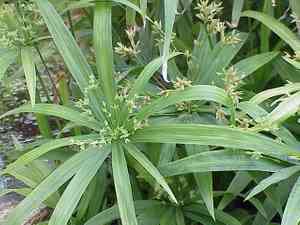
For dwarf umbrella grass, the ideal period for transplanting is from late spring to early summer, a time of vigorous development, allowing roots to settle prior to colder weather. Choose a damp, brightly illuminated spot, and handle the root mass carefully to avoid shock.
What Preparations are Needed Before Transplanting Dwarf Umbrella Grass?
What is the Ideal Time for Transplanting Dwarf Umbrella Grass?
Moving dwarf umbrella grass during the pleasant period of mid-spring to early summer ensures root establishment prior to intense heat. This timeframe offers optimal mild temperatures and soil warmth, fostering robust root development for dwarf umbrella grass, setting the stage for a thriving growth season. Gently introduce dwarf umbrella grass to its new location once frost danger has passed and the soil is warm; this provides an ideal beginning for a healthy life. This opportune transplanting window leverages the season's supportive conditions, building resilience in dwarf umbrella grass before summer's full intensity.
How Much Space Should You Leave Between Dwarf Umbrella Grass Plants?
Allow your dwarf umbrella grass ample room to thrive! Aim for a spacing of approximately 6-8 inches (15-20 cm) between plants. This ensures each plant can expand and grow without competing for nutrients or sunlight.
What is the Best Soil Mix for Dwarf Umbrella Grass Transplanting?
For a flourishing dwarf umbrella grass, incorporate fertile, well-draining soil with a touch of organic compost. Beginning with a balanced, slow-release fertilizer will provide a nourishing boost for your green companions!
Where Should You Relocate Your Dwarf Umbrella Grass?
Select a location where your dwarf umbrella grass can enjoy partial shade or filtered sunlight. These conditions mimic its natural environment and will help it flourish without excessive direct sun!
What Equipments Should You Prepare Before Transplantation Dwarf Umbrella Grass?
Gardening Gloves
To safeguard your hands while handling soil and plants.
Shovel or Spade
For digging around and carefully lifting the plant from its current spot.
Wheelbarrow or Plant Dolly
To move the plant if it's large or being relocated a significant distance.
Watering Can or Hose
For hydrating the plant before and after the transplanting process.
Pruning Shears
To trim any dead or excess foliage prior to transplanting.
Trowel
For adjusting the new planting hole and adding or removing soil.
Mulch
To help retain moisture and regulate soil temperature around the new planting area.
How Do You Remove Dwarf Umbrella Grass from the Soil?
How Do You Remove Dwarf Umbrella Grass from the Soil?
From Ground: First, moisten the dwarf umbrella grass plant to dampen the soil. Then, excavate a wide trench around the plant using a shovel or spade, ensuring the plant's root ball remains intact. Carefully work the spade beneath the root ball to extract the plant from its original position.From Pot: Begin by watering the dwarf umbrella grass plant in its container. Gently tilt the pot and tap the bottom to loosen the plant. Gradually ease the plant out, taking care not to pull forcefully on the stems or leaves.From Seedling Tray: Water the dwarf umbrella grass seedlings and use a trowel or your fingers to gently separate them from their compartments. Hold the seedlings by their leaves, not their delicate stems, to prevent damage.
Step-by-Step Guide for Transplanting Dwarf Umbrella Grass
Preparation
Thoroughly water the dwarf umbrella grass plant a day before transplanting to ensure the roots are well-hydrated.
Digging the Hole
At the chosen ground location, excavate a hole twice as wide and to the same depth as the plant's root ball.
Root Preparation
Inspect the dwarf umbrella grass plant's roots, removing any damaged or circling roots to encourage outward growth post-transplant.
Placing the Plant
Carefully position the dwarf umbrella grass plant in the center of the hole, ensuring it's at the same depth it was originally grown to prevent stem rot.
Backfilling
Fill the hole with native soil, gently firming around the base to provide support and eliminate air pockets.
Watering In
Water the dwarf umbrella grass plant gently but deeply after planting to settle the soil around the roots and help reduce transplant shock.
Mulching
Apply a layer of mulch around the base of the dwarf umbrella grass plant, avoiding direct contact with the stem, to maintain moisture and temperature levels.
How Do You Care For Dwarf Umbrella Grass After Transplanting?
Regular Watering
Ensure the soil around the dwarf umbrella grass plant remains consistently moist, as steady hydration is crucial for new transplants.
Mulching
Check and maintain the mulch layer to conserve water and keep the soil temperature stable.
Pruning
Trim away any dead or damaged foliage to help the dwarf umbrella grass plant direct its energy into establishing new roots.
Monitoring
Keep an eye on the dwarf umbrella grass plant's health, watching for signs of stress, such as leaf wilting or discoloration, and adjust care as necessary.
Troubleshooting Common Issues with Dwarf Umbrella Grass Transplantation.
When is the best time to transplant dwarf umbrella grass?
Relocate dwarf umbrella grass during late spring to early summer when the weather is mild.
How far apart should dwarf umbrella grass be spaced when transplanting?
Space dwarf umbrella grass approximately 6-8 inches (15-20 cm) apart to allow for growth and air circulation.
What's the ideal soil type for transplanting dwarf umbrella grass?
Dwarf umbrella grass thrives in moist, well-draining soil rich in organic matter.
How deep should I plant dwarf umbrella grass?
Plant dwarf umbrella grass so that the top of the root ball is level with the surrounding soil surface.
Should I water dwarf umbrella grass immediately after transplanting?
Yes, water dwarf umbrella grass generously right after transplanting to help settle the soil around its roots.
What should I do if dwarf umbrella grass wilts after transplanting?
Provide shade and keep the soil moist. Dwarf umbrella grass may wilt as it adapts to its new location.
Why are the leaves of dwarf umbrella grass turning yellow after transplanting?
Yellowing leaves could indicate stress, overwatering, or a need for fertilizer. Evaluate each factor carefully.
How do I prepare the dwarf umbrella grass's planting site?
Create a hole wide enough for the root spread, enrich the soil with compost, and ensure proper drainage.
Can I use a growth stimulant when transplanting dwarf umbrella grass?
Yes, a root growth stimulant can assist, but it isn't essential for dwarf umbrella grass's successful transplantation.
What type of mulch is best for dwarf umbrella grass after transplanting?
Use an organic mulch like bark or straw to conserve moisture and regulate soil temperature.



