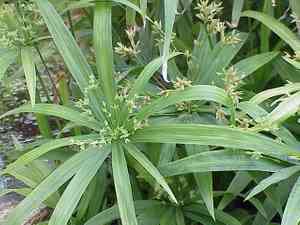
Dwarf umbrella grass (Cyperus diffusus)
Also known as: none
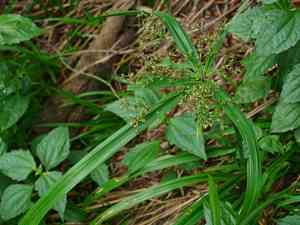
Dwarf umbrella grass (Cyperus albostriatus) is a compact, perennial sedge known for its unique, umbrella-like leaf arrangement. This plant has thin, bright green leaves that radiate from the top of slender, triangular stems, creating a visually striking pattern. In the summer, it produces delicate, tufted flower spikes.
This plant prefers moist, well-drained soils and thrives in partial to full shade. It naturally occurs in wetlands, along the edges of streams, and in shaded garden areas. Its robust root system makes it effective for soil stabilization and erosion control, making it a practical choice for garden landscapes and natural water features.
In This Article
Attributes of Dwarf umbrella grass
Lifespan
Perennial
Plant Type
Grass
Plant Height
30-80 cm
Spread
N/A
Leaf Color
Green
Flower Size
N/A
Flower Color
Yellow Green
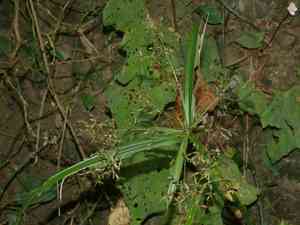
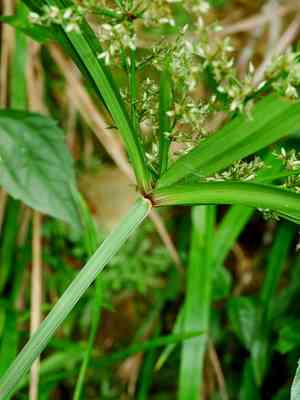
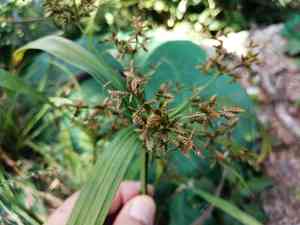
Images of Dwarf umbrella grass
Quickly Identify Dwarf umbrella grass
1
Look for grass-like leaves and small, clustered spikelets. Typically found in wet, marshy areas.
Scientific Classification of Dwarf umbrella grass
Phylum
Vascular plants
Class
Monocotyledons
Order
Poales
Family
Sedge
Genus
Nutgrasses
Species
Dwarf umbrella grass
Planting and Growing of Dwarf umbrella grass
Care Difficulty
Easy
Watering Schedule
Every 3 days
Sunlight Requirements
Partial sun
Sunshine Duration
6-8 hours
Ideal Temperature
65-77℉
Soil Type
Potting Mix, Peat Mix
Soil pH
6.5-7.5
Fertilizer Type
Balanced
Pruning Season
Spring, Summer
Pruning Area
Branches, Leaves
Pruning Frequency
2 times a year
Repotting Season
Spring
Pot Type
Plastic, Ceramic
 How to Water Dwarf umbrella grass?
Cyperus diffusus requires moderate watering. The ideal amount is around 250 milliliters per session. Ensure the soil is thoroughly moist but not waterlogged. It’s important to allow the top layer to dry slightly before the next watering to prevent root rot.
What are the symptoms of an underwatered Dwarf umbrella grass?
›
What should I do if my Dwarf umbrella grass is not getting enough water?
›
What are the symptoms of an overwatered Dwarf umbrella grass?
›
How to save an overwatered Dwarf umbrella grass?
›
 What Are the Sunlight Requirements for Dwarf umbrella grass?
Cyperus diffusus thrives best in partial sun, where it receives 4 to 6 hours of light daily. Proper lighting ensures active growth, richer leaf color, and overall vitality.
What is the ideal lighting condition for Cyperus diffusus?
›
How can you achieve ideal light conditions for Cyperus diffusus?
›
What benefits does Cyperus diffusus gain from ideal lighting?
›
 What Is the Ideal Temperature Range for Dwarf umbrella grass?
Cyperus diffusus thrives in environments where the temperature is consistently between 65°F to 77°F. This range provides optimal growing conditions that encourage healthy growth and development. It ensures that the plant's metabolic processes occur efficiently, leading to robust and vibrant foliage.
 What Soil is Best for Dwarf umbrella grass?
Cyperus diffusus thrives in soil that allows excess water to drain away quickly but also retains sufficient moisture. This helps prevent root rot while ensuring that the plant receives ample hydration, crucial for its lush growth. To flourish, this plant benefits from soil enriched with organic matter, which is vital for providing essential nutrients. Nutrient-rich soil supports robust plant growth, resulting in healthier foliage and more vibrant development. Maintaining adequate moisture in the soil is key to the optimal growth of Cyperus diffusus. Consistent moisture ensures that the plant's water needs are met, which is essential for avoiding stress and promoting lush, green leaves.
 How to Fertilize Dwarf umbrella grass?
Cyperus diffusus requires moderate fertilization. Generally, a balanced 10-10-10 liquid fertilizer is recommended, using approximately 1 teaspoon per gallon of water. It is essential not to over-fertilize, as this could damage the plant’s root system and hinder growth.
 How to Prune Dwarf umbrella grass?
Start by removing any dead or diseased stems. These should be cut back to their base, where healthy growth begins. This step is crucial for promoting overall plant health. Next, focus on maintaining the plant's desired shape. Trim back overgrown stems lying flat, as this species tends to spread. Aim to create a harmonious round or fan-like shape. To encourage new growth, trim the tops of the healthiest stems slightly. This promotes branching and results in a fuller plant. Pay particular attention to areas where you want denser growth. After pruning, collect and dispose of all cuttings to prevent potential pest infestations or diseases spreading. Compost them if healthy, or discard diseased material appropriately.
More About Pruning Techniques→
 How to Propagate Dwarf umbrella grass plant?
1
Choose a healthy, well-established Cyperus diffusus plant. Ensure the plant has multiple stems and a robust root system to withstand the stress of division.
2
Carefully dig around the base of the plant. Using a knife or spade, divide the plant into sections, each containing roots and shoots. Be gentle to minimize root damage.
3
Plant the divisions in well-draining soil. Water them thoroughly to settle the soil around the roots. Ensure each division has space to grow without competition.
 How to Repot Dwarf umbrella grass plant?
1
Cyperus diffusus typically needs repotting when roots begin to encircle the pot or poke through drainage holes. Early spring or summer is ideal as the plant enters its growth cycle, allowing it to adapt to its new environment with vigor.
2
Choose a pot 2-3 inches larger in diameter than the current one, with ample drainage holes to prevent waterlogging. A slightly larger pot promotes healthy root expansion and reduces the risk of root rot, ensuring better plant growth.
3
Opt for a well-draining, loamy soil mix rich in organic matter. This soil type allows for efficient water drainage while retaining essential nutrients, preventing waterlogging and root diseases common in denser soils.



