The Dwarf umbrella grass Plant Advantage: Maximizing Home and Office Appeal and Wellness
1
Dwarf umbrella grass serves as a superb natural water cleanser.
2
This adaptable plant flourishes in both water-based and land-based settings.
3
Dwarf umbrella grass is recognized for its ability to cleanse the air.
How Does Dwarf umbrella grass Purify Water?
Natural Filtration Abilities
A remarkable characteristic of Dwarf umbrella grass is its inherent capacity to cleanse water. This plant effectively eliminates pollutants like heavy metals and organic contaminants from aquatic environments. By absorbing these detrimental substances, it plays a vital role in sustaining healthy water ecosystems.
Applications in Constructed Wetlands
Dwarf umbrella grass finds extensive use in engineered wetlands, where its inherent filtering capabilities are fully utilized. These wetlands are artificial environments designed to replicate natural wetland functions, and Dwarf umbrella grass aids in purifying wastewater by breaking down and absorbing pollutants. This makes it a valuable asset in sustainable water management practices.
Reducing Eutrophication
Eutrophication, the excessive concentration of nutrients in water bodies, frequently leads to harmful algal blooms. Dwarf umbrella grass can help alleviate this problem by absorbing surplus nutrients, such as nitrogen and phosphorus, from water, thereby preventing excessive algal growth. This not only keeps water bodies clear but also improves the overall health of aquatic life.
Why is Dwarf umbrella grass Ideal for Both Aquatic and Terrestrial Environments?
Versatility in Growth Conditions
Dwarf umbrella grass is a highly adaptable plant, capable of flourishing in both aquatic and land-based settings. Whether submerged in water, situated in moist soils, or planted in drier areas, it thrives with minimal attention. This adaptability makes it an excellent choice for various landscaping and ecological restoration endeavors.
Resilience and Low Maintenance
Beyond its versatility, Dwarf umbrella grass is recognized for its hardiness and minimal care requirements. It can endure a range of environmental conditions, from heavy rainfall to drought. Its capacity to adapt and survive with little human intervention makes it perfect for eco-conscious gardeners and those seeking sustainable plant options.
What Are the Air-Purifying Benefits of Dwarf umbrella grass?
Improving Indoor Air Quality
Indoor air pollution is a common concern, but Dwarf umbrella grass can help address this issue. The plant has been shown to absorb airborne toxins such as formaldehyde, benzene, and xylene, which can contribute to poor indoor air quality. By incorporating Dwarf umbrella grass into your home decor, you can enjoy cleaner, fresher air.
Enhancing Mental Well-being
The presence of plants, including Dwarf umbrella grass, in indoor spaces has been linked to psychological advantages such as reduced stress and increased productivity. Plants enhance the quality of the air you breathe, leading to a healthier and more pleasant living environment. This makes Dwarf umbrella grass not only a functional addition to your space but also a contributor to a better quality of life.
Practical Uses for Dwarf umbrella grass in Your Home and Garden
Decorative Applications
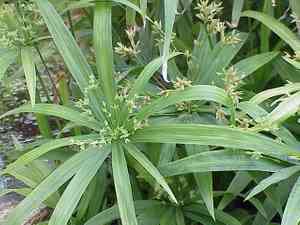
Dwarf umbrella grass is not only functional but also visually appealing. Its lush, green foliage adds a touch of nature to any setting, whether used as a potted plant indoors, in garden borders, or in aquatic features like ponds and water gardens. Its attractive appearance can enhance the beauty of your home and garden.
Erosion Control
In garden and landscaping projects, Dwarf umbrella grass can play a crucial role in preventing soil erosion. Its root system helps stabilize soil and prevent it from being washed away during heavy rains. Planting Dwarf umbrella grass on slopes or along the edges of water bodies can help maintain soil integrity while adding greenery to your outdoor space.
How Can You Integrate Dwarf umbrella grass into Sustainable Landscaping?
Creating Eco-friendly Gardens
Sustainable landscaping focuses on developing gardens that benefit the environment and conserve resources. Dwarf umbrella grass is an excellent candidate for such projects due to its low maintenance needs and positive environmental impact. When used thoughtfully, it can contribute to creating gardens that require less water, reduce pollution, and support biodiversity.
Complementing Native Plant Species
Integrating Dwarf umbrella grass with other indigenous plant species can enhance your garden's natural beauty and ecological balance. Native plants are typically well-adapted to local conditions, and Dwarf umbrella grass can coexist harmoniously with them, providing mutual benefits. This practice not only supports local wildlife but also creates a more resilient and diverse garden ecosystem.



