How to Transplant Coastal plain flatsedge?
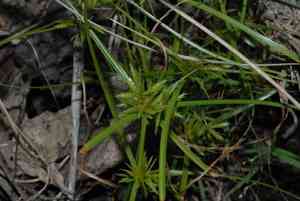
Coastal plain flatsedge transplantation flourishes most effectively when settled into its new spot between the revitalizing warmth of late spring and mid-summer. Select bright areas featuring soil that drains efficiently. Maintain a calm environment, guaranteeing minimal disruption to the roots for peak development.
Essential Preparations Before Relocating Coastal Plain Flatsedge
Optimal Period for Relocating Coastal Plain Flatsedge?
The best time to move coastal plain flatsedge is from the warmth of late spring through the heart of summer. These months provide an ideal balance of extended daylight and moderate temperatures, fostering healthy root development without the intense heat of mid-summer. Furthermore, transplanting coastal plain flatsedge during this window allows it to flourish and fully utilize the growing season's potential, ensuring a vibrant display of greenery. A friendly reminder: This is the prime opportunity for successful planting, so be ready to introduce coastal plain flatsedge to your garden during this time! Imagine how coastal plain flatsedge will thrive with nature's perfect combination of ample sun and gentle rains—it's the ideal chance to guarantee a strong beginning for these charming plants.
Recommended Spacing Between Coastal Plain Flatsedge Plants?
When relocating your coastal plain flatsedge, aim to provide each plant ample room to flourish. Position them approximately 6-12 inches (15-30 cm) apart. This spacing will ensure they have sufficient area to grow without competing for nutrients and sunlight.
Ideal Soil Mixture for Coastal Plain Flatsedge Relocation?
Prepare a welcoming environment for your coastal plain flatsedge by utilizing well-drained soil. Enhance the garden bed with compost to establish a nutrient-rich foundation. A balanced fertilizer, such as a 10-10-10 NPK formula, will give your coastal plain flatsedge the best start, so mix it into the soil prior to planting.
Optimal Location for Your Coastal Plain Flatsedge?
Choose a sunny spot for your coastal plain flatsedge, where it will receive direct sunlight for the majority of the day. These plants thrive in sun, so a location with at least 6 hours of daily sunlight will result in very happy coastal plain flatsedge.
Tools Required Before Relocating Coastal Plain Flatsedge
Gardening Gloves
To safeguard your hands while handling soil and coastal plain flatsedge.
Trowel
For digging and refining the planting hole.
Shovel or Spade
For efficiently excavating the plant and the new planting site.
Watering Can or Hose with a Gentle Spray Setting
To hydrate the coastal plain flatsedge before and after relocation.
Wheelbarrow or Garden Cart
To transport the coastal plain flatsedge and any soil or compost.
Pruning Shears
To carefully trim any damaged roots or foliage.
Mulch
To aid in moisture retention and weed suppression around the new location.
Method for Extracting Coastal Plain Flatsedge from the Soil?
Method for Extracting Coastal Plain Flatsedge from the Soil?
From Pot: Start by watering the coastal plain flatsedge to facilitate easier removal. Turn the pot on its side, grasp the plant's base, and gently tap the bottom to loosen it. Slide the plant out, taking care not to pull on the stems or leaves.From Seedling Tray: Water the seedlings to ensure the soil is moist. Use a trowel or your fingers to carefully lift each coastal plain flatsedge from its compartment, handling it by the leaves rather than the more delicate stem.From Ground: First, moisten the soil around the coastal plain flatsedge to minimize root damage. With a shovel, dig around the plant at a safe distance from the base to avoid cutting into the root ball. Carefully pry underneath to lift the coastal plain flatsedge out of the ground.
Detailed Procedure for Relocating Coastal Plain Flatsedge
Prepare New Site
Excavate a hole that is twice the width of the coastal plain flatsedge's root ball and of equal depth to allow it to spread comfortably in its new location.
Root Ball Care
Gently untangle any circling roots to encourage outward growth. If roots are densely packed, make vertical incisions to stimulate new root development.
Plant Placement
Position the coastal plain flatsedge in the center of the hole, ensuring it is at the same depth it was previously growing. The plant's base should be level with the surrounding soil.
Fill the Hole
Carefully backfill around the root ball with soil, lightly compacting as you go to eliminate large air pockets that can dry out roots.
Watering
Thoroughly water the coastal plain flatsedge at its base to settle the soil and provide essential hydration for the roots.
Mulching
Apply a layer of mulch around the planting area to conserve moisture and regulate soil temperature, being careful to keep it away from the plant's base to prevent rot.
Post-Relocation Care for Coastal Plain Flatsedge
Initial Watering
Water consistently to maintain evenly moist soil while the coastal plain flatsedge establishes, typically for the first few weeks, then adjust as needed.
Monitoring
Observe for signs of stress such as wilting or discolored leaves and modify care accordingly.
Support Structures
If the coastal plain flatsedge exhibits weakness or instability, use appropriate staking or ties to support it as it grows.
Pruning
Remove any damaged or diseased foliage to direct the coastal plain flatsedge's energy towards establishing new growth.
Resolving Common Issues with Coastal Plain Flatsedge Relocation.
When is the optimal time to relocate coastal plain flatsedge?
The best time for coastal plain flatsedge relocation is from late spring to mid-summer, when temperatures are mild.
What is the recommended spacing for coastal plain flatsedge during relocation?
Aim for a generous spacing of 6-12 inches (15-30 cm) between plants to allow them room to grow.
Why is my coastal plain flatsedge wilting after relocation?
Wilting may be due to transplant shock. Ensure adequate watering and avoid direct sunlight for a few days.
How deep should the hole be for relocating coastal plain flatsedge?
Dig a hole as deep as the root ball but twice as wide to comfortably accommodate growth.
Can I relocate coastal plain flatsedge on a hot day?
It's best to relocate during cooler hours of early morning or late afternoon to minimize stress.
How much should I water coastal plain flatsedge after relocation?
Provide a good drink of water to settle the soil around the roots, but avoid overwatering.
What type of soil is best for relocating coastal plain flatsedge?
Well-draining soil supports coastal plain flatsedge's growth best. Amend heavy clay or very sandy soils as necessary.
Should I fertilize coastal plain flatsedge immediately after relocation?
Wait 2-4 weeks before applying any fertilizer to allow coastal plain flatsedge's roots time to adjust to their new environment.
How can I prevent transplant shock for coastal plain flatsedge?
Keep the roots moist during relocation, and do not expose them to air for too long.
What should I do if the leaves of coastal plain flatsedge start turning yellow?
Yellow leaves can indicate stress; confirm adequate watering and avoid direct sunlight until the plant recovers.



